
Reviewed · HOI AN STREET FOOD TOURS
Hoi An city and Food tour
Hoi An’s best introduction may be breakfast in a local market, followed by a slow walk through its old town. This four-hour tour combines street food, architecture, handicraft traditions, and a 15-minute foot massage, so you get more than a meal and more than a sightseeing loop.
I like the small group, capped at 12 people, and the way the tour links food with the city’s Chinese, Japanese, and Vietnamese influences. I also like that guides such as Kim, Jackie, Emma, Tin Tin, and Ms. Thuy have been praised for making the history easy to follow. The main drawback is that the food stops can make this feel partly like a city tour, especially if you expect a nonstop tasting experience.
In This Review
- Key points
- Why breakfast is the right way to meet Hoi An
- Walking through the Japanese Covered Bridge
- Chinese Assembly Halls and the city’s mixed design
- Hoi An Central Market and local food finds
- Handicrafts, silk, and cultural details along the way
- The foot massage is a smart finish
- What $37 really gets you
- Who should book this Hoi An food tour
- Book it or skip it?
- FAQ
- How long does the Hoi An city and food tour last?
- Where does the tour start?
- Where does the tour end?
- Is hotel pickup included?
- How many people can join the tour?
- Is the tour conducted in English?
- What food is included?
- Is water provided?
- Are entrance fees included in the $37 price?
- Is the foot massage included?
- Can I cancel for a full refund?
Key points
- Local breakfast comes first: You may begin with pho and other morning dishes rather than a standard restaurant meal.
- Hoi An’s architecture gets context: The route includes the Japanese Covered Bridge and Chinese Assembly Halls.
- The market is central to the experience: You’ll visit Hoi An Central Market and look for foods favored by local residents.
- Food portions are substantial: Enough is served that many people may not need another full meal afterward.
- The ending is relaxing: A 15-minute foot massage follows the walking and tasting.
- Allow for extra fees: The advertised price is $37, while city and Ancient Town admission fees are listed separately at $6 each.
Why breakfast is the right way to meet Hoi An
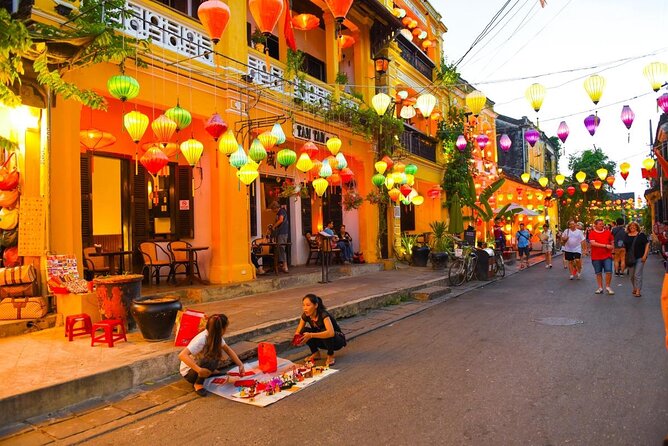
Hoi An is easy to admire and surprisingly easy to misunderstand. The lanterns, old shop houses, and riverside streets are photogenic, but the city makes more sense when you connect its food to its trading past and mixed cultural identity.
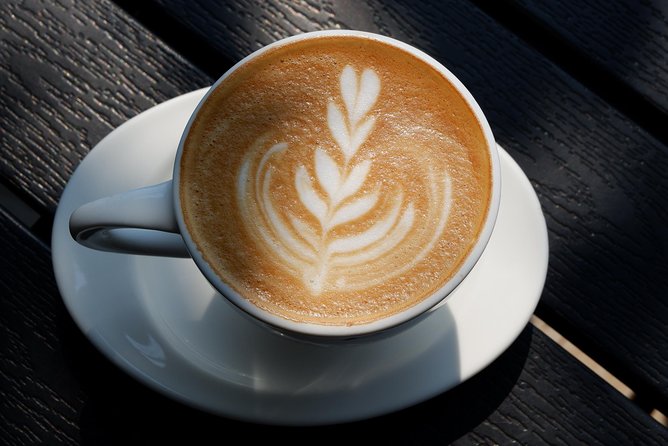
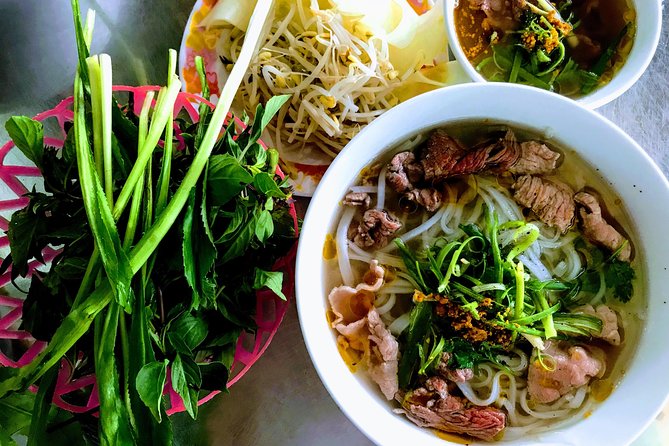
This tour starts with local breakfast street food. That matters because morning dishes give you a look at ordinary Hoi An life, not just the foods prepared for evening visitors. One experience described beginning with pho at about 8:30 a.m., followed by more food and coffee. Black sesame soup and Vietnamese coffee are also mentioned as memorable parts of the food selection.
You should arrive hungry, but not recklessly so. Food is served throughout the route, and the portions may add up quickly. If you have a small appetite, tell your guide early. The tour includes food and drinks listed in the price, along with water, so you are not expected to keep paying at every stop.
The timing also makes sense for Hoi An’s climate. A morning walk is generally easier than a midday circuit through the old town, though the exact start time should be confirmed when you book. The tour is advertised as approximately four hours, giving you enough time to eat, walk, ask questions, and take photographs without treating every stop like a race.
More street food walks in Hoi An:
- Evening Walking Food Tour, folk game and lantern boat
★ 5.0 · 665 reviews - Hoi An at Sunset: Authentic Local Street Food Tour
★ 4.5 · 329 reviews - Hoi An Street Food Walking Tour with Tastings
★ 5.0 · 317 reviews
Walking through the Japanese Covered Bridge
The Japanese Covered Bridge is one of Hoi An’s signature sights, but a quick photograph does not explain why it matters. Its design reflects the city’s links with Japanese merchants, while the surrounding old town shows how Chinese and Vietnamese influences became part of the same streetscape.
Your guide helps turn the bridge from a photo stop into a piece of the city’s story. You can look closely at the roofline, supporting structure, and nearby buildings while learning how Hoi An developed as a trading port. The setting is compact, so the value comes from explanation and observation rather than distance covered.
This is also one of the tour’s better photography opportunities. The bridge and nearby lanes offer strong details at close range, especially if you enjoy doorways, roof tiles, carved wood, and faded facades. Bring a phone or camera with enough battery. The itinerary specifically allows time for photographs, and you will likely want more than a single quick snapshot.
Admission costs need attention here. The tour information lists a $6 city admission fee and a separate $6 Hoi An Ancient Town admission fee, both outside the $37 price. Because the wording does not explain exactly when each fee applies, ask the operator which charges you should expect before arrival.
Chinese Assembly Halls and the city’s mixed design
Hoi An’s character comes from layers rather than one single architectural style. Chinese Assembly Halls, Japanese details, Vietnamese homes, and former commercial buildings sit close together. You do not need to be an architecture specialist to enjoy this, but a guide makes the differences easier to spot.
The assembly halls are useful stops because they show the role of Chinese communities in Hoi An’s commercial and social life. Look for decorative details and the arrangement of courtyards or worship spaces. Your guide can also explain how these buildings differ from the narrow merchant houses nearby.
I like this part of the route because it slows down the food experience. You are not simply moving from one snack to the next. You are seeing the physical setting in which Hoi An’s cuisine developed, shaped by trade, migration, and local ingredients.
The tour is described as a leisurely stroll, but old town walking still means time on foot over several hours. Comfortable shoes are sensible. The tour does not include hotel pickup or drop-off, so you must reach Hoachampa Coffee & Tea at 43 Đ. Phan Chu Trinh in Minh An on your own.
Hoi An Central Market and local food finds
The market is where the tour becomes most useful for independent eating later. You can see how food is sold, notice ingredients you may not recognize, and learn which dishes are common in local life rather than simply famous with visitors.
The route includes food stops favored by local residents. Exact dishes can vary, so I would not book this expecting a fixed tasting menu. The supplied details point to local breakfast foods, pho, coffee, black sesame soup, and other typical Hoi An specialties. Your guide may adjust the order or selection based on availability and the pace of the group.
That flexibility is a strength, but it also explains why some people may feel the experience is more city tour than food tour. If your priority is sampling a long list of carefully defined dishes, ask how many tastings are included on your date. If you want to understand Hoi An while eating along the way, the combination should suit you better.
The market can also be a good place to ask practical questions about ingredients. Mention allergies, dietary restrictions, or foods you cannot eat before the first stop. The published information does not promise vegetarian, vegan, halal, or allergy-specific arrangements, so you should confirm those needs before booking.
More food tours in Hoi An:
- Hoi An: My Son Sanctuary Early Morning w. Champa Food Brunch
★ 4.9 · 2,750 reviews - Early Morning My Son Sanctuary Trip w. Champa Food & Coffee
★ 5.0 · 629 reviews - Hoi An Countryside Jeep Tour: Food, Culture & Daily Life
★ 5.0 · 414 reviews - Hoi An Countryside Vespa Tour: Food, Culture & Daily Life
★ 5.0 · 406 reviews
Handicrafts, silk, and cultural details along the way

The route includes handicraft making, adding a useful break from eating and sightseeing. One version of the experience has included watching silk being made, and some tours have also included cultural dancers. These details are not described as guaranteed stops for every departure, so treat them as possible elements rather than fixed promises.
If silk production is included, it gives you a closer look at the skill behind one of Hoi An’s well-known crafts. Seeing a process is more informative than passing a shop window filled with finished goods. It may also help you judge the quality and price of silk products later, though shopping is not presented as the purpose of the tour.
The cultural elements make the route feel connected to Hoi An rather than assembled from unrelated attractions. Still, the four-hour schedule has limits. You should expect brief visits and demonstrations, not a full workshop or extended performance.
Guides are important here. Kim has been described as combining food with history, while Jackie has been praised for keeping the route engaging and explaining the city clearly. Emma and Tin Tin are also named as guides who have handled cultural questions and old town visits well. Guide assignments can change, but the repeated emphasis on personal guiding suggests that the quality of the experience depends heavily on who leads your group.
The foot massage is a smart finish
After several food stops and a city walk, a 15-minute foot massage is a practical ending. It is not a long spa treatment, and you should not book the tour expecting one. Think of it as a short pause to rest your feet before returning to the old town.
This final stop gives the experience a pleasant rhythm. You eat, walk, look, listen, and then sit down. For a first morning in Hoi An, that balance is appealing, particularly if you are still adjusting to the heat or have spent the previous day arriving in Vietnam.
The massage also helps distinguish this experience from a basic market walk. It adds a small comfort that costs little time. The tradeoff is that those 15 minutes could otherwise be used for another tasting or a longer visit at an attraction. For most people, the rest will probably feel worthwhile after four hours on foot.
What $37 really gets you
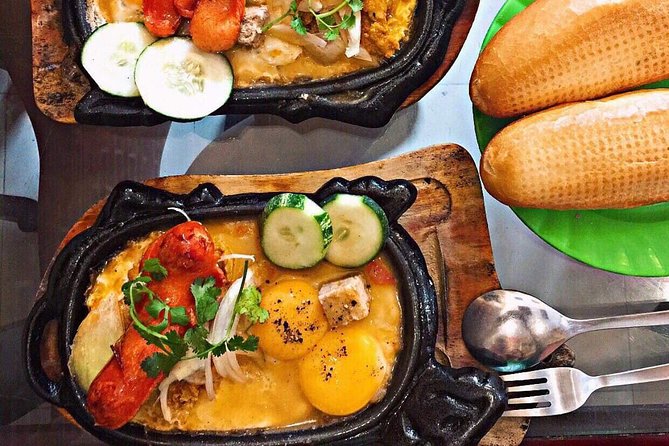
At $37 per person, the tour is not the cheapest way to eat in Hoi An. You can buy individual street foods for far less. The value comes from having a guide connect the dishes, landmarks, architecture, and local customs in one compact morning.
The price includes an English-speaking guide, all food and drinks listed for the route, and water. That makes budgeting easier than an informal food crawl where each stop comes out of your pocket. It also reduces the risk of ordering a dish without knowing what it is or how it fits into local food culture.
The advertised group limit of 12 is another part of the value. That is small enough for questions and conversation, though it is not a private tour. Some departures may be much smaller. One described experience had only two people, which would allow a more personal pace and easier discussion.
You must add the listed admission charges to your calculation. The information gives $6 for Hoi An city and $6 for Hoi An Ancient Town, but it does not clarify whether both apply to every booking. Tips are also excluded, as are transfers from your hotel.
For a first visit, I think the price is fair if you value orientation and guidance. If you already know Hoi An well and simply want inexpensive snacks, exploring on your own will cost less.
Who should book this Hoi An food tour
I would recommend this experience to you if you are visiting Hoi An for the first time and want to understand the old town quickly. It is especially useful during your first few days, when a guide can show you where to eat and help you recognize important streets and buildings later.
It suits curious eaters who are willing to try unfamiliar local dishes. It also works for families, including those with teenagers, provided everyone is comfortable walking and sampling food at a steady pace.
You may want another option if you prefer a strictly food-focused crawl with a published dish-by-dish menu. The route gives real attention to architecture and culture, and the food is part of a broader introduction to the city.
You should also consider the pace and meeting point. There is no included pickup or drop-off, and you must begin and finish at Hoachampa Coffee & Tea. Anyone needing a highly customized route should ask about private arrangements through the provider, which also offers private day tours.
Book it or skip it?
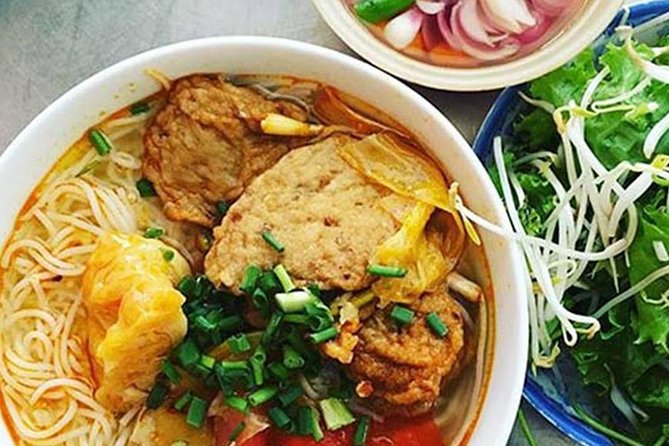
Book this tour if you want a well-rounded first look at Hoi An: breakfast foods, old town landmarks, Chinese and Japanese architectural influences, craft traditions, and a foot massage in one half-day outing. The strongest reasons are the small group, included food and drinks, and guides such as Kim, Jackie, Emma, Tin Tin, and Ms. Thuy who are associated with warm, informative guiding.
Skip it if your only goal is to eat as many dishes as possible or if you dislike walking between cultural stops. Before paying, confirm the exact food menu, start time, admission charges, and any dietary arrangements. You can cancel for a full refund up to 24 hours before the start time, but late cancellations and changes are not accepted.
FAQ
How long does the Hoi An city and food tour last?
The experience lasts approximately four hours.
Where does the tour start?
It starts at Hoachampa Coffee & Tea, 43 Đ. Phan Chu Trinh, Minh An, Hoi An, Quang Nam, Vietnam.
Where does the tour end?
The tour ends back at the same meeting point.
Is hotel pickup included?
No. Pickup and drop-off service are not included.
How many people can join the tour?
The maximum group size is 12 people.
Is the tour conducted in English?
Yes. An English-speaking guide is included.
What food is included?
Food and drink items listed for the route are included. The experience focuses on Hoi An breakfast street food and local delicacies, with pho, coffee, and black sesame soup mentioned as examples.
Is water provided?
Yes. Water is included.
Are entrance fees included in the $37 price?
No. The information lists a $6 Hoi An city admission fee and a $6 Hoi An Ancient Town admission fee separately from the tour price.
Is the foot massage included?
Yes. The itinerary includes a 15-minute foot massage at the end of the experience.
Can I cancel for a full refund?
Yes. You must cancel at least 24 hours before the experience start time for a full refund. Cancellations or changes made less than 24 hours beforehand are not accepted.
Just added around Hoi An
- Hoian Old Town – Immersive Free Walking Tour★ 4.3 · 3 reviews
- Da Nang to Hoi An Transfer: Convenient Airport and City Transport★ 3.5 · 3 reviews
- Hoi An City Tour–Boat Ride–Release Flower Lantern on river★ 5.0 · 3 reviews
- Hoi An to Nha Trang by Private Car with Professional Driver★ 5.0 · 3 reviews
- Hoi An: Pottery Making Workshop With Local Craftsmen★ 5.0 · 3 reviews
- Hoi An:Cycling,Traditional Farming & Fishing Life Experience★ 4.0 · 3 reviews
- My Son Half Day Private Tour From Hoi An★ 4.5 · 3 reviews
- Hoi An/ Da Nang: Hue City Tour with HaiVan Pass★ 4.7 · 3 reviews
Hoi An Street Food Tours, compared.
Evening Walking Food Tour, folk game and lantern boat
Read our review →
Hoi An at Sunset: Authentic Local Street Food Tour
Read our review →
Cook Like a Local: Your Personalized Vietnamese Culinary Journey
Read our review →
Hoi An Night Market – Ancient Town street food tours by Night
Read our review →
Hoi An Ancient Town – Night Market Street Food Tours By Night
Read our review →
Hoi An Vespa Food Tour: Authentic & Exotic Food Culture
Read our review →Browse the lists this tour appears in