
Reviewed · LANTERN MAKING WORKSHOPS
Hoi An: Silk Process, Lantern Making Workshop & Local Food
Hoi An’s silk story is easiest to understand when you see it happen step by step. At Hoi An Silk Village, you follow the thread from mulberry leaves and silkworm cocoons to handwoven cloth, then switch gears and make a colorful lantern of your own.
I especially like the hands-on lantern class and the chance to see how silk is unraveled, spun, and woven rather than simply browsing finished scarves. The included Cao Lau, fried spring rolls, and fruit also turn this into more than a craft demonstration. The main consideration is communication: guide Thu earned warm praise for her kindness and clear explanations, but one guest found another guide’s English pronunciation difficult to follow.
In This Review
- Key points at a glance
- Following one silk thread through Hoi An
- Mulberry gardens and the silkworm-breeding house
- Unraveling cocoons into silk thread
- Champa textiles and the handloom tradition
- Learning to spot pure silk at the exhibition
- Making a Hoi An lantern from supplied materials
- A simple Hoi An meal to finish the visit
- Guide quality and the importance of clear English
- Is $22 a fair price?
- Timing, meeting point, and who should book
- Should you book this silk and lantern workshop?
- FAQ
- Where does the Hoi An silk and lantern activity meet?
- How long does the experience last?
- What language is the tour conducted in?
- Is hotel pickup included?
- What silk-production stages will I see?
- Can I make a lantern during the activity?
- What food is included?
- Can the food suit dietary requirements?
- Is the experience suitable for wheelchair users?
- What happens if I book on a Vietnamese public holiday?
- Can I cancel for a refund?
- What is included in the $22 price?
Key points at a glance
- See the full silk chain: Visit mulberry gardens, the silkworm-breeding house, cocoon-unraveling area, and weaving house.
- Make a souvenir: Each person creates one lantern and takes it home.
- Learn the silk test: The exhibition explains how pure silk differs from imitation fabric.
- Taste Hoi An classics: The meal includes Cao Lau, deep-fried spring rolls, and fruit.
- Good value at $22: The price covers admission, guide, materials, lantern, welcome drink, and meal.
- Plan for a fixed meeting point: You meet at 28 Nguyen Tat Thanh Street, with no hotel pickup or drop-off.
Following one silk thread through Hoi An
This 150-minute experience links several small lessons into one useful picture of Hoi An craft. You begin with the land and the people who care for silkworms, then move through the technical work of turning cocoons into thread and thread into fabric.
That order matters. A shop visit can show you a polished scarf, but it rarely explains how much work came before the sale. Here, you see the stages in sequence and can ask questions along the way.
The setting adds interest. The silk village includes a traditional house in Quang Nam, old-style buildings, greenery, mulberry gardens, and working areas connected to silk production. One guest described the village as beautiful, with traditional buildings and a calm, green setting. The experience is still a structured activity, not a free wander, but it gives the craft a physical setting instead of presenting it as a museum display.
The village also preserves handmade silk-weaving methods linked with the Champa and Dai Viet eras. You do not need specialist knowledge to enjoy this, but the historical link helps explain why silk remains such an important part of Hoi An’s identity.
More lantern making workshops in Hoi An:
- Hoi An: Vietnamese Foldable Lantern Making Class
★ 4.9 · 3,742 reviews - Hoi An Full Lantern Making Class- A special Foldable lantern
★ 5.0 · 2,007 reviews - The Lantern Lady: Traditional Lantern Class in Old Town
★ 4.9 · 444 reviews
Mulberry gardens and the silkworm-breeding house
Your first substantial stop is the traditional house, where the guide introduces sericulture, the practice of raising silkworms for silk. You then visit the ancient mulberry gardens and the breeding house to learn how silkworms are fed.
This is one of the most useful parts for families and curious shoppers. Silk can seem like a simple luxury product until you see the living process behind it. The tour connects the plant, the insect, and the final garment in a way that makes the material easier to understand.
The information provided for the village also points to its value as a source of mulberry genetics. That gives the garden more importance than a decorative patch of greenery. It is part of the agricultural foundation needed to keep traditional silk production going.
The pace is fairly brisk because the entire activity lasts two and a half hours. You should expect short explanations at each stop rather than a long classroom lecture. If you have specific questions, ask them early. The experience works best when you take an active role instead of simply walking behind the guide.
Unraveling cocoons into silk thread
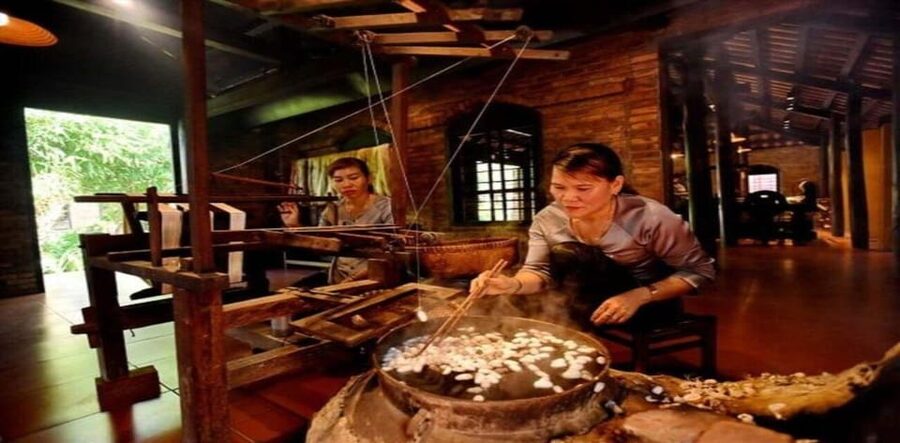
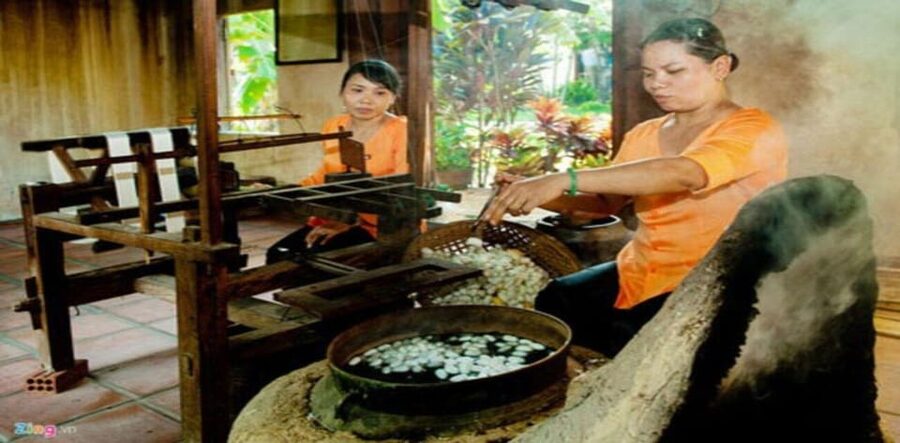
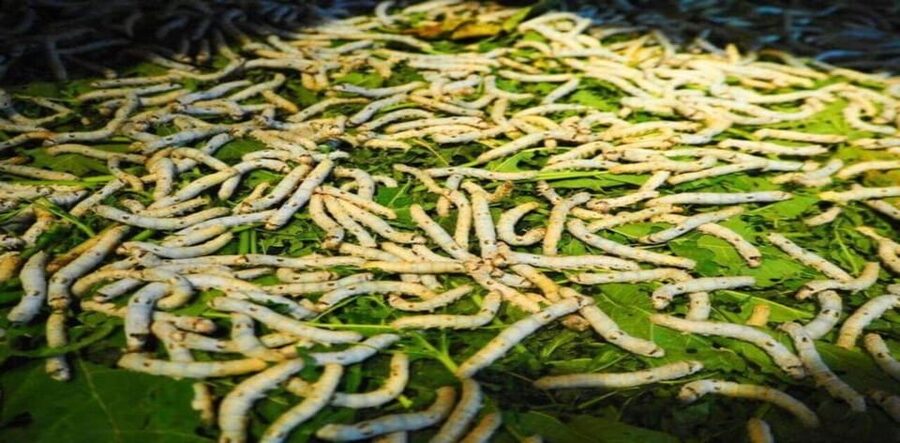
At the unraveling house, you see how silk thread is drawn from the cocoon. This is the point where the process becomes especially clear: the cocoon is not just a finished object, but the source of the fine thread used for weaving.
The attraction here is the connection between an ordinary-looking cocoon and a smooth, valuable fabric. You learn how traditional methods remove the thread and prepare it for the loom. That practical link is more memorable than a general explanation about silk production.
This section also helps you judge finished products with a more critical eye. At the silk exhibition later in the visit, you can apply what you have learned when comparing pure silk with imitation fabric.
Keep your expectations sensible. The activity promises an explanation and demonstration of the process, not a long period of operating every piece of equipment yourself. The most rewarding part is seeing the stages and understanding how they fit together.
Champa textiles and the handloom tradition
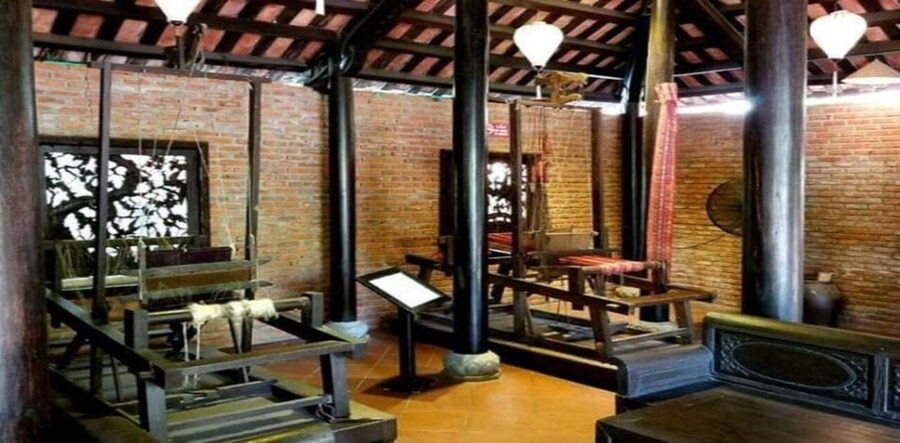
The weaving house shifts the focus from raw material to finished cloth. Here, you learn how silk thread becomes fabric through handmade weaving methods and see handicrafts associated with the Champa people.
The Champa connection gives the visit a wider cultural frame. Hoi An silk is not only about buying a soft scarf. It also reflects older textile traditions and the exchange of techniques across central Vietnam.
I like this section because it helps you notice the difference between a machine-made product and a handmade textile. The description does not promise that you will weave an entire piece of cloth yourself, so expect to watch and learn rather than produce a full garment during the visit.
The tour presents traditional Vietnamese silk garments and explains how they are constructed. That makes the session useful if you are considering a scarf, clothing, or fabric purchase later in Hoi An. You will have more context for the price and quality than you would get from a quick shop visit.
More street food walks in Hoi An:
- Evening Walking Food Tour, folk game and lantern boat
★ 5.0 · 665 reviews - Hoi An at Sunset: Authentic Local Street Food Tour
★ 4.5 · 329 reviews - Hoi An Street Food Walking Tour with Tastings
★ 5.0 · 317 reviews - Hoi An street food tour with Billy
★ 5.0 · 273 reviews
Learning to spot pure silk at the exhibition
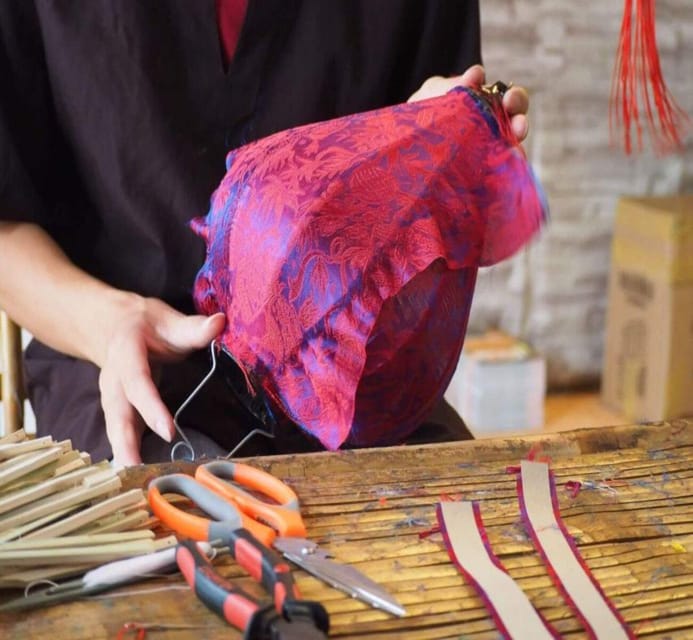
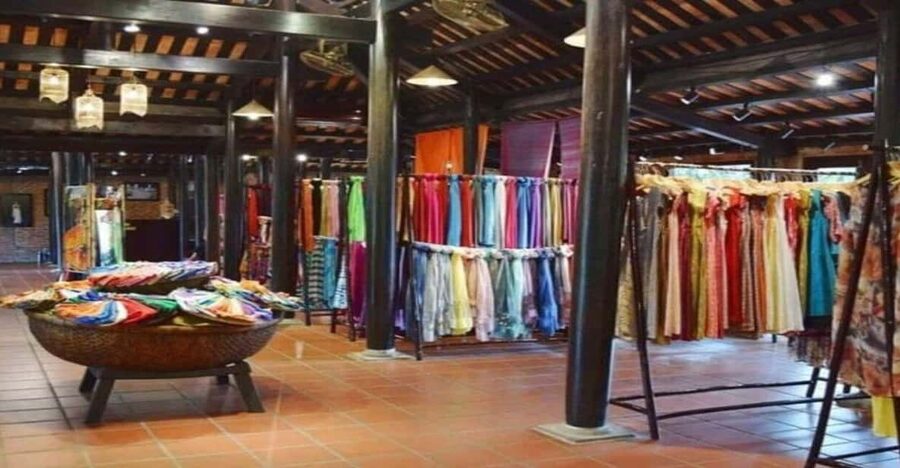
The silk exhibition is the most commercial stop, but it has a practical purpose. You learn the difference between pure silk and fake silk fabric, then see a range of silk products that may suit shopping or tailoring.
This is where the $22 price can pay off for shoppers. A silk purchase can be difficult to judge when you do not know the material, and the short lesson gives you a better basis for comparing products around town.
One guest bought a scarf that felt distinctive compared with the usual choices in Hoi An. That detail is useful if you want a souvenir with a little more character than a standard market purchase. You are not required to buy anything, and personal spending is not included.
Approach the exhibition as a lesson first and a shop second. The tour includes the chance to browse, but you should not treat the purchase opportunity as part of the paid value. The real value is learning what you are looking at before you decide to spend more.
Making a Hoi An lantern from supplied materials
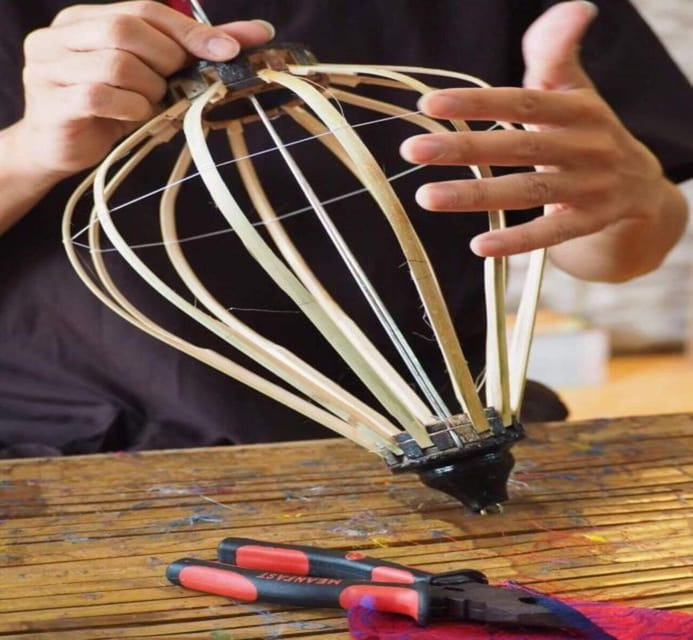
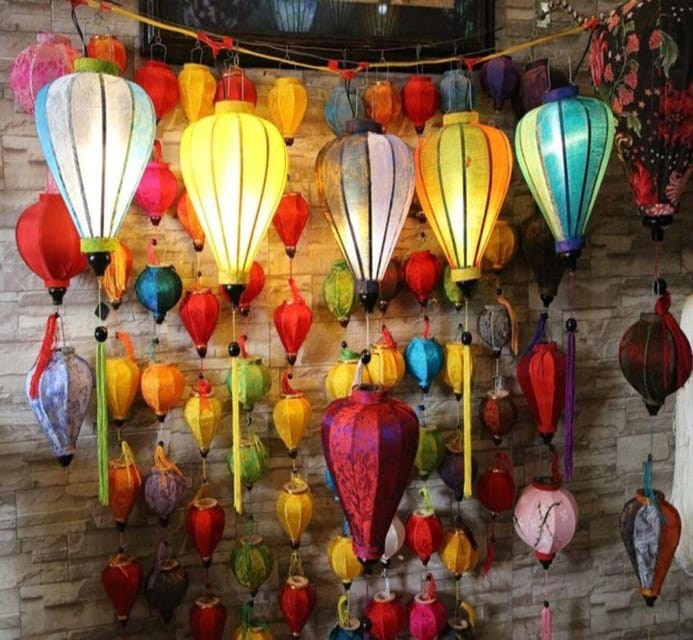
After the silk portion, you turn to one of Hoi An’s most recognizable crafts: the lantern. The guide gives a brief introduction to lantern history, shapes, colors, and the stages involved in making one.
You then make your own lantern, with the necessary materials and tools supplied. One lantern per person is included, so you take home an actual object rather than only a photograph or a certificate.
This is a smart change of pace. Silk production involves watching skilled work, while the lantern session lets you do something with your hands. I particularly like this part for friends traveling together, since everyone can make a personal souvenir during the same short class.
The finished item is described as a lantern souvenir, but the information does not specify its exact size, shape, color choices, or how much individual design freedom you get. It is best to expect a guided craft activity with prepared materials, not an open-ended artisan course.
The lesson also ties the object to Hoi An culture. Lanterns are now closely associated with the town, and learning about their shapes and colors gives you more context when you see them around the old town.
A simple Hoi An meal to finish the visit
The food stop includes a welcome drink at the start and a meal near the end. The meal consists of Cao Lau, deep-fried spring rolls, and a fruit plate.
Cao Lau is one of Hoi An’s signature dishes, so this is a fitting finish rather than a random snack. The portion and restaurant details are not specified, but the included meal adds real value to a short paid activity. You do not have to arrange a separate lunch or leave the village hungry.
Food ingredients can be adapted for vegan, vegetarian, gluten-free, or allergy-related needs. Tell the operator about your requirements when booking or before the meal, and confirm the arrangement with the guide at the start.
The meal is not the reason to choose the experience, but it makes the schedule feel complete. You get a cultural lesson, a craft project, and a local dish in one compact outing.
Guide quality and the importance of clear English
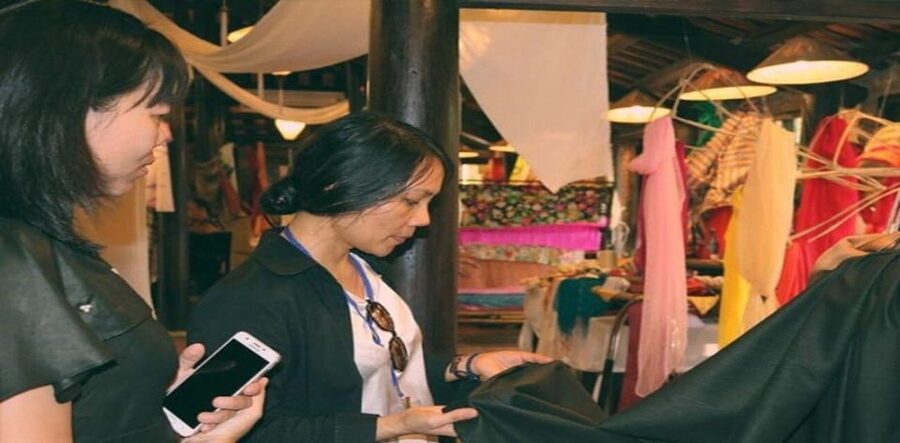
The experience includes a live English-speaking guide. The strongest personal praise went to Thu, who was described as sweet, kind, and well informed, with clear help on the silk process and fabric identification.
That matters here because the value depends on explanation. Without a clear guide, the village could become a series of quick stops with unfamiliar tools and terms. With a good guide, you understand why the mulberry garden matters, how the cocoon becomes thread, and what separates real silk from imitation cloth.
There is one fair caution. One guest found a guide friendly and eager to help but had trouble understanding the pronunciation. If you have detailed questions about textile methods, ask the guide to repeat or demonstrate the point. The experience has earned a strong overall score of 4.6 from seven ratings, but guide clarity can vary.
Is $22 a fair price?
At $22 per person, the package covers the English-speaking guide, entrance fee, welcome drink, meal, one lantern, and all lantern-making materials and tools.
That is good value if you want several connected activities without arranging them separately. Admission and food already account for part of the cost, while the lantern gives you a physical souvenir you make yourself. The silk lesson also has more practical use than a purely scenic stop because it helps with later fabric shopping.
The price is less compelling if you only want to buy silk or only want a lantern class. You would be paying for both sections, plus the meal and village visit. For most first-time visitors who want a compact introduction to local crafts, the combination makes sense.
Vietnamese public holidays cost 50 percent extra per person, payable in cash. Factor that into your budget if your visit falls on one of those dates.
Timing, meeting point, and who should book
The activity lasts 150 minutes and begins at Hoi An Silk Village, 28 Nguyen Tat Thanh Street. Hotel pickup and drop-off are not included, so you need to arrange your own way to the meeting point.
The tour is not suitable for people with mobility impairments or wheelchair users. The provided information does not describe the walking distance, number of steps, or seating at each stop, so ask the operator if you need more detail before booking.
I would recommend this for first-time Hoi An visitors, craft-minded shoppers, families who enjoy short practical activities, and anyone who wants a break from sightseeing in the old town. It also suits a group of friends, since the lantern project gives everyone something personal to work on.
You may prefer another activity if your main goal is a long, advanced textile workshop. This is an introduction covering several stages, not a specialist course in sericulture, weaving, or lantern design.
You can cancel up to 24 hours before the start for a full refund, and the reserve-now, pay-later option keeps your plans flexible. Starting times vary, so check availability before choosing your date.
Should you book this silk and lantern workshop?
Book it if you want a well-priced, compact look at Hoi An craft with food and a take-home project included. The strongest reasons are the full silk-production sequence, the useful lesson on identifying real silk, and the lantern you make yourself.
I would be especially comfortable recommending it to someone who likes to understand what they are buying. You see the mulberry gardens, silkworm care, cocoon unraveling, weaving, and finished fabric before you reach the shopping area. That order gives the products more meaning and helps you make a smarter choice.
Skip it if you dislike scheduled demonstrations, cannot manage a potentially active village visit, or want hotel transport included. Also keep the English-guide caveat in mind if detailed communication is essential to you.
For $22, this is a practical way to connect Hoi An’s silk tradition, lantern culture, and local food in one short outing. If guide Thu leads your visit, you can expect a warm and clear introduction. If not, stay engaged, ask questions, and use the demonstrations to make the most of your time.
FAQ
Where does the Hoi An silk and lantern activity meet?
The meeting point is Hoi An Silk Village at 28 Nguyen Tat Thanh Street in Hoi An.
How long does the experience last?
The activity lasts 150 minutes, or two and a half hours.
What language is the tour conducted in?
The live tour guide speaks English.
Is hotel pickup included?
No. Hotel pickup and drop-off are not included, so you need to reach the silk village yourself.
What silk-production stages will I see?
You visit a traditional house, mulberry gardens, the silkworm-breeding house, the cocoon-unraveling house, the silk-weaving house, and the silk exhibition.
Can I make a lantern during the activity?
Yes. You make one lantern during the class and keep it as a souvenir. Materials and tools are included.
What food is included?
The meal includes Cao Lau, deep-fried spring rolls, and a fruit plate. A welcome drink is also included.
Can the food suit dietary requirements?
Ingredients can be adapted for vegan, vegetarian, gluten-free, or allergy-related needs.
Is the experience suitable for wheelchair users?
No. The activity is not suitable for wheelchair users or people with mobility impairments.
What happens if I book on a Vietnamese public holiday?
The price increases by 50 percent per person, and the additional amount is charged in cash.
Can I cancel for a refund?
Yes. You can cancel up to 24 hours in advance for a full refund.
What is included in the $22 price?
The price includes the English-speaking guide, entrance fee, welcome drink, meal, one lantern per person, and all required lantern-making materials and tools.
More Hands-On Workshops in Hoi An
- Hoi An: Vietnamese Coffee Culture and Coffee Making Class
★ 4.9 · 4,006 reviews - Cooking Class Hoi An:Local Market, Basket Boat, Fishing & Cooking
★ 5.0 · 3,660 reviews - Hoi An Cooking Class(Market,BasketBoat Crabfishing&Cooking Class)
★ 5.0 · 3,386 reviews - From Hoi An: Market Tour, Basket Boat Ride and Cooking Class
★ 4.8 · 2,208 reviews
More Food Tours in Hoi An
- Hoi An: My Son Sanctuary Early Morning w. Champa Food Brunch
★ 4.9 · 2,750 reviews - Early Morning My Son Sanctuary Trip w. Champa Food & Coffee
★ 5.0 · 629 reviews - Hoi An Countryside Jeep Tour: Food, Culture & Daily Life
★ 5.0 · 414 reviews - Hoi An Countryside Vespa Tour: Food, Culture & Daily Life
★ 5.0 · 406 reviews
Just added around Hoi An
- Hoi An City Tour–Boat Ride–Release Flower Lantern on river★ 5.0 · 3 reviews
- Hoian Old Town – Immersive Free Walking Tour★ 4.3 · 3 reviews
- Da Nang to Hoi An Transfer: Convenient Airport and City Transport★ 3.5 · 3 reviews
- Hoi An to Nha Trang by Private Car with Professional Driver★ 5.0 · 3 reviews
- Hoi An: Pottery Making Workshop With Local Craftsmen★ 5.0 · 3 reviews
- Hoi An:Cycling,Traditional Farming & Fishing Life Experience★ 4.0 · 3 reviews
- My Son Half Day Private Tour From Hoi An★ 4.5 · 3 reviews
- Hoi An/ Da Nang: Hue City Tour with HaiVan Pass★ 4.7 · 3 reviews
Lantern Making Workshops, compared.
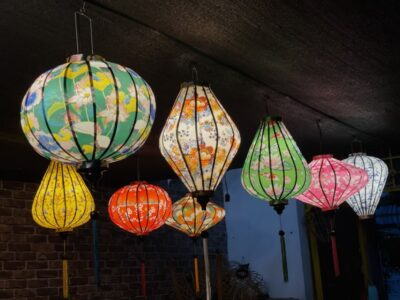
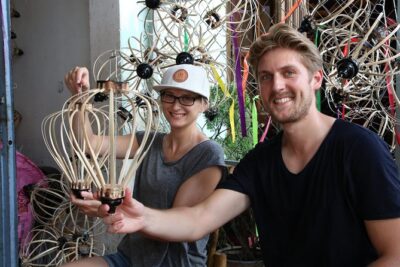
Hoi An Full Lantern Making Class- A special Foldable lantern
Read our review →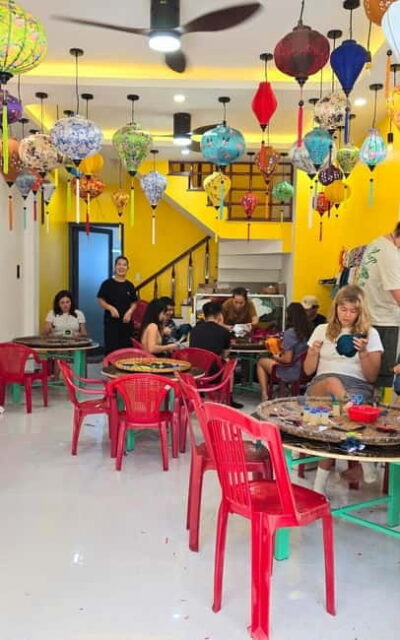
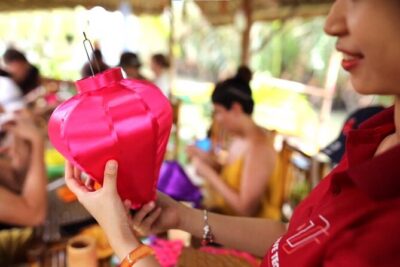
The Lantern Lady: Traditional Lantern Class in Old Town
Read our review →
Cooking Class with Market, Lantern Making, Basket Boat
Read our review →
Express Hoi An Lantern Making Class-Foldable lanterns
Read our review →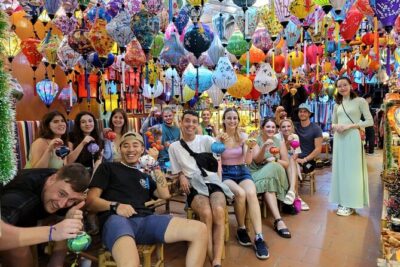
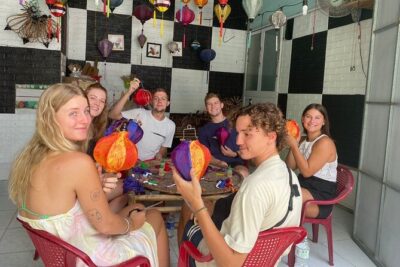
Hoi An Full Lantern Making Class , Basket Boat , Crab Fishing And Food
Read our review →Browse the lists this tour appears in