
Reviewed · EVENING EXPERIENCES
Sunset photo tour with the farmers
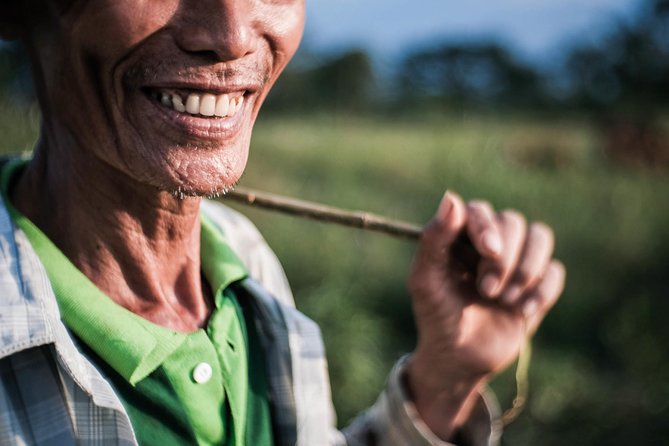
The best part of this Hoi An photo tour is the change of scene: one moment you’re among rice paddies and farmers at work, and a few hours later you’re photographing the old quarter under evening light. The route gives you more than pretty views. It shows you a working side of Hoi An that is easy to miss from the historic center.
I like the small maximum of eight people, which should give you room to ask questions and stop for photos without holding up a large group. I also like that the guides work closely with local farmers, making the countryside visits feel more respectful and personal. The main consideration is timing: the tour starts at 3 pm, and good sunset light depends on the weather. One reported missed pickup also means you should confirm the meeting details before setting out.
In This Review
- Key points at a glance
- From Hoi An streets to open rice paddies
- Learning to photograph people at work
- Photographing a working countryside, not a staged display
- A traditional riverside village with personal access
- Sunset colors and reflections near Hoi An
- From rural light to an old-town night workshop
- What $55 buys you
- Who will get the most from this photo tour
- Practical details before you book
- Should you book it?
- FAQ
- Where does the sunset photo tour start?
- What time does the tour begin?
- How long does the experience last?
- Where does the tour end?
- How many people can join the tour?
- Is the tour suitable for beginner photographers?
- What subjects will I photograph?
- What happens if the weather is poor?
- Can I cancel for a full refund?
Key points at a glance
- Rice fields in late afternoon light: Photograph planting, ploughing, and harvesting as the sun begins to soften.
- Local access through farm relationships: The route enters a traditional riverside village where the guides have built long-term ties with residents.
- Practical help for every camera level: Beginners can learn basic settings, while experienced photographers can work on timing and composition.
- A full four-hour progression: The outing moves from rural scenes to sunset colors and then to a night photography workshop in Hoi An.
- Small-group format: The group is capped at eight, with private options sometimes available if a scheduled group does not fill.
- Good value for focused photo time: At $55 per person, the price makes the most sense if you want instruction as well as transport and scenery.
From Hoi An streets to open rice paddies
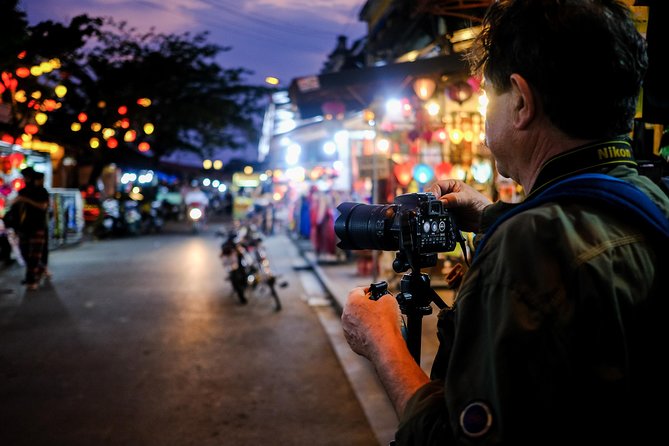
You meet at 42 Đường Phan Bội Châu in Cẩm Châu at 3 pm. From there, the tour takes you out toward the farming villages near Hoi An, where the pace changes quickly. The old town’s shopfronts and traffic give way to open fields, waterways, and workers carrying out the ordinary tasks that keep the area’s farms running.
That contrast is the point. Hoi An is often reduced to lanterns, yellow walls, and tailor shops. This outing gives you a look at the land around the town and the people who work it. You may photograph farmers planting, ploughing, harvesting rice, or tending crops such as peanuts, depending on the season and what is happening that afternoon.
The tour’s photographic value comes from timing. At 3 pm, the light is still useful for showing detail in the fields and clothing. As the afternoon progresses, the warmer light can add shape and color to people working against the paddies. You are not simply being taken to a viewpoint and told to take pictures. You are moving through a working area and looking for moments as they happen.
You should bring patience. Farm work does not perform on schedule, and the exact scenes will vary. That is also what keeps the experience from feeling staged. The guides’ relationships with local farmers are important here, since they help make these encounters more comfortable and appropriate than simply walking into a field with a camera.
A few more Hoi An half-days to weigh up
- Professional Photography Tour Optional Ao Dai Dress in Hoi An
★ 5.0 · 99 reviews - Half-day Hoi An Photo Tour with Lantern Release at Hoai River
★ 5.0 · 18 reviews - MY SON SUNRISE TOUR to avoid Crowds, Take Nice Photos from HOI AN or DANANG CITY
★ 5.0 · 13 reviews
Learning to photograph people at work
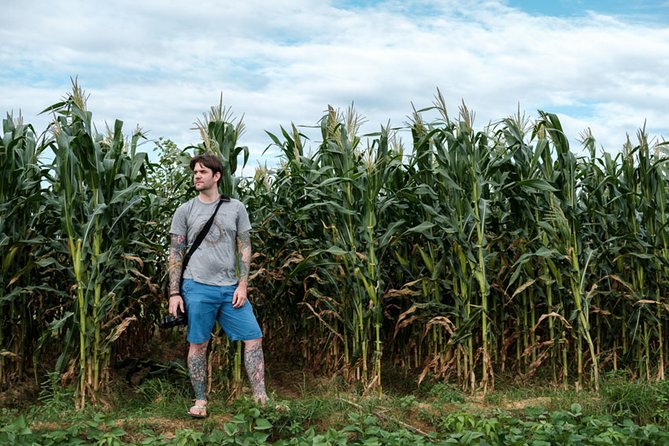
The guides are working photographers, and instruction is a central part of the outing. Jean, Andy, and Etienne are names associated with this experience, and the feedback described by participants ranges from basic camera help to more tailored advice for experienced photographers.
If you are new to photography, you do not need to feel out of place. The instruction can cover the basics and help you set off in the right direction. That might mean paying attention to exposure, focusing on a moving subject, or choosing when to press the shutter instead of taking a rapid series of random shots.
You also get useful lessons that are difficult to learn from a camera manual. A farmer bent over a row of plants is not a static subject. You have to watch the rhythm of the work, keep a respectful distance, and wait for a clear gesture or pleasing arrangement. The guide can help you see those moments before they pass.
If you already use a DSLR or mirrorless camera, the tour can still be worthwhile. One group included cameras ranging from smartphones to DSLRs, so the format is designed for mixed ability. You may get more from advice on composition, natural light, and working with people than from a long technical lecture.
Smartphone users are not treated as second-class photographers here. A phone can handle the warm light, reflections, and colors well, and a small group makes it easier to ask for quick suggestions. If you want detailed instruction on a very specific camera system, it would be sensible to explain your level when booking.
Photographing a working countryside, not a staged display
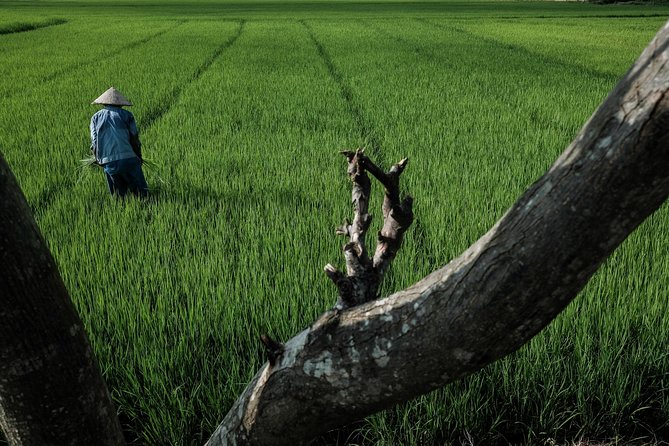
The rural portion is strongest when you treat it as a chance to observe rather than a checklist of pictures. Rice farmers may be planting, ploughing, or harvesting. Peanut farmers may also be at work. These tasks give your images a sense of place because they show how the countryside functions, not just how it looks.
I would pay attention to layers in the frame. A worker in the foreground, a line of plants or water behind, and the low afternoon sun can create a strong image without complicated equipment. Reflections in wet paddies may add another layer, while the open space gives you room to try both close details and wider scenes.
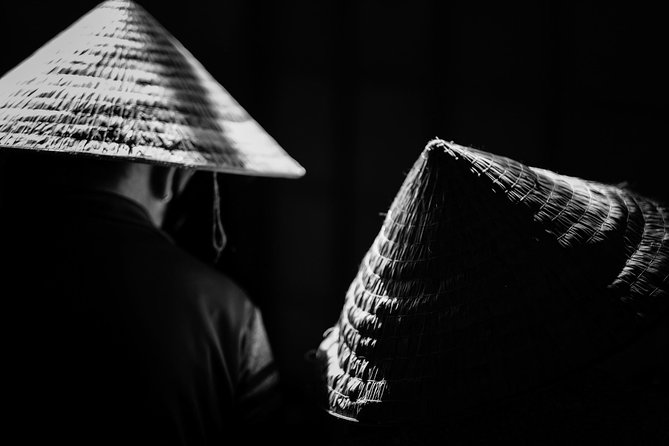
The tour also gives you a reason to slow down. You can photograph hands, tools, hats, rows of crops, and the repeated movement of farm work. Then step back and show the person within the field. The guide’s role is useful because it is easy to focus so tightly on a single subject that you lose the wider story.
Respect matters. You are photographing people who are working, not actors hired for a picture. The established connections with local farmers help, but your own behavior still counts. Follow the guide’s lead, avoid getting in the way, and let a moment pass if the camera would become intrusive.
This part may be less satisfying if you want guaranteed portraits or dramatic action in every frame. The countryside is real, and real work includes pauses, routine, and quiet stretches. For many people, that is precisely the appeal. You get images tied to daily life rather than a polished show prepared for visitors.
A traditional riverside village with personal access
At some point, the route enters a traditional village along the river. The exact stops can vary, but this is presented as a place where the guides have built a strong relationship with local people over time. That connection is more valuable than a quick roadside stop because it can make the visit feel less like an intrusion.
The river setting should give you a different set of subjects from the rice paddies. You may find village lanes, homes, working areas, water reflections, and changing light. The important point is the mix of human activity and surroundings. This is not only a nature photo trip, and it is not only a portrait session.
Jean and Andy have been described as friendly and willing to share stories about the local culture. That kind of conversation adds context to the photographs. You can ask why certain farming tasks happen at particular times or how the village relates to the river, as long as the guide has the answer and the situation allows time for it.
The village stop is also where a small group earns its keep. With no more than eight people, you have a better chance of hearing the guide and finding a comfortable position for a picture. A large crowd would make narrow village spaces harder to manage and could change the mood of the scene.
Same town, a completely different sort of day:
- Hoi An: Basket Boat Ride in the Coconut Forest
★ 4.9 · 4,956 reviews - Hoi An: Vietnamese Coffee Culture and Coffee Making Class
★ 4.9 · 4,006 reviews - Hoi An: Vietnamese Foldable Lantern Making Class
★ 4.9 · 3,742 reviews - Cooking Class Hoi An:Local Market, Basket Boat, Fishing & Cooking
★ 5.0 · 3,660 reviews
Sunset colors and reflections near Hoi An
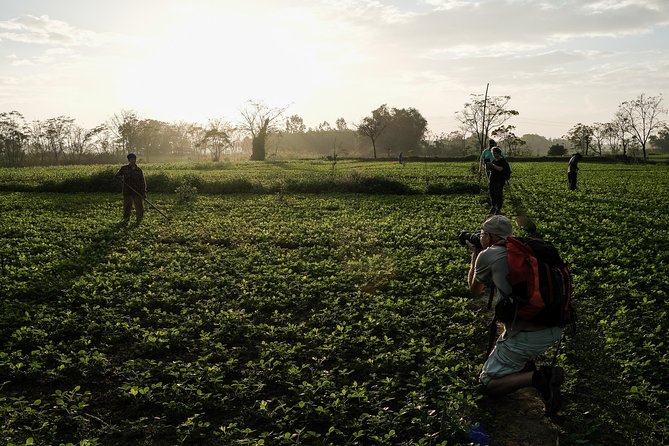
Sunset is the visual hinge of the tour. Hoi An’s late-day light can produce warm colors and reflections, particularly around water and wet fields. You will want to keep checking the scene as the light changes, since the strongest picture may come several minutes after you first arrive.
The guides can help you make practical choices. You might work with a silhouette, expose for the sky, or keep detail in a person working in the field. If you are using a phone, tap carefully on the brightest part of the frame and check the result. If you are using a camera with manual controls, sunset is a good time to practice small adjustments rather than changing everything at once.
Cloud cover is a real factor. A clear evening may give you a clean sunset, while clouds can soften the light or block the color. The tour requires good weather, so poor conditions may lead to a new date or a full refund. That policy is fair, but it also means you should keep some flexibility in your Hoi An schedule.
Do not expect every sunset to look like a postcard. The value is in the changing light over a working area, with people and reflections providing structure. Even a muted evening can be useful for learning how to handle low contrast and subdued color.
From rural light to an old-town night workshop
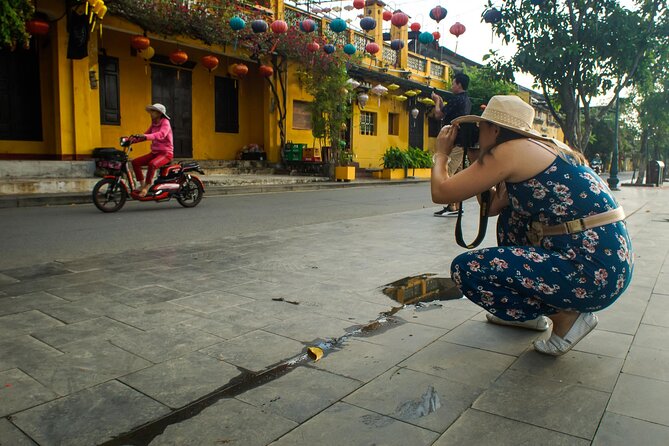
The final part shifts back toward Hoi An’s old quarter for a night photography workshop. This gives the tour a useful second act. You begin with open fields and natural light, then finish among the magical lights of the old town.
Night photography asks different questions. You need to watch for bright lamps, reflections, movement, and areas of shadow. The guide can help you understand how to balance the lights with the darker surroundings. For a beginner, this is a chance to try a new kind of picture with immediate support. For an experienced photographer, it provides a focused session in a familiar but technically tricky setting.
The transition also makes the four-hour duration feel purposeful. This is not four hours spent in one field waiting for sunset. You get countryside, a village along the river, the sunset period, and an evening workshop. The variety is a strength, though it also means the time at each stop may be limited.
If your main goal is a long, slow session with one subject, you may prefer a private photography tour. If you want a broad introduction to Hoi An’s rural and urban photo opportunities, the changing itinerary is better suited to you.
What $55 buys you
The listed price is $55 per person for about four hours. That is a reasonable price if you want a guide who teaches photography, access to farming areas, countryside transport, and a structured route that continues into the old town.
The value depends on your priorities. If you only want transport to the rice fields, the price may feel high compared with arranging a simple ride. You are paying for the guide’s eye, local connections, and help with your camera. The experience is less about ticking off attractions and more about coming away with stronger pictures and a better understanding of how to find them.
The small-group limit of eight improves that calculation. Personal attention is not guaranteed at every minute, but it is more likely in a group this size than on a large coach tour. A private option has also been arranged in some cases when group numbers were too low, and solo participants have found that format especially useful. Ask about the available format if individual instruction matters to you.
The tour is booked an average of 47 days ahead, which suggests you should not leave it until the last few days of a short Hoi An visit. Confirmation is sent within 48 hours, subject to availability. The tour ends back at the meeting point, so plan your evening from there.
Who will get the most from this photo tour
I would recommend this experience to beginners who want practical help without feeling embarrassed about their equipment. The guidance is meant for all levels, and the mix of phones, basic cameras, and DSLRs fits a relaxed learning environment.
It also suits photographers who already know their camera but want access to rural subjects and local guidance. You can concentrate on timing, people, reflections, and light instead of spending your afternoon trying to work out where to go.
Couples and small groups of friends may like the balance between instruction and sightseeing. You do not have to be a serious photographer to enjoy the farm scenes, river village, and old-town lights. Still, you should be willing to spend much of the outing stopping, watching, and making pictures.
This is less suitable if you dislike variable plans or depend on a specific shot. Farm activity, sunset color, and weather cannot be guaranteed. It is also not the best choice for someone who wants a purely historical walking tour of Hoi An, since the focus is photography and countryside access.
Practical details before you book
The start point is 42 Đường Phan Bội Châu, Cẩm Châu, Hội An, Quảng Nam 564070, Vietnam. The activity begins at 3 pm and returns to that same meeting point. It is near public transportation, and most people can participate.
The mobile ticket is convenient, but I would keep the booking confirmation and meeting address easy to reach on your phone. Because one reported outing had a pickup failure after the driver’s motorbike accident and broken smartphone, confirming the meeting arrangement in advance is a sensible precaution. That appears to be an unusual problem, not the normal plan, but it is worth guarding against.
The group maximum is eight. Confirmation arrives within 48 hours if space is available. You can cancel for a full refund up to 24 hours before the start time. Changes or cancellations inside that window are not accepted for a refund, and the local cut-off time applies.
Poor weather can cancel the tour, in which case you are offered another date or a full refund. The same applies if the minimum number of participants is not reached, with the option of another date or experience.
Should you book it?
Book this tour if you want to photograph Hoi An beyond the famous old-town streets, and if you value instruction from a working photographer. The strongest reasons are the small group, the local farm connections, and the unusual progression from rice fields to riverside village to night photography.
At $55, I see it as good value for a visitor who wants both access and coaching. Beginners should feel welcome, while experienced photographers can use the afternoon to work on people, movement, reflections, and changing light.
I would skip it only if you need a guaranteed sunset, a fixed subject, or a completely private session. If the date matters, book well ahead and confirm the meeting details. For most people who want a thoughtful, camera-focused look at Hoi An’s countryside, this is a well-balanced half-day outing.
FAQ
Where does the sunset photo tour start?
It starts at 42 Đường Phan Bội Châu, Cẩm Châu, Hội An, Quảng Nam 564070, Vietnam.
What time does the tour begin?
The tour starts at 3 pm.
How long does the experience last?
It lasts approximately four hours.
Where does the tour end?
The activity ends back at the meeting point.
How many people can join the tour?
The maximum group size is eight people.
Is the tour suitable for beginner photographers?
Yes. The experience is designed for all photography levels, and beginners can receive help with basic photography.
What subjects will I photograph?
You may photograph farmers planting, ploughing, or harvesting rice, as well as peanut farmers and other rural scenes. The tour also includes a traditional village along the river and night photography in Hoi An’s old town.
What happens if the weather is poor?
If poor weather causes the tour to be canceled, you are offered a different date or a full refund.
Can I cancel for a full refund?
Yes. You can cancel at least 24 hours before the start time for a full refund. Cancellations and changes made less than 24 hours before the start time are not accepted for a refund.
Just added around Hoi An
- Da Nang to Hoi An Transfer: Convenient Airport and City Transport★ 3.5 · 3 reviews
- Hoi An City Tour–Boat Ride–Release Flower Lantern on river★ 5.0 · 3 reviews
- Hoian Old Town – Immersive Free Walking Tour★ 4.3 · 3 reviews
- Hoi An to Nha Trang by Private Car with Professional Driver★ 5.0 · 3 reviews
- Hoi An: Pottery Making Workshop With Local Craftsmen★ 5.0 · 3 reviews
- Hoi An:Cycling,Traditional Farming & Fishing Life Experience★ 4.0 · 3 reviews
- My Son Half Day Private Tour From Hoi An★ 4.5 · 3 reviews
- Hoi An/ Da Nang: Hue City Tour with HaiVan Pass★ 4.7 · 3 reviews
Evening Experiences, compared.
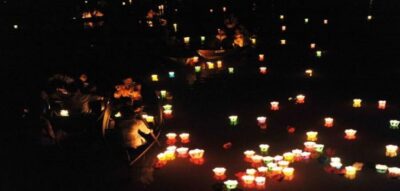
Hoai River Boat Trip by Night and Floating Lantern
Read our review →
Evening Walking Food Tour, folk game and lantern boat
Read our review →
My Son Sanctuary & Sunset River Cruise BBQ or Banhmi
Read our review →
Hoi An at Sunset: Authentic Local Street Food Tour
Read our review →

Hoi An Night Market – Ancient Town street food tours by Night
Read our review →Browse the lists this tour appears in