
Reviewed · VIETNAMESE COFFEE EXPERIENCES
Vietnamese Culture and Coffee Making Class
Vietnamese coffee is not just a morning drink. It is slow, sweet, strong, and closely tied to daily life. In this two-hour class in Hoi An, you make five different cups, including Hue salt coffee, fresh coconut coffee, and Hanoi egg coffee, then learn why each one belongs to a different part of Vietnam.
I like two things right away: you do the work yourself, and you leave with a phin filter plus recipes you can use at home. The family-run team, including Linh in some sessions, keeps the class lively with jokes and easy instructions. The main caution is simple: five Vietnamese coffees can mean a serious caffeine hit, so sip slowly rather than treating every cup as a race.
In This Review
- Key things to know before booking
- Starting at 10C Ba Trieu in Hoi An
- The phin filter and Vietnam’s coffee story
- Cup one: traditional Vietnamese black coffee
- Cup two: Vietnamese happy white coffee
- Cup three: Hue Imperial salt coffee
- Cup four: Hoi An fresh coconut coffee
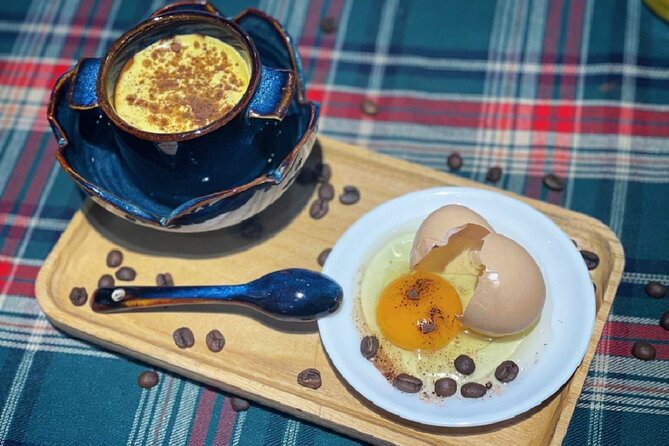
- Cup five: Hanoi capital egg coffee
- What the two-hour pace feels like
- The caffeine question matters
- What you take home
- Value at $15.39 per person
- Who should book this Hoi An class
- Should you book the Vietnamese Culture and Coffee Making Class?
- FAQ
- Where does the coffee-making class begin and end?
- How long does the Vietnamese coffee class last?
- How many types of coffee will I make?
- Is hotel pickup included?
- Is the class taught in English?
- What do I take home after the class?
- Can I cancel for a full refund?
Key things to know before booking
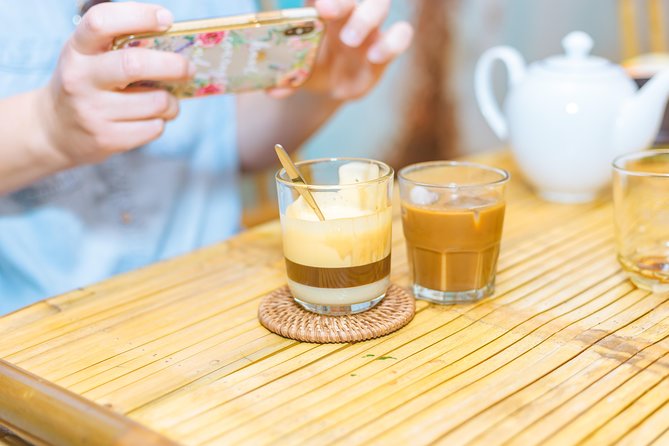
- Five distinct coffee styles: Make traditional black coffee, happy white coffee, Hue Imperial salt coffee, Hoi An coconut coffee, and Hanoi egg coffee.
- A hands-on class: You grind or prepare ingredients, use the Vietnamese phin filter, and build each drink yourself.
- A short lesson in history: Learn how French colonization influenced Vietnam’s coffee habits and why Vietnamese coffee tastes different from coffee in many other countries.
- Useful take-home items: The class includes a Vietnamese phin filter, coffee-making tools, and recipes for recreating the drinks.
- Small-group setting: The maximum group size is 10 people, though a quiet session may sometimes feel almost private.
- Good value at $15.39: For two hours, five drinks, instruction, equipment, recipes, and a take-home filter, the price is modest.
Starting at 10C Ba Trieu in Hoi An
The class begins at 10C Bà Triệu, in Hoi An’s Cẩm Phổ area, and finishes at the same place. There is no hotel pickup or drop-off, so you will need to make your own way there and back.
That fixed meeting point keeps the price low and makes the experience easy to fit around other Hoi An plans. You could schedule it before a walk through the Old Town, after breakfast, or during the hottest part of the day when a seated activity makes sense. The meeting point is near public transportation, and the class is limited to 10 people.
A small group matters here. Coffee preparation involves watching a demonstration, asking questions, handling ingredients, and tasting the result. With fewer people, you should have a better chance to follow each step instead of simply watching someone else make the drinks.
The class is suitable for most people, and service animals are allowed. The activity requires good weather, so poor conditions may lead to a new date or a full refund. The information provided does not list a specific age limit, mobility restriction, or dress requirement.
More Vietnamese coffee sessions in Hoi An:
- Hoi An: Vietnamese Coffee Culture and Coffee Making Class
★ 4.9 · 4,006 reviews - Hoi An: Vietnamese Coffee Making Workshop at Local Roastery
★ 4.8 · 174 reviews - Hoi An: Lantern and Coffee Making Class
★ 5.0 · 154 reviews
The phin filter and Vietnam’s coffee story
The first useful lesson is the Vietnamese phin. This compact metal filter sits over your glass or cup, allowing hot water to pass slowly through ground coffee. Unlike a fast machine-made drink, phin coffee takes a little patience. You watch the dark liquid drip, drop by drop.
That slow process is part of the pleasure. It gives you time to talk, eat a small snack if one is available, or simply watch the street. In Vietnam, coffee is often a social pause rather than something swallowed while rushing to the next appointment.
The instructor also explains how Vietnam’s coffee customs were shaped by French colonization. French influence introduced coffee, but Vietnamese coffee developed in its own direction through local ingredients, brewing habits, and a preference for strong robusta beans. The result is a style that often tastes bold and intense, with condensed milk, salt, coconut, or whipped egg used to balance the bitterness.
This context makes the drinks easier to understand. You are not just learning five unrelated recipes. You are seeing how a basic black coffee can become a sweet milk coffee, a salty cream coffee, a cool coconut drink, or a dessert-like egg coffee.
The teaching is in English, and the instructions are designed to be followed by beginners. Linh is described as friendly, funny, and patient, with clear explanations and plenty of interaction. The humor is part of the class’s personality, though one account found some jokes disrespectful. If you prefer a quiet, formal cooking lesson, this may feel more playful than expected.
Cup one: traditional Vietnamese black coffee
The class begins with the foundation: traditional black coffee made through the Vietnamese filter. This is the drink that lets you understand the beans before sugar, milk, or other flavors are added.
You learn how to place the coffee in the phin, add water, and allow the brew to drip. The method looks simple, but the amount of coffee, water, and waiting time affects the final cup. That makes this first drink useful for anyone who wants to make Vietnamese coffee at home rather than merely taste it in a café.
The black coffee is strong. You do not need to finish every cup during the class, especially if you are sensitive to caffeine. The sessions are designed around tasting five coffees, but you can pace yourself. This is one of the few practical warnings worth taking seriously.
I especially like starting with the plain version because it gives the later drinks a point of comparison. Once you taste the concentrated black coffee, the condensed milk and egg mixtures make more sense.
Cup two: Vietnamese happy white coffee

The second style adds the sweet, creamy element commonly associated with Vietnamese coffee. The class calls it happy white coffee. It is a useful introduction to the balance of dark coffee and condensed milk.
This drink is likely to be the most familiar choice for people who have already tried Vietnamese coffee in a café. The milk softens the bitterness without hiding the coffee’s strength. You learn how the ingredients are layered and how to combine them for a smooth result.
For home use, this may be the easiest recipe to repeat. A phin filter and condensed milk are all you need beyond the coffee itself. The class supplies the tools, and the recipes help you remember the proportions later.
The instructors’ own bean blend is also available to buy. That is handy if you want to recreate the drinks with a similar coffee after returning home. The information provided does not specify the price or packaging of the beans, so ask before purchasing if you plan to take some with you.
A few more Hoi An half-days to weigh up
- Early Morning My Son Sanctuary Trip w. Champa Food & Coffee
★ 5.0 · 629 reviews - Hoi An: My Son Early Morning with Banh My and Coffee 6 am
★ 4.7 · 205 reviews - My Son Sanctuary Early Morning Tour 6 am w Banh my and Coffee
★ 5.0 · 142 reviews - Hoi An: Hands-on Vietnamese Coffee Making Class with Long
★ 4.8 · 66 reviews
Cup three: Hue Imperial salt coffee
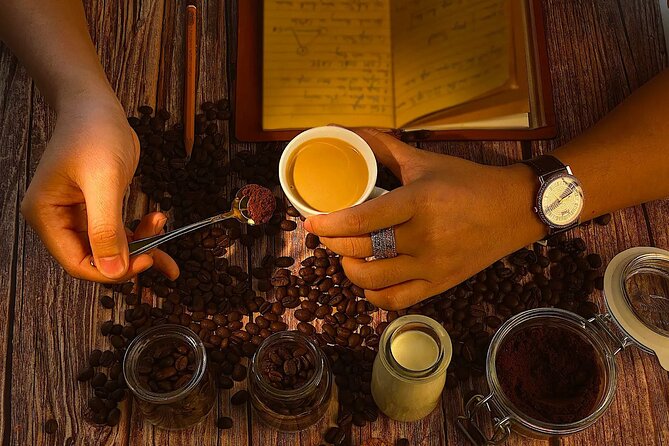
Salt coffee sounds strange until you taste the logic behind it. A small amount of salt can reduce bitterness and make the coffee taste rounder, especially when combined with a creamy topping.
The Hue version connects the drink with Vietnam’s former imperial capital. It gives the class a regional angle, showing that Vietnamese coffee is not one fixed recipe served everywhere in the same way.
This is a good moment to pay attention to texture. The salt is not meant to turn the drink into something savory. Used correctly, it balances the coffee and cream. If you are cautious about unusual flavors, take a small taste first. The point is contrast, not a heavy salty flavor.
The recipe is also a reminder that local coffee drinks often use familiar kitchen ingredients in clever ways. Vietnam’s café culture rewards experimentation, and the class lets you try one of its best-known examples without ordering several full drinks at separate cafés.
Cup four: Hoi An fresh coconut coffee
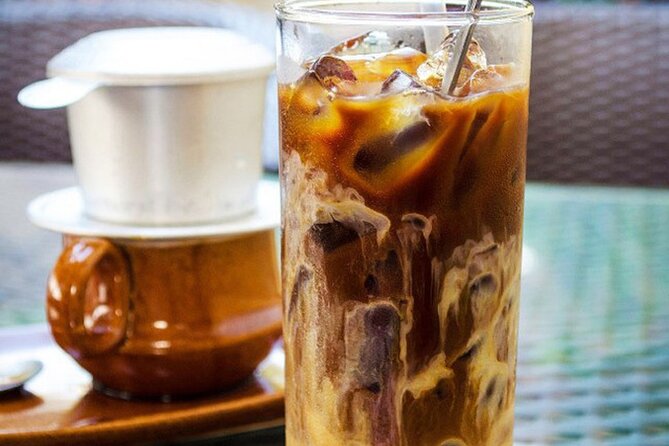
For many people, coconut coffee becomes the favorite. It combines coffee with fresh coconut, giving the drink a cool, sweet, tropical character that fits Hoi An particularly well.
This cup feels different from the first three. The black coffee remains present, but coconut changes the body and flavor. It is less about masking the coffee and more about turning it into a refreshing local-style drink.
The coconut coffee also shows why this class is more useful than a standard tasting. You can learn the recipe, see how the ingredients are prepared, and understand how the strong coffee base can work with a fresh local flavor.
If you are planning the class in hot weather, this may be the cup you appreciate most. The supplied information does not say exactly how the coconut is served or chilled, so do not expect a particular presentation. What is clear is that fresh coconut coffee is one of the five featured drinks and a major part of the session.
Cup five: Hanoi capital egg coffee
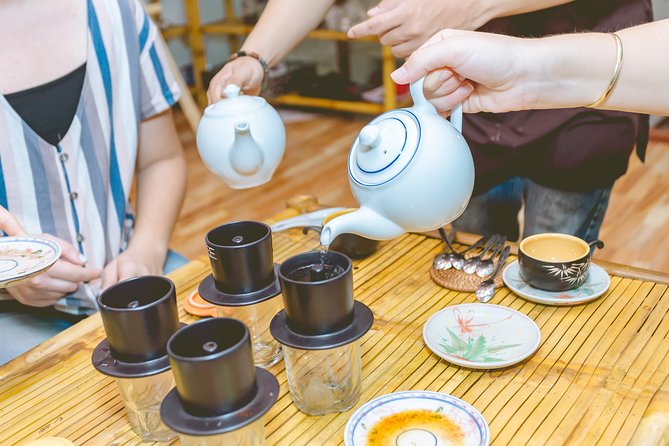
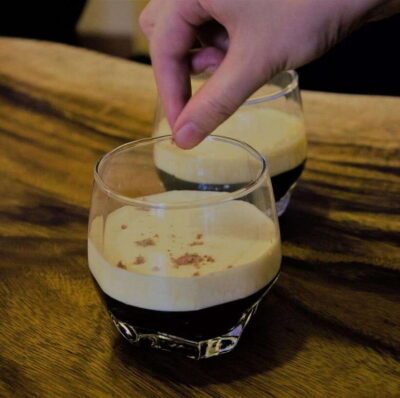
Egg coffee is the class’s most distinctive drink. It began in Hanoi and uses a whipped egg mixture to create a thick, sweet topping over strong coffee.
The texture is closer to a light dessert than an ordinary cup of coffee. That is why it works: the creamy egg layer balances the concentrated coffee below it. The class lets you prepare the drink yourself, so you can see how the topping is made rather than receiving a finished cup without explanation.
The name may raise questions for anyone who has never tried it. The egg mixture is sweet, and the drink is presented as a coffee specialty, not as a savory breakfast dish. If you enjoy custard, cream, or dessert coffee, this is likely to be one of the most memorable recipes in the class.
The egg coffee also gives the lesson a clear regional finish. You have moved from a national brewing method to drinks associated with Hue, Hoi An, and Hanoi. In two hours, the class offers a compact tour of Vietnam through its coffee cups.
What the two-hour pace feels like

Two hours is enough time to explain the culture, prepare five drinks, taste them, and answer questions. The class is not a quick one-hour demonstration. You will spend much of the session handling ingredients and waiting for phin coffee to drip.
That slower pace suits anyone who wants to learn the method. You can see each stage and make mistakes without feeling rushed. The clear, patient instructions are especially helpful for first-time users of a phin.
Still, two hours may feel long if you mainly want to sample coffee. One participant felt the class could have been finished in an hour. I can understand that view, especially if you are not interested in the background story or group banter.
The humor is another matter of taste. Most of the available comments describe the hosts as funny and engaging, but one person found the humor disrespectful. Expect an informal, lively family-run class rather than a polished culinary school lesson.
The caffeine question matters
The most practical advice is to avoid drinking every cup quickly. The coffees are repeatedly described as very strong, and making five drinks means you may have five servings in front of you.
You can taste each one without finishing every glass. If you know caffeine affects your sleep, book the class earlier in the day. The schedule information does not state the exact start times, so check the available departure options when booking.
This warning should not put you off. It simply helps you enjoy the class sensibly. Coffee fans may be tempted to finish every cup, but the point is to compare the flavors and learn the recipes, not to prove your stamina.
What you take home
The included Vietnamese phin filter is one of the best parts of the value. It is small, light, and directly connected to the method you learn in class. You do not need to buy a separate brewing device before trying the recipes at home.
You also receive recipes for the different coffees. That matters more than a souvenir with no practical use. The instructions give you a chance to make the drinks for friends and family after your trip, particularly the white coffee, coconut coffee, and egg coffee.
Coffee-making tools are included during the lesson. A gift is also provided at the end, though the exact item is not specified. If you want to continue the experience at home, the family’s own coffee blend is available for purchase.
Check import rules before carrying coffee into another country. One person specifically noted that the beans were permitted into Australia at the time of their visit, but regulations can change, so you should confirm current rules yourself.
Value at $15.39 per person
At $15.39, this is an inexpensive two-hour activity by Hoi An standards. You receive instruction, five coffee preparations, use of the equipment, recipes, a phin filter, and a small gift.
The value is strongest if you plan to repeat the drinks at home. A café tasting would let you try the flavors, but it would not teach you the brewing method or provide a filter. Here, the take-home equipment helps turn a one-time activity into a useful travel souvenir.
It is also a sensible choice for a short free period. Since you meet and finish at the same location, there is no transfer time or extra transport cost built into the experience. The tradeoff is that you must arrange your own way to 10C Bà Triệu.
At a 99 percent recommendation rate and a listed rating of 5 from 498 reviews, the experience has a strong public record. I would still judge it by your interests: coffee lovers and curious food visitors are likely to get more from it than people who dislike strong caffeine or prefer a quiet, formal presentation.
Who should book this Hoi An class
Book it if you want an activity that combines food, local customs, and practical instruction. It works well for couples, solo visitors, and small groups. A solo participant may even find the session unusually personal if few people book the same time.
It is also a good choice for anyone who likes meeting people from different countries. The group format gives you a natural reason to talk, compare flavors, and laugh over the first attempt at egg coffee.
You may want to skip it if you do not drink coffee, if caffeine is a serious concern, or if you want to spend your limited Hoi An time outdoors. The class is also less suited to someone who wants a short tasting with no cultural explanation.
Should you book the Vietnamese Culture and Coffee Making Class?
I would book this class if you want more than a cup of coffee. The five recipes cover a broad range of Vietnamese flavors, and the phin filter plus recipes give you something useful to take home.
Go in ready for a lively family-run session, a fair amount of caffeine, and a two-hour pace that includes both preparation and cultural background. Sip slowly, ask about the bean blend, and treat the class as a lesson in how Vietnam turns coffee into a social and regional tradition.
FAQ
Where does the coffee-making class begin and end?
It begins at 10C Bà Triệu, Phường Cẩm Phổ, Hội An, Quảng Nam 560000, Vietnam, and ends back at the same meeting point.
How long does the Vietnamese coffee class last?
The experience lasts approximately two hours.
How many types of coffee will I make?
The class is designed around five drinks: traditional black coffee made with a Vietnamese phin, Vietnamese happy white coffee, Hue Imperial salt coffee, Hoi An fresh coconut coffee, and Hanoi capital egg coffee.
Is hotel pickup included?
No. Hotel pickup and drop-off are not included, so you must arrange your own transport to and from the meeting point.
Is the class taught in English?
An instructor and English-speaking guide are included.
What do I take home after the class?
The experience includes a Vietnamese phin filter to take home. You also receive recipes, and a gift is provided at the end of the class. The family’s coffee blend is available to purchase.
Can I cancel for a full refund?
Yes. You can cancel at least 24 hours before the local start time for a full refund. Cancellations or changes made less than 24 hours before the start time are not accepted for a refund. If poor weather causes the class to be canceled, you will be offered another date or a full refund.
More Hands-On Workshops in Hoi An
- Hoi An: Vietnamese Foldable Lantern Making Class
★ 4.9 · 3,742 reviews - Cooking Class Hoi An:Local Market, Basket Boat, Fishing & Cooking
★ 5.0 · 3,660 reviews - Hoi An Cooking Class(Market,BasketBoat Crabfishing&Cooking Class)
★ 5.0 · 3,386 reviews - From Hoi An: Market Tour, Basket Boat Ride and Cooking Class
★ 4.8 · 2,208 reviews
Just added around Hoi An
- Hoian Old Town – Immersive Free Walking Tour★ 4.3 · 3 reviews
- Da Nang to Hoi An Transfer: Convenient Airport and City Transport★ 3.5 · 3 reviews
- Hoi An City Tour–Boat Ride–Release Flower Lantern on river★ 5.0 · 3 reviews
- Hoi An to Nha Trang by Private Car with Professional Driver★ 5.0 · 3 reviews
- Hoi An: Pottery Making Workshop With Local Craftsmen★ 5.0 · 3 reviews
- My Son Half Day Private Tour From Hoi An★ 4.5 · 3 reviews
- Hoi An/ Da Nang: Hue City Tour with HaiVan Pass★ 4.7 · 3 reviews
- Hoi An:Cycling,Traditional Farming & Fishing Life Experience★ 4.0 · 3 reviews
Vietnamese Coffee Experiences, compared.

Vietnamese Coffee Culture and Coffee Making Class
Read our review →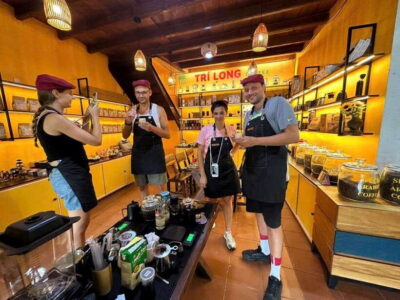
Vietnamese Coffee Making Workshop at Local Roastery
Read our review →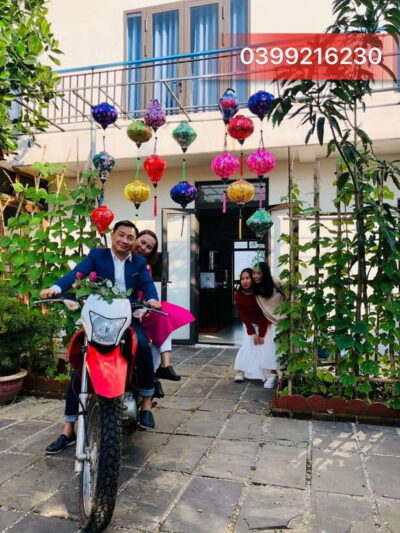
Hands-on Vietnamese Coffee Making Class with Long
Read our review →
Unique Lantern and Coffee Making Class in Hoi An
Read our review →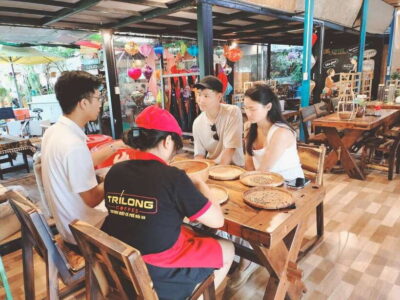
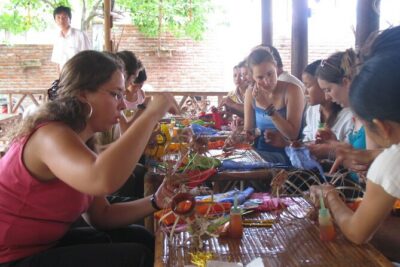
Hoi An Buffaloes Riding/Coracle Boat Tour/Coffee Class with Lunch
Read our review →
Authentic Vietnamese Coffee Making Experience in Hoi An
Read our review →Browse the lists this tour appears in