
Reviewed · VIETNAMESE COFFEE EXPERIENCES
Vietnamese Coffee Making Class in Hoi An
Vietnamese coffee is more than a strong drink with condensed milk. In this 60 to 90-minute class, you can see how beans change during roasting, prepare coffee with a traditional phin filter, and make a specialty drink such as egg, coconut, or salt coffee. It is a compact way to understand what sits in the cup before you order another one in Hoi An.
I like the hands-on format and the choice of drinks. You do not simply watch a barista work. You make a coffee yourself, use the ingredients and tools, and learn why salt can soften bitterness or why whipped egg creates such a smooth topping. I also like the small group limit of 10, which should make it easier to follow the demonstration and ask questions.
The main consideration is caffeine and sweetness. Three coffees in a short period can be a lot, especially when egg coffee and coconut coffee are made with condensed milk or other rich ingredients. The class also focuses more on making and tasting than on a long history lesson, so anyone seeking detailed coffee background may want to keep expectations in check.
In This Review
- Key points to know before booking
- What the Hoi An coffee class actually offers
- Starting with roasted beans and roast levels
- Using the Vietnamese phin filter
- Making Hanoi-style egg coffee
- Mixing coconut coffee for a cooler taste
- Learning why Hue salt coffee works
- How much coffee should you make?
- What the $16 price includes
- Who will enjoy this best?
- Practical timing and booking advice
- Should you book this Hoi An coffee class?
- FAQ
- Where does the Vietnamese coffee class meet?
- How long does the coffee class last?
- Which Vietnamese coffees can I make?
- Is the instructor English-speaking?
- Are ingredients and equipment included?
- Is hotel pickup included?
- Can I cancel the booking?
Key points to know before booking
- Choose your coffee style: Make egg coffee, coconut coffee, salt coffee, or traditional phin coffee, depending on the session you select.
- See beans before they reach the cup: The roasting demonstration explains raw beans, roast levels, aroma, and flavor.
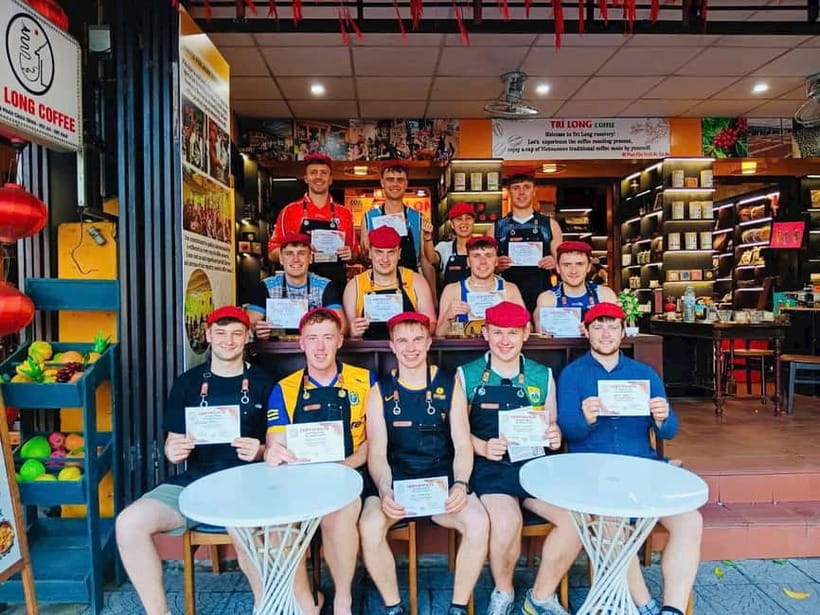
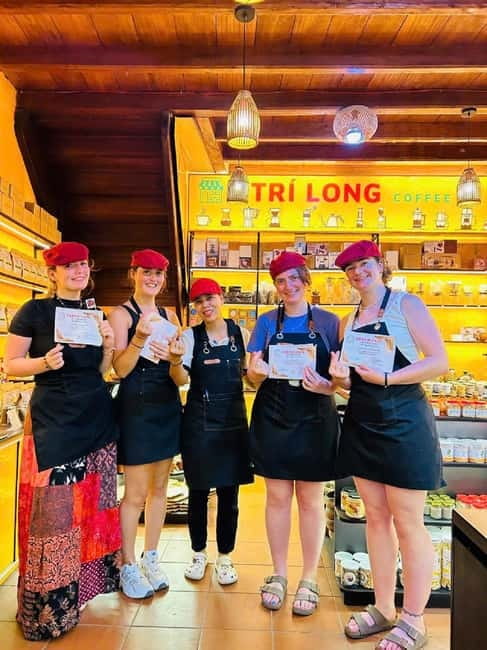
- Meet at Trí Long Coffee: Go to 88 Phan Chau Trinh Street in downtown Hoi An and look for a guide outside wearing a red hat.
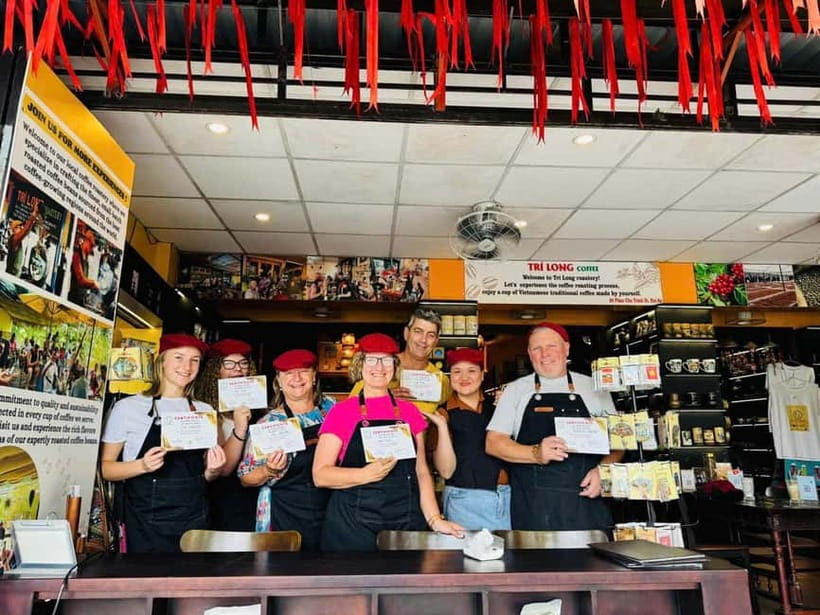
- Expect a small class: The group is limited to 10 people, with an English-speaking instructor.
- Plan for a caffeine-heavy hour: Three drinks may be too much for some people, and a chocolate drink may be available as a substitute.
- Pay $16 for practical tasting: The fee includes the class, ingredients, tools, water, and a coffee you make yourself.
What the Hoi An coffee class actually offers
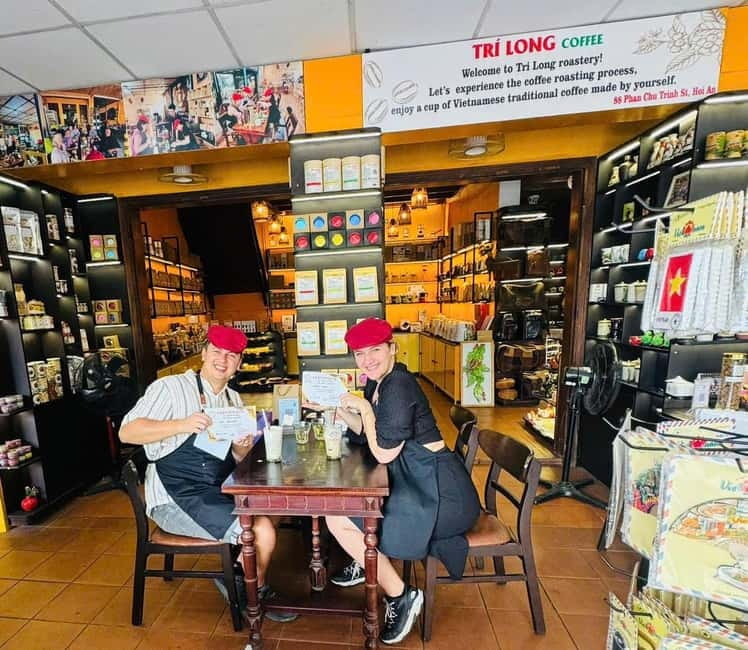
This is a short, focused activity rather than a full morning tour. You meet at Trí Long Coffee, then work through the coffee session or sessions you selected. The activity lasts from one hour to 90 minutes, depending on how many types you make.
You can choose two or three sessions, and the available choices cover several important Vietnamese coffee styles. The class may include the roasting demonstration, phin coffee, egg coffee, coconut coffee, and salt coffee. Check the exact option at booking, since the total time and amount you drink depend on your selection.
The appeal is simple: Hoi An has plenty of cafés where you can order these drinks, but ordering one tells you little about how it is made. Here, you handle the process. That makes the next café visit more interesting because you know what to watch for in the cup.
More Vietnamese coffee sessions in Hoi An:
- Hoi An: Vietnamese Coffee Culture and Coffee Making Class
★ 4.9 · 4,006 reviews - Vietnamese Culture and Coffee Making Class
★ 5.0 · 497 reviews - Hoi An: Vietnamese Coffee Making Workshop at Local Roastery
★ 4.8 · 174 reviews
Starting with roasted beans and roast levels
The roasting demonstration gives the class a useful beginning. You see coffee beans in their raw state, then learn how roasting changes their color, smell, and final taste. The instructor also explains different roast levels and how they affect the coffee you drink.
That matters in Vietnam, where a strong cup can taste bitter, smoky, sweet, or full-bodied depending on the beans and roast. If you are new to coffee, this part gives you a basic vocabulary for noticing flavor. If you already care about coffee, it helps connect technique with taste.
The information is practical rather than academic. You should expect an explanation of the roasting process and its effect on the cup, not a long seminar on coffee production. One useful point to keep in mind is that the demonstration may feel brief if you want detailed background about Vietnamese coffee and its history.
Still, the roasting section earns its place because it stops the class from being only a recipe lesson. You learn that the coffee flavor is shaped before the beans reach the filter, milk, egg, coconut, or salt.
Using the Vietnamese phin filter
The phin is the traditional Vietnamese coffee filter, and it gives the class its clearest link to everyday coffee culture. Instead of a fast machine extraction, water passes slowly through ground coffee in a small metal filter.
You will see how the phin is set up and how the coffee drips into the cup. The result is generally bold and concentrated, with the bitter and sweet notes that make Vietnamese coffee so recognizable. Condensed milk is often associated with this style, but the supplied class details focus on the brewing method and its balance of bitterness and sweetness.
I like this session because the equipment is modest. You do not need an espresso machine or a complicated home setup to repeat the method. A phin filter gives you a direct, affordable way to keep making Vietnamese coffee after you leave Hoi An.
The slow drip also changes the pace of the activity. You have time to watch the coffee collect rather than rushing from one step to the next. That is useful for a beginner, though anyone expecting a fast tasting session should remember that the filter is meant to work slowly.
Making Hanoi-style egg coffee
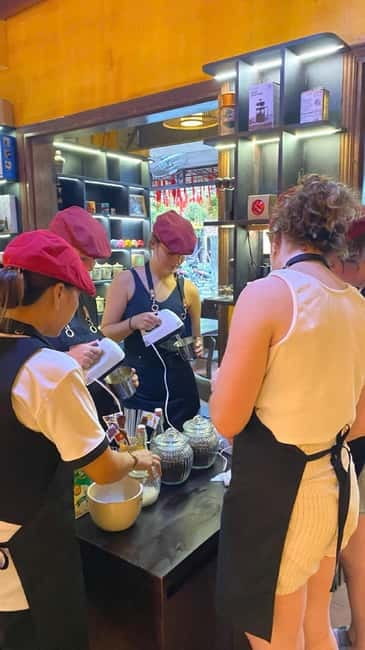
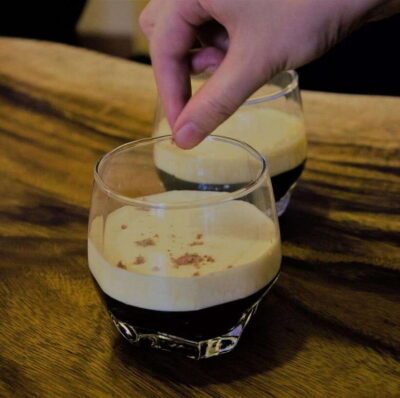
Egg coffee is the most distinctive option in the class. The drink combines coffee with whipped egg yolks, condensed milk, and sugar. The topping becomes creamy and smooth, creating something closer to a dessert than a plain morning coffee.
The instructor shows how the egg mixture is prepared and how it is combined with coffee. You get to make the drink yourself, which helps explain its texture. The key is not simply adding egg to coffee. The whipped mixture needs to become light and velvety enough to sit over the coffee as a thick topping.
The flavor is sweet, rich, and unusual. If you like custard, condensed milk, or dessert drinks, this will likely be your favorite session. If you prefer black coffee, it may feel heavy.
The class identifies this as Hanoi capital egg coffee, a style strongly associated with northern Vietnam. Making it in Hoi An gives you a chance to sample a specialty from another Vietnamese city without adding a separate trip to Hanoi.
One practical point: egg coffee counts as a full drink, not just a tiny sample. If you book three coffee sessions, the combined sweetness and caffeine can catch up with you. Pace yourself and use the water provided.
A few more Hoi An half-days to weigh up
- Early Morning My Son Sanctuary Trip w. Champa Food & Coffee
★ 5.0 · 629 reviews - Hoi An: My Son Early Morning with Banh My and Coffee 6 am
★ 4.7 · 205 reviews - Hoi An: Lantern and Coffee Making Class
★ 5.0 · 154 reviews - My Son Sanctuary Early Morning Tour 6 am w Banh my and Coffee
★ 5.0 · 142 reviews
Mixing coconut coffee for a cooler taste
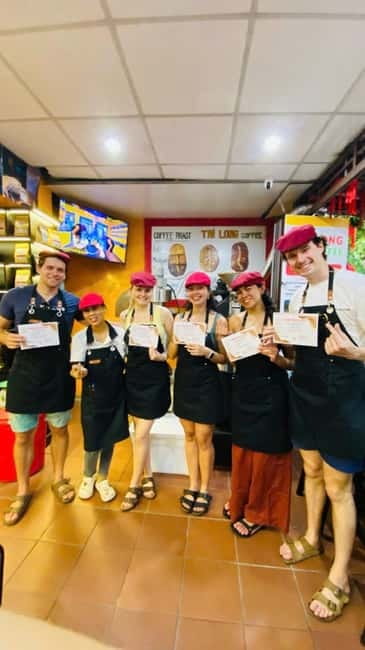
Coconut coffee takes the strong coffee base in a more tropical direction. You learn how to add the nutty sweetness of coconut to the drink, producing a refreshing and aromatic result.
This is a good choice if you find traditional black coffee too intense. Coconut softens the sharper edge and gives the drink a sweeter, rounder character. It also suits Hoi An’s warm climate, at least in flavor, even though the class details do not promise a specific serving temperature or preparation style.
The session has value because it shows how a basic coffee can be changed without losing its identity. You still taste the coffee, but the coconut adds another layer. For many people, this is the easiest drink to enjoy if they are not used to Vietnam’s strong brews.
You should not expect a full cooking class around coconut. The focus remains coffee making, with the coconut used as part of one drink. That makes the lesson quick and approachable, but not a detailed study of coconut preparation.
Learning why Hue salt coffee works
Salt coffee may sound strange until you taste the reason behind it. The class explains how a small amount of salt can reduce bitterness and bring out other flavors in the coffee.
This style is linked with Hue, Vietnam’s former imperial capital. The drink gives you a small taste of Hue’s café culture while staying in Hoi An. The salt is not meant to make the coffee taste salty. Used carefully, it balances the cup and can make the coffee seem smoother.
I consider this the most useful session for people who want to understand flavor rather than just collect recipes. It shows how a tiny change can alter the whole drink. You can also repeat the idea at home, though the exact amount of salt matters.
As with egg and coconut coffee, salt coffee is not likely to suit every palate. The class is helpful here because you can taste the result after making it yourself. You are not committing to a large order at a café based only on a menu description.
How much coffee should you make?
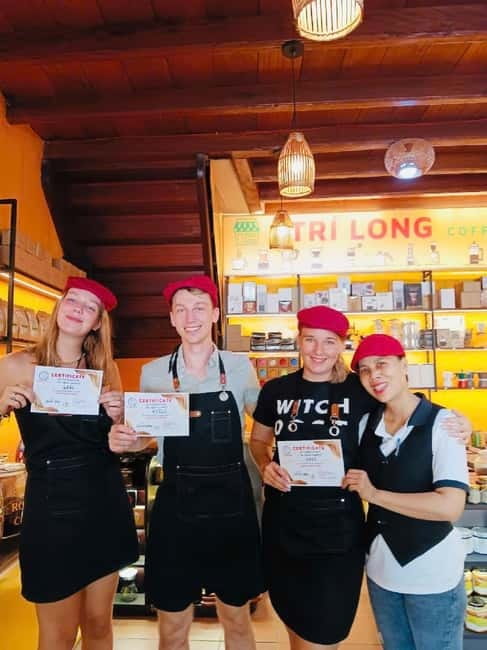
The activity allows two or three sessions, giving you a choice between a lighter introduction and a fuller tasting. A two-session class is likely the better fit if you want to learn without consuming several sweet, strong drinks close together.
Three sessions give you a broader look at Vietnamese coffee. You might compare the phin method with egg coffee and then add coconut or salt coffee. This is better for people who enjoy tasting several styles, sharing drinks, or want the most complete version of the activity.
A useful warning comes from the structure of the class itself: several coffees in 60 to 90 minutes can be a lot. One participant who booked three coffees found the total richness and caffeine heavy and was offered a chocolate drink instead of the final coffee.
That substitution is worth asking about if you are sensitive to caffeine or simply want to avoid a sugar overload. Do not assume every booking includes a chocolate drink, but the experience has shown some flexibility when a participant needs an alternative.
Water is included, which helps. You can also choose fewer sessions at the start. The best plan is to book according to your appetite, not according to how many drinks you can technically fit into the time.
What the $16 price includes
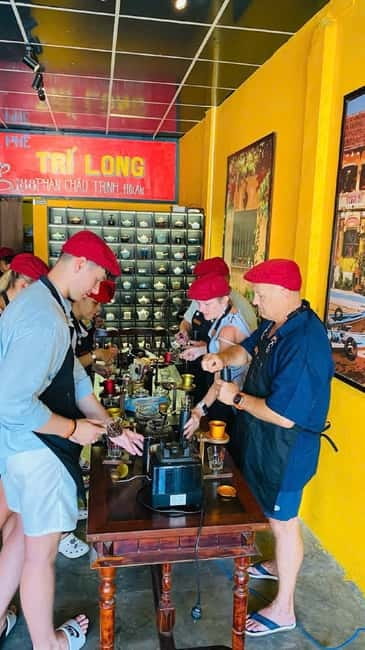
At $16 per person, the class offers reasonable value for a short activity. You receive the coffee-making course, an English-speaking instructor, water, ingredients, and access to the tools. You also make at least one coffee yourself.
The value depends on what you want. If you only want to drink Vietnamese coffee, cafés around Hoi An offer a cheaper and easier route. If you want to understand the process and learn a method you can repeat at home, the class gives you more than a normal café order.
The small group limit improves the value. A class capped at 10 people should feel more personal than a large demonstration, although the actual amount of individual attention can vary. You are not paying for hotel transport, food, or other expenses, so budget separately for those.
There is no hotel pickup or drop-off. That is not a serious drawback for a downtown Hoi An activity, but you need to reach Trí Long Coffee on your own. The address is 88 Phan Chau Trinh Street. Look for the guide outside the coffee shop wearing a red hat.
Who will enjoy this best?
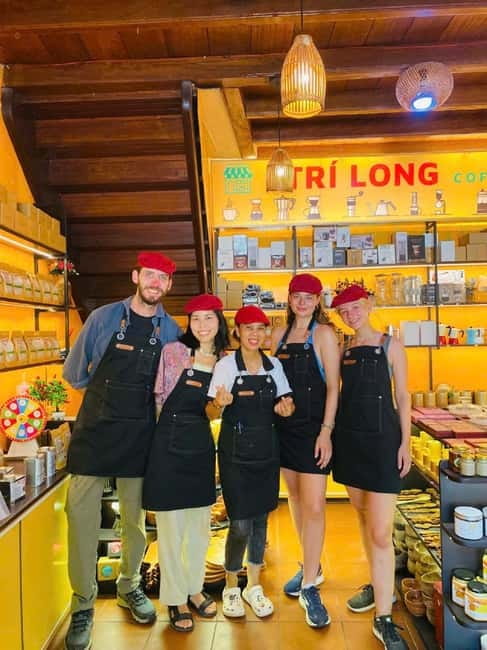
I would recommend the class to coffee drinkers, curious beginners, and anyone who wants a short indoor activity in Hoi An. It also works well for couples, families with older children, and small groups who want to make something together rather than sit through a long talk.
The class is especially useful on a rainy afternoon. It takes only an hour to 90 minutes and gives you something active to do indoors. You will leave having made a drink, not just watched a demonstration.
It suits people interested in Vietnamese food and drink culture, too. Egg coffee, coconut coffee, and salt coffee each tell you something about how local cafés adapt coffee to different tastes and places.
I would be more cautious if you dislike sweet drinks, avoid caffeine, or want a detailed lesson about coffee farming, regional production, and roasting science. The class includes useful roasting information, but its main goal is practical preparation and tasting.
The activity is wheelchair accessible, according to the supplied details. The instructor teaches in English, and the group is limited to 10 participants.
Practical timing and booking advice
You can cancel up to 24 hours in advance for a full refund, and the reserve-now, pay-later option keeps payment flexible. Starting times vary, so check availability when choosing your date.
Give yourself enough time to reach 88 Phan Chau Trinh Street. The meeting point is Trí Long Coffee, and the identifying detail is a guide outside wearing a red hat. Since there is no hotel pickup, do not wait at your accommodation.
Choose your coffee sessions with care. Two drinks offer a more comfortable introduction. Three give you greater variety but also mean more caffeine and sweetness in a short span.
If you are attending with someone who has different tastes, the class works well because the options are varied. One person can choose egg coffee while another focuses on phin, coconut, or salt coffee. Ask the instructor about the available choices at the beginning.
Should you book this Hoi An coffee class?
Book it if you want a short, affordable, hands-on introduction to Vietnamese coffee. The strongest reasons are the small group, the choice of four coffee styles, and the chance to make a drink yourself rather than only taste one.
I would choose two sessions for most people, especially if you are new to strong Vietnamese coffee. Pick three only if you are comfortable with caffeine and sweet drinks, or if you want a wider comparison.
The class is not the right pick for a long cultural lecture or a serious professional barista course. Its strength is practical fun: roasting basics, a traditional phin, and unusual drinks you can recognize and order across Vietnam. At $16, that is a fair trade for 60 to 90 minutes in central Hoi An.
FAQ
Where does the Vietnamese coffee class meet?
The meeting point is Trí Long Coffee at 88 Phan Chau Trinh Street in Hoi An. Look for a guide standing outside the coffee shop wearing a red hat.
How long does the coffee class last?
The class lasts from one hour to 90 minutes. The exact duration depends on the sessions you choose.
Which Vietnamese coffees can I make?
You can choose from Vietnamese phin filter coffee, Hanoi-style egg coffee, coconut coffee, and Hue-style salt coffee. Available choices depend on the session selected.
Is the instructor English-speaking?
Yes. The instructor teaches in English.
Are ingredients and equipment included?
Yes. Ingredients, tools, water, and the coffee-making course are included. You also receive a cup of coffee made by yourself.
Is hotel pickup included?
No. Hotel pickup and drop-off are not included. You need to make your own way to Trí Long Coffee.
Can I cancel the booking?
Yes. You can cancel up to 24 hours in advance for a full refund. A reserve-now, pay-later option is also available.
More Hands-On Workshops in Hoi An
- Hoi An: Vietnamese Foldable Lantern Making Class
★ 4.9 · 3,742 reviews - Cooking Class Hoi An:Local Market, Basket Boat, Fishing & Cooking
★ 5.0 · 3,660 reviews - Hoi An Cooking Class(Market,BasketBoat Crabfishing&Cooking Class)
★ 5.0 · 3,386 reviews - From Hoi An: Market Tour, Basket Boat Ride and Cooking Class
★ 4.8 · 2,208 reviews
Just added around Hoi An
- Hoian Old Town – Immersive Free Walking Tour★ 4.3 · 3 reviews
- Da Nang to Hoi An Transfer: Convenient Airport and City Transport★ 3.5 · 3 reviews
- Hoi An City Tour–Boat Ride–Release Flower Lantern on river★ 5.0 · 3 reviews
- Hoi An to Nha Trang by Private Car with Professional Driver★ 5.0 · 3 reviews
- Hoi An: Pottery Making Workshop With Local Craftsmen★ 5.0 · 3 reviews
- Hoi An:Cycling,Traditional Farming & Fishing Life Experience★ 4.0 · 3 reviews
- My Son Half Day Private Tour From Hoi An★ 4.5 · 3 reviews
- Hoi An/ Da Nang: Hue City Tour with HaiVan Pass★ 4.7 · 3 reviews
Vietnamese Coffee Experiences, compared.

Vietnamese Coffee Culture and Coffee Making Class
Read our review →
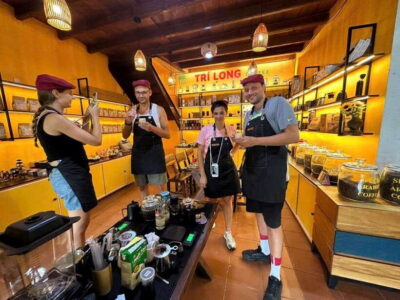
Vietnamese Coffee Making Workshop at Local Roastery
Read our review →
Hands-on Vietnamese Coffee Making Class with Long
Read our review →
Unique Lantern and Coffee Making Class in Hoi An
Read our review →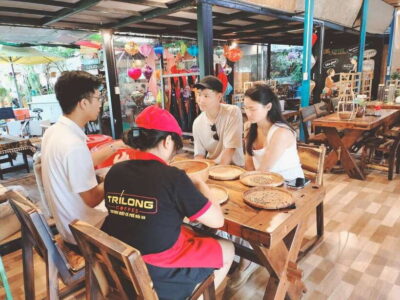
Hoi An Buffaloes Riding/Coracle Boat Tour/Coffee Class with Lunch
Read our review →Browse the lists this tour appears in