

Reviewed · HOI AN ANCIENT TOWN TOURS
Luxury Half-Day Tour of Hoi An Ancient Town
Hoi An’s Old Town is best understood on foot, where narrow lanes reveal Chinese, Japanese, French, and European design in a compact historic center. This four-hour tour gives you a useful first look at the Japanese Covered Bridge, Phuc Kien Temple, Tan Ky Ancient House, market, and cultural show rooms without taking up a whole day.
I like the local guide format, since guides such as Huy, Tea, and Minh have brought personal knowledge of Hoi An’s families, customs, and past to the walk. I also like the practical setup: hotel pickup and return, entrance fees, an English-speaking guide, and a chance to shop after the main sightseeing.
The main consideration is pace. Four hours passes quickly, and the route involves walking through narrow streets, so this is not the best choice if you need a slow, low-effort outing. The information also says the tour is wheelchair accessible but not suitable for people with mobility impairments, so you should confirm the arrangements before booking.
In This Review
- Key points to know before you book
- Why a morning walk suits Hoi An
- Walking through Hoi An’s narrow lanes
- Phuc Kien Temple and Temple Kwan
- Tan Ky Ancient House and everyday Hoi An
- The 400-year-old Japanese Covered Bridge
- Fish market and cultural show rooms
- Shopping after the sightseeing
- What $55 includes, and what it does not
- Who will get the most from this tour
- FAQ
- What time does the tour start?
- Where does hotel pickup take place?
- Where does the activity end?
- What language does the guide speak?
- What sights are included?
- Are entrance fees included?
- Is food or drink included?
- What should I bring?
- Should you book this Hoi An morning tour?
Key points to know before you book

- The Japanese Covered Bridge is the visual centerpiece: You will see one of Hoi An’s best-known landmarks, described here as about 400 years old.
- Your guide adds local context: Previous guide assignments included Huy, Tea, and Minh, with particular praise for clear explanations, local insight, photographs, and shopping help.
- The route covers several major sights: Expect Phuc Kien Temple, Temple Kwan, Tan Ky Ancient House, the fish market, Japanese Bridge, and cultural show rooms.
- The tour begins and ends at your hotel: Pickup is available from most centrally located Hoi An hotels, with return to the same meeting point.
- Shopping time is flexible: The guide can take you back after the walking tour, or you can use remaining time to browse Old Town shops.
- The $55 price covers the basics: Tickets, guide, hotel transfers, bicycle, helmet, taxes, services, and travel insurance are included.
Why a morning walk suits Hoi An
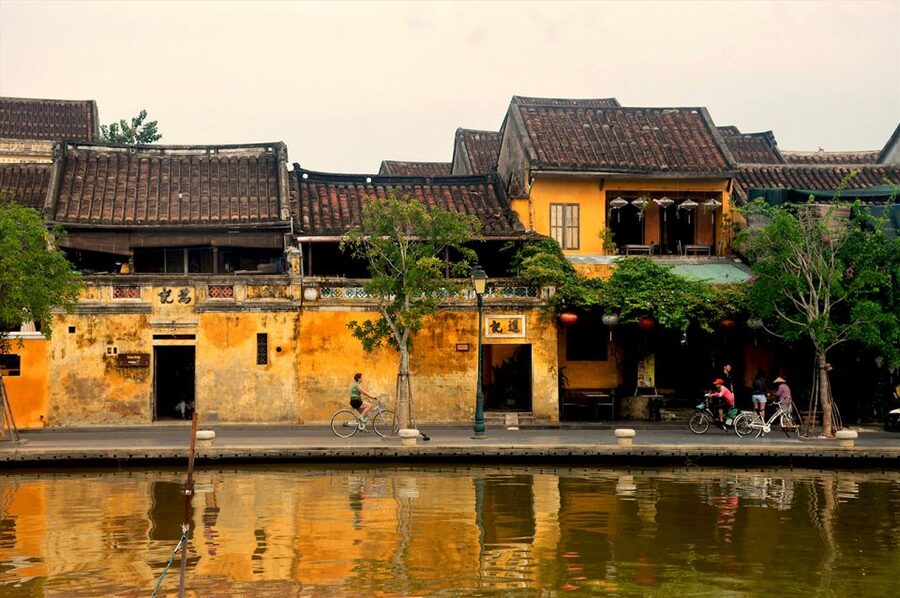
Hoi An sits along the Thu Bon River on the coastal plain of Quang Nam Province. Its name has changed over time, and the town has also been known as Lam Ap and Faifo. That layered identity helps explain why the streets show several architectural influences rather than one single style.
The tour begins at 8:00 in your hotel lobby. You are asked to be ready 15 minutes early, which matters in Hoi An because the morning schedule is short and the guide still needs to get you to the Old Town, arrange entrance tickets, and begin the route.
I like this early start for a first full day in Hoi An. You can get your bearings before spending the rest of the day shopping, eating, or seeing more of the town at your own speed. The four-hour length also leaves room in your schedule for another activity.
The walk begins after you and your guide reach the Old Town and purchase the required entrance tickets. Hotel pickup is available from most centrally located hotels, but you need to confirm your exact pickup point when you call to finalize the reservation. If your hotel is outside the central area, do not assume the transfer is included without checking.
More Ancient Town walks in Hoi An:
- Hoi An Ancient Town Walking Tour with a Local
★ 5.0 · 517 reviews - The Lantern Lady: Traditional Lantern Class in Old Town
★ 4.9 · 444 reviews - Hoi An Ancient Town – Walking Tour with Local Guide
★ 4.9 · 385 reviews
Walking through Hoi An’s narrow lanes
The heart of the experience is the walk itself. Hoi An’s streets are lined with old houses shaped by Chinese, Japanese, French, and European influences. The value of a guide is not simply finding the buildings. It is helping you connect the architecture with the town’s role as a trading center and with the people who still use these streets today.
The route takes you through narrow lanes rather than keeping you on a broad sightseeing road. That makes the town feel more personal, but it also means you should wear comfortable shoes and leave large bags and luggage behind. The tour information specifically says that luggage and large bags are not allowed.
Your guide can point out the places that are easy to pass without noticing. A good guide can also answer the questions that arise naturally as you walk, from the purpose of an assembly hall to the meaning of a family home. The strongest guide comments came from Huy, Tea, and Minh, each praised for a different strength.
Huy was singled out for his pride in Hoi An and Vietnam, along with his ability to explain the town in an engaging way. Tea was praised for taking many photos, showing the main sights, and helping with shopping. Minh was described as a local from Hoi An who could explain family life, country life, and local customs with care.
Those names are useful when you assess the experience, but guide assignments can change. You should not book expecting a particular person unless the provider confirms it.
Phuc Kien Temple and Temple Kwan
Phuc Kien Temple, also called the Phuc Kien Assembly Hall in the tour description, is one of the main stops. An assembly hall is more than a decorative building. It reflects the presence of a particular Chinese community and its role in worship, social ties, and community life.
Your guide’s explanation matters here. Without context, you may notice the design and move on. With context, the building becomes part of the story of the people who arrived, traded, settled, and maintained their traditions in Hoi An.
Temple Kwan is also included in the route. The supplied details do not specify how long you will spend at either temple or which order you will visit them. Treat them as focused stops within a larger walking tour, not as extended visits with a specialist lecture.
Because you visit several places in four hours, the route is designed for a broad introduction. If you want long periods for quiet observation, photography, or detailed study at each building, a private full-day tour may suit you better. This outing works best when you want a clear overview first.
Tan Ky Ancient House and everyday Hoi An
Tan Ky Ancient House gives the tour a different angle. The temples show public religious and community life. An old merchant house brings you closer to domestic and commercial life inside the historic center.
The house is included as one of the places of interest, but the supplied details do not promise a private viewing or a set amount of time inside. You should expect a guided visit as part of the broader route.
I find this contrast useful. A town can look like a collection of handsome facades until you see how people lived and worked behind them. Tan Ky Ancient House helps make the Old Town more than a photo stop.
The guide’s local perspective may be especially helpful here. Minh’s past explanations about family and country life suggest the kind of detail that can give an old house human meaning. Still, the exact guide and depth of interpretation depend on the day’s assignment.
A few more Hoi An half-days to weigh up
- My Son Sanctuary Half-Day Private Guided Tour- Early Tour
★ 5.0 · 222 reviews - Hoi An: Half-day Excursion To My Son Sanctuary Tour
★ 4.5 · 130 reviews - My Son Sanctuary Half-day Journey
★ 4.0 · 97 reviews - Hoi An Half-Day Street Food Guided Tour – HFE
★ 5.0 · 83 reviews
The 400-year-old Japanese Covered Bridge
The Japanese Covered Bridge is the tour’s clearest landmark stop. It is described as about 400 years old and is one of the essential sights in Hoi An’s historic center.
The bridge matters because it brings together the town’s Japanese connection and its wider trading past. Its covered design also makes it visually different from an ordinary bridge, so it is easy to recognize as you move through the Old Town.
Your guide will take you to the bridge as part of the walking route. Since the tour includes other sights, you may not have unlimited time to wait for a completely empty view or take a large number of photographs. If pictures matter to you, tell the guide early. Tea was specifically praised for taking plenty of photos, though that service cannot be guaranteed with every guide.
The bridge can also be a useful point for orientation. After seeing it, you have a better sense of how the old streets connect. That makes the later free time more productive because you are less likely to wander without knowing where you are.
Fish market and cultural show rooms

The local fish market adds an everyday working side of Hoi An. It is a useful counterpoint to temples and preserved houses. The tour details do not promise a market tasting or a meal, so you should think of this as a sightseeing stop rather than a food tour.
The cultural show rooms are another included highlight. The information does not specify the performances, opening times, or length of the visit. Your guide can direct you to the rooms during the route, but you should not book this tour expecting a full scheduled show unless that is confirmed at the time of booking.
These stops help keep the walk from becoming a parade of old buildings. You see religious sites, a historic home, a bridge, market life, and cultural spaces in one compact outing. That variety is one of the tour’s better features.
Shopping after the sightseeing
After the main walking route, you can use free time to shop around the Old Town. This is where Tea’s reported shopping help becomes relevant. A guide who can explain choices, help with communication, and point you through the lanes may make the experience less tiring.
Shopping is not included in the $55 price, of course. Personal expenses, including shopping, are your responsibility. The tour also does not include drinks or meals, so plan to pay separately if you want refreshments after the walk.
The schedule says the guide will take you back to the hotel at 11:00. That leaves little time for shopping if the sightseeing runs to schedule, but the description also says you can shop if you have free time. In practice, treat shopping as a bonus rather than the main purpose of the booking.
If you already know you want a long shopping session, ask about returning independently after the tour. The formal activity ends back at the hotel meeting point, and the guide is scheduled to take you there.
What $55 includes, and what it does not
At $55 per person, this is not just an admission ticket. The price includes hotel pickup and drop-off, an English-speaking guide, entrance fees, a bicycle and helmet, tax and service charges, and travel insurance.
That bundle can be good value if you want a structured introduction and prefer not to arrange each temple ticket yourself. The hotel transfer is also useful when you are new to Hoi An and want the morning to begin without sorting out transport.
The bicycle inclusion is worth noting, although the described route is primarily a walking tour. The information does not explain when or how the bicycle is used, so ask the provider if cycling is important to you.
You still pay for drinks, meals, visa fees, shopping, and personal costs. A single supplement may apply, and unexpected costs caused by storms, floods, flight changes, accidents, medical evacuation, strikes, or other serious disruptions are not included.
The tour offers free cancellation up to 24 hours before the start and reserve-now, pay-later booking. Those terms help if your Hoi An schedule is still shifting.
Who will get the most from this tour
I would choose this for a first morning in Hoi An, especially if you want a guide to explain the Old Town before you explore on your own. It suits solo visitors, couples, and small groups who value local stories more than a long list of photo stops.
It is also a good fit if you have only half a day available. The route covers the main sights without committing your entire day, and the return at about 11:00 leaves time for your own plans.
Families with very young children should note that children aged one and younger are complimentary when accompanied by a paying adult. The tour requires comfortable shoes, and the narrow lanes and walking pace may not suit everyone.
The accessibility information needs careful attention. The activity is marked wheelchair accessible, but it is also described as not suitable for people with mobility impairments. Those statements do not fully agree, so you should ask about the route, surfaces, steps, and bicycle arrangements before paying.
FAQ
What time does the tour start?
The stated start time is 8:00. You should be ready in your hotel lobby 15 minutes before the scheduled pickup.
Where does hotel pickup take place?
Pickup starts at your hotel. It is available from most centrally located Hoi An hotels, but you need to arrange the exact hotel or a nearby meeting point when confirming the reservation.
Where does the activity end?
The tour ends back at the meeting point, with the guide taking you to your hotel.
What language does the guide speak?
The live guide speaks English.
What sights are included?
The route includes Temple Kwan, Phuc Kien Temple, Tan Ky Ancient House, the Japanese Covered Bridge, cultural show rooms, the local fish market, and the Old Town shopping area.
Are entrance fees included?
Yes. All entrance fees are included in the price.
Is food or drink included?
No. Beverages and meals are not included.
What should I bring?
Bring comfortable shoes. Luggage and large bags are not allowed.
Should you book this Hoi An morning tour?
Book it if you want a well-organized first look at Hoi An, with hotel transfers, tickets, and a local English-speaking guide handled for you. The strongest reason to choose it is the human side of the walk. Guides such as Huy, Tea, and Minh have brought pride in the town, local family stories, photographs, and shopping help to the experience.
Skip it if you want a slow, unstructured day or several hours devoted to shopping. You should also confirm the accessibility details if walking is difficult. For most visitors with a free morning, though, $55 is a fair price for a guided introduction to the Japanese Bridge, temples, old houses, market, and lanes that make Hoi An worth taking time to understand.
Just added around Hoi An
- Hoian Old Town – Immersive Free Walking Tour★ 4.3 · 3 reviews
- Da Nang to Hoi An Transfer: Convenient Airport and City Transport★ 3.5 · 3 reviews
- Hoi An City Tour–Boat Ride–Release Flower Lantern on river★ 5.0 · 3 reviews
- Hoi An to Nha Trang by Private Car with Professional Driver★ 5.0 · 3 reviews
- Hoi An: Pottery Making Workshop With Local Craftsmen★ 5.0 · 3 reviews
- Hoi An:Cycling,Traditional Farming & Fishing Life Experience★ 4.0 · 3 reviews
- My Son Half Day Private Tour From Hoi An★ 4.5 · 3 reviews
- Hoi An/ Da Nang: Hue City Tour with HaiVan Pass★ 4.7 · 3 reviews
Hoi An Ancient Town Tours, compared.
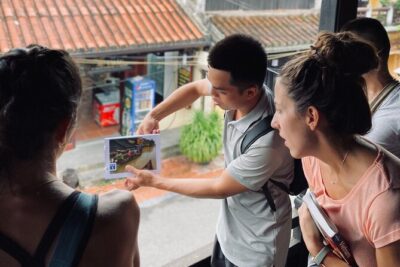

The Lantern Lady: Traditional Lantern Class in Old Town
Read our review →
Hoi An Ancient Town – Walking Tour with Local Guide
Read our review →
Hoi An Night Market – Ancient Town street food tours by Night
Read our review →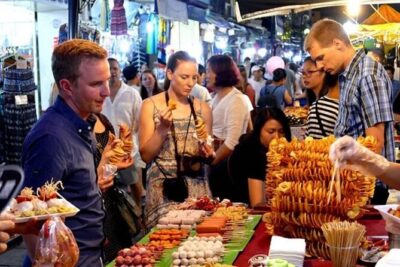
Hoi An Ancient Town – Night Market Street Food Tours By Night
Read our review →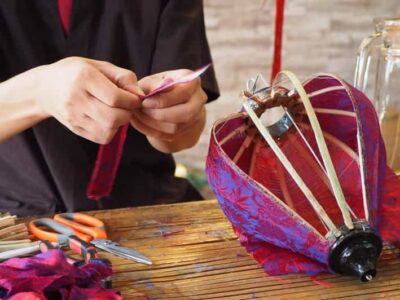

PRIVATE Hoi An Ancient Town – Night Market Street Food By Night
Read our review →
Hoi An Ancient Town Walking Street Food Tours with Night Market
Read our review →Browse the lists this tour appears in