
Reviewed · HOI AN ANCIENT TOWN TOURS
Ancient Town Walking Tour in Hoi An
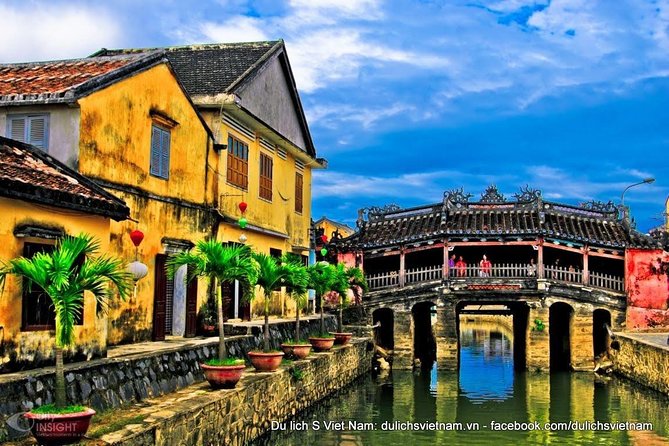
Hoi An’s Old Town is best understood at walking speed, where a doorway, carved beam, or quiet courtyard can tell you more than a quick ride past the sights. This tour links the town’s ancient houses, Chinese assembly halls, and Japanese Covered Bridge with a guide who can explain how Vietnamese, Chinese, and Japanese influences met here.
I like the early 8 a.m. start, which gives you a quieter look at the streets before the day fills in. I also like the practical setup: admission fees, bottled water, and a guide are included, and the group is limited to 20 people.
The main consideration is the walking. The tour lasts roughly three to three and a half hours, and much of its value comes from standing, strolling, and listening rather than from riding between sights. Personal expenses are not included, and pickup is offered but should be checked carefully when booking.
In This Review
- Key points at a glance
- Why Hoi An makes such a good walking tour
- Starting early at 8 a.m.
- Hoi An Museum and the town’s past
- Ancient houses with views into older Hoi An
- Chinese assembly halls and shared cultural roots
- The Japanese Covered Bridge
- Arts, crafts, and the living side of the Old Town
- What the guide adds
- Is $41.03 a fair price?
- Who should book this Hoi An walk?
- Booking, weather, and cancellation
- My recommendation
- FAQ
- Where does this walking tour take place?
- How long does the experience last?
- What sights are included?
- Is hotel pickup available?
- What is included in the price?
- Are personal expenses included?
- How many people can join the tour?
- Can I cancel for a full refund?
Key points at a glance
- An early start helps you see Hoi An at its quietest: The 8 a.m. departure can make the narrow Old Town streets more comfortable and peaceful.
- The route covers Hoi An’s main historic sights: Expect the town museum, ancient houses, Chinese assembly halls, the Japanese Covered Bridge, and an arts-and-crafts stop.
- Guide Jun is specifically named: Her explanations cover Hoi An’s past, local culture, and daily life in Vietnam.
- The experience is built for walkers: Plan on about three to three and a half hours on foot, with no sightseeing vehicle listed.
- The group can reach 20 people: That is small enough for a more organized outing, though not the same as a private tour.
- The price includes the useful basics: At $41.03 per person, entrance fees, water, and guiding are covered, while personal spending is extra.
Why Hoi An makes such a good walking tour
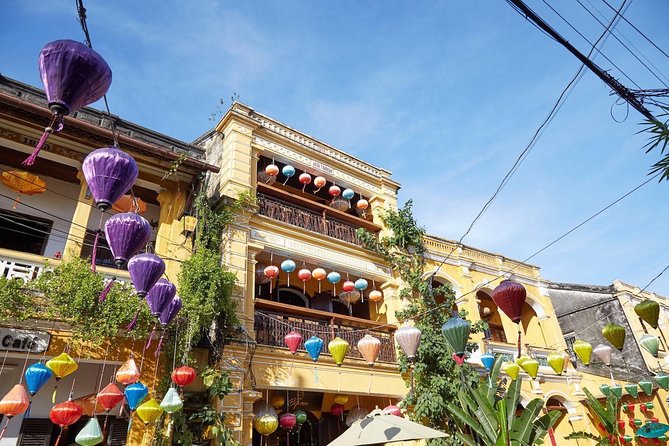
Hoi An is a compact place with an unusual visual mix. Vietnamese design sits beside Chinese religious and commercial traditions, while Japanese influence is most clearly linked to the famous covered bridge. Walking lets you notice these changes one street and building at a time.
The town was recognized by UNESCO as a World Heritage Site in 1999. That label matters here because the appeal is not one giant monument. It is the feeling created by a whole historic center, with old homes, gathering halls, lanes, and public buildings close together.
I find this kind of place easier to understand with a guide. Without context, an old timber house can look like a photogenic stop. With an explanation, you can pay attention to its layout, decorative details, and the role such buildings played in family and business life.
The tour also gives you a useful first look at Hoi An before you explore on your own. You can return later to a house or assembly hall that caught your eye, or use the walk to decide how much more time you want in the Old Town.
More Ancient Town walks in Hoi An:
- Hoi An Ancient Town Walking Tour with a Local
★ 5.0 · 517 reviews - The Lantern Lady: Traditional Lantern Class in Old Town
★ 4.9 · 444 reviews - Hoi An Ancient Town – Walking Tour with Local Guide
★ 4.9 · 385 reviews
Starting early at 8 a.m.
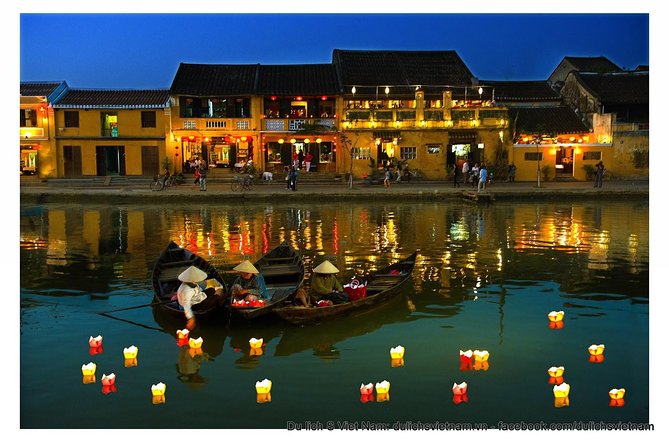
The early departure is one of the smartest details here. An 8 a.m. start means you can see Hoi An before the streets become as active later in the day. It also suits visitors who prefer cooler, calmer sightseeing and want to keep the afternoon open.
The quiet matters in Hoi An. The town’s charm comes from its slower pace, old facades, and small details. A crowded street can still be enjoyable, but it makes it harder to hear a guide or pause in front of an architectural feature.
You should still confirm the exact meeting or pickup arrangement before setting out. Pickup is offered, but the supplied details do not specify the pickup area, timing, or whether it carries an extra charge. Treat that as a booking detail rather than assuming door-to-door service.
Hoi An Museum and the town’s past
The Hoi An Museum is part of the route and gives the walk a useful starting point in the town’s story. Museums can be especially helpful here because the historic center contains many layers. You are not simply looking at attractive old buildings. You are seeing evidence of a trading town shaped by local and overseas connections.
I would pay attention to the guide’s explanation of how Vietnamese, Chinese, and Japanese elements appear in Hoi An. The point is not to label every building quickly. It is to understand why the Old Town looks different from a purely Vietnamese historic district.
The museum stop also breaks up the walking with an indoor cultural visit. Still, the tour data does not provide the museum’s exact exhibits or the amount of time spent inside, so you should expect a guided introduction rather than plan around a detailed museum study.
Ancient houses with views into older Hoi An
The ancient houses are likely to be the heart of the experience. Their value is not only their age. They let you see how people once lived and worked in a town where home, family, trade, and public life were closely connected.
Look for the parts a guide points out: the architecture, the arrangement of rooms, and the decorative work that reflects different cultural influences. The supplied details describe the houses as places where you can catch a glimpse of a simpler past. That is a good way to approach them, as long as you remember that the tour provides a guided overview rather than a full architectural course.
I like having several ancient houses on the route instead of just one famous building. Comparing them should help you notice that Hoi An’s historic character comes from repeated details across the town, not from a single perfect photo stop.
There is a practical tradeoff. Ancient houses can have uneven floors, narrow spaces, or limited room for a group to gather, though no specific accessibility information is provided. If you need accessibility support, ask the operator before booking rather than relying on the general statement that most people can participate.
More walking tours in Hoi An:
- Evening Walking Food Tour, folk game and lantern boat
★ 5.0 · 665 reviews - Hoi An Street Food Walking Tour with Tastings
★ 5.0 · 317 reviews - Hoi An Walking Tour
★ 5.0 · 269 reviews - Cham Island: Underwater Walking & Snorkeling Tour
★ 4.4 · 112 reviews
Chinese assembly halls and shared cultural roots
The Chinese assembly halls add another layer to the walk. These buildings reflect the presence and influence of Chinese communities in Hoi An, and they help explain why the town’s cultural identity cannot be reduced to one tradition.
A good guide can make an assembly hall more meaningful by explaining its community purpose and visual language. Pay attention to the decorative features and the way the buildings differ from the ancient houses. The contrast is part of the lesson: one type of building speaks more to household and commercial life, while another reflects group identity and shared worship.
The supplied information does not name each assembly hall, so you should not expect a fixed list of individual buildings unless the operator confirms it. The broader promise is clear: Chinese-influenced assembly halls form a major part of the historic walk.
The Japanese Covered Bridge
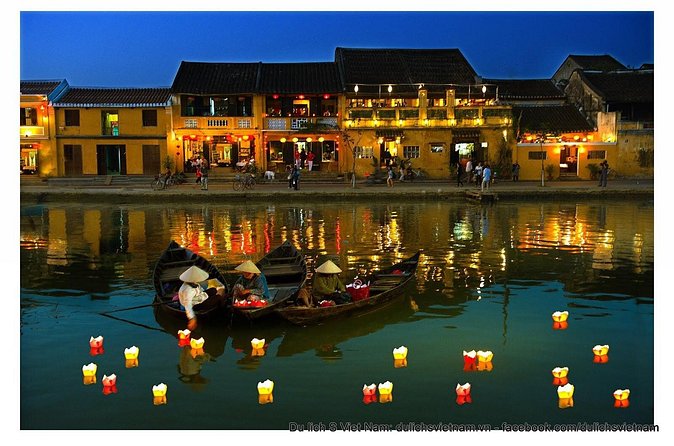
The Japanese Covered Bridge is Hoi An’s best-known landmark and an essential stop on a first visit. It gives the tour a clear visual anchor and offers a direct way to discuss the Japanese presence in the Old Town.
The bridge is famous, but that does not make it a throwaway photo stop. Its design helps you see how Hoi An’s past was shaped by contact between communities. I would listen for the guide’s explanation of the bridge rather than simply crossing, photographing, and moving on.
Because it is one of the town’s most recognized sights, it may be a busy point even during a morning walk. The early start improves your chances of a calmer visit, but it cannot guarantee an empty bridge. Keep your expectations sensible and allow the guide to position the landmark within the wider town.
Arts, crafts, and the living side of the Old Town
The route also includes an arts-and-crafts manufacturing visit. This is useful because it moves the experience beyond old walls and historic labels. Hoi An is not only a preserved district; it is also a place where craft traditions and local creative work remain part of the town’s identity.
The available information does not identify the exact craft site or explain whether demonstrations or shopping are involved. You should see it as a cultural stop, not automatically as a buying opportunity. Personal expenses are not included, so any purchase would be your responsibility.
I appreciate this part of the route in principle because it connects the past to the present. Just keep the commercial side in perspective. If you prefer a tour focused only on major monuments, this stop may feel less essential. If you want a broader sense of local culture, it adds welcome variety.
What the guide adds
A walking tour succeeds or fails on the quality of its explanations. Jun is the guide specifically named in the available information, and the experience is designed to cover both Hoi An’s history and wider aspects of Vietnamese life.
That broader approach is valuable. You will hear about buildings and cultural traditions, but you may also gain a more general sense of how the town fits into Vietnam. The strongest part of Jun’s role, based on the details provided, is her friendly presentation and her ability to connect Hoi An’s past with everyday life.
The tour is not advertised as private. With a maximum of 20 people, it should remain manageable, though a full group can still affect how easily everyone hears in a narrow lane or inside an old house. If you want a highly personal pace or long conversations at every stop, a smaller private walk may suit you better.
Is $41.03 a fair price?
At $41.03 per person, this is not the cheapest way to wander through Hoi An, but it offers more than a self-guided stroll. The price includes the guide, bottled water, all fees and taxes, and admission tickets. Those inclusions make the cost easier to judge because you are not adding several small entrance charges as you go.
The real value is the interpretation. Hoi An’s Old Town is easy to walk around on your own, but it is harder to understand why particular houses, halls, and bridges matter. If you are visiting for the first time and want a structured introduction, the fee is reasonable.
The value is weaker if you already know the Old Town well or prefer to stop whenever you like. You may be able to see the exterior of many sights without paying for a tour. The decision comes down to whether you want context, organization, and included admissions more than complete freedom.
Since personal expenses are excluded, bring your own budget for anything outside the tour. The supplied details do not state that food, shopping, or extra activities are covered.
Who should book this Hoi An walk?
I would choose this tour for a first visit, especially if you want a clear introduction before exploring alone. It suits anyone who enjoys architecture, cultural history, and a slower outing built around observation rather than speed.
The early start is a particularly good match for photographers, people sensitive to crowds, and visitors who want a peaceful morning. It also works well if you have only a short stay in Hoi An and want several major sights brought together in one outing.
Families and older visitors may find the three-hour-plus walking time worth considering. Most people can participate, but the details do not promise a fully accessible route or describe seating and rest breaks. Ask ahead if those points matter to you.
I would look elsewhere if you want a food tour, a lantern-making class, a night walk, or a private experience. None of those are part of the stated program. This is a focused Old Town history and culture walk.
Booking, weather, and cancellation
Confirmation is provided when you book, and the tour is typically reserved about eight days ahead. That timing suggests you should not leave it until the last minute if the morning schedule matters to you.
Free cancellation is available if you cancel at least 24 hours before the local start time. Cancellations made inside that window are not refunded, and late changes are not accepted.
The activity requires good weather. If poor weather causes cancellation, you will be offered another date or a full refund. That policy is practical for a walking tour, since rain could affect both comfort and the quality of time spent outdoors.
My recommendation
I would book this tour if you want Hoi An to make sense, not just look pretty. The combination of an early start, a named guide such as Jun, included admissions, and visits to the museum, ancient houses, Chinese assembly halls, Japanese Covered Bridge, and arts-and-crafts site gives you a solid first orientation.
The main caution is simple: you are paying for guided context, not transportation or a private pace. If that sounds right, $41.03 is a fair price for a three to three and a half hour introduction to Hoi An’s historic center. If you prefer to wander alone and set your own stops, save the money and explore at your own speed.
FAQ
Where does this walking tour take place?
The tour takes place in Hoi An, Vietnam, with the main focus on Hoi An Ancient Town.
How long does the experience last?
The approximate duration is three hours and 30 minutes. The itinerary also describes the main stop as lasting three hours, so you should plan for roughly three to three and a half hours.
What sights are included?
The route includes Hoi An Museum, ancient houses, Chinese-influenced assembly halls, the Japanese Covered Bridge, and an arts-and-crafts manufacturing site.
Is hotel pickup available?
Pickup is offered. The supplied details do not specify the pickup area, exact time, or any conditions, so confirm those points when booking.
What is included in the price?
The price includes all fees and taxes, bottled water, a guide, and admission tickets.
Are personal expenses included?
No. Personal expenses are not included in the tour price.
How many people can join the tour?
The maximum group size is 20 people.
Can I cancel for a full refund?
Yes. You can receive a full refund if you cancel at least 24 hours before the experience start time. Cancellations or changes made less than 24 hours before the start are not refunded or accepted.
Just added around Hoi An
- Da Nang to Hoi An Transfer: Convenient Airport and City Transport★ 3.5 · 3 reviews
- Hoian Old Town – Immersive Free Walking Tour★ 4.3 · 3 reviews
- Hoi An City Tour–Boat Ride–Release Flower Lantern on river★ 5.0 · 3 reviews
- Hoi An to Nha Trang by Private Car with Professional Driver★ 5.0 · 3 reviews
- Hoi An: Pottery Making Workshop With Local Craftsmen★ 5.0 · 3 reviews
- My Son Half Day Private Tour From Hoi An★ 4.5 · 3 reviews
- Hoi An/ Da Nang: Hue City Tour with HaiVan Pass★ 4.7 · 3 reviews
- Hoi An:Cycling,Traditional Farming & Fishing Life Experience★ 4.0 · 3 reviews
Hoi An Ancient Town Tours, compared.


The Lantern Lady: Traditional Lantern Class in Old Town
Read our review →
Hoi An Ancient Town – Walking Tour with Local Guide
Read our review →
Hoi An Night Market – Ancient Town street food tours by Night
Read our review →
Hoi An Ancient Town – Night Market Street Food Tours By Night
Read our review →

PRIVATE Hoi An Ancient Town – Night Market Street Food By Night
Read our review →
Hoi An Ancient Town Walking Street Food Tours with Night Market
Read our review →Browse the lists this tour appears in