
Reviewed · HOI AN ANCIENT TOWN TOURS
Discover Leather Workshops Experience in Old Town Hoi An
The best part of this Hoi An workshop is that you do not leave with another shop-bought souvenir. You make a leather item yourself, using professional tools, patterns, and materials in Anton’s quiet studio near the Old Town. The small garden out front helps put you in a slower mood before the hammering begins.
I like the personal guidance and the freedom to choose your project, leather, and color combination. I also like the setting: close enough to reach from central Hoi An, yet far from the noise of the historic streets. The main thing to watch is the time. A two-hour session works for smaller projects, while a wallet or bag may require the longer four-hour class.
In This Review
- Key points to know before booking
- A quiet craft stop close to Hoi An Old Town
- Choosing your leather project before the tools come out
- Cutting leather with a professional pattern
- The satisfying hammer work: punching holes
- Shaping, stitching, and putting the item together
- Why the two-hour format needs careful planning
- How the small group affects the class
- Who will get the most from this Hoi An experience
- Practical details for fitting it into your day
- Is the finished leather good worth bringing home?
- Should you book the Hoi An leather workshop?
- FAQ
- Where does the leather workshop take place?
- How long does the workshop last?
- How much does the experience cost?
- Who leads the workshop?
- What will I learn during the class?
- Can I choose what to make?
- How many people can join?
- What is the cancellation policy?
Key points to know before booking
- Quiet studio near Hoi An Old Town: You get a calm craft setting without going far from the center.
- Anton teaches each stage: Expect help with patterns, cutting, punching, shaping, and stitching.
- You choose the finished item: Projects are designed for different ages, skill levels, and styles.
- Professional leather and tools: The class uses the same type of materials and methods used in Anton’s own work.
- Two hours is a short session: Check the project length carefully, since wallets and bags can need four hours.
- Small groups help with questions: The maximum group size is 10 people, with individual attention during the work.
A quiet craft stop close to Hoi An Old Town
Hoi An is full of tailor shops, leather stores, cooking classes, and souvenir stalls. This workshop offers a different kind of keepsake. Instead of choosing a finished product from a shelf, you spend time making one with your own hands.
The studio is close to the Old Town, but the setting is described as peaceful, with a small garden at the front. That matters in Hoi An, where the central streets can feel crowded and noisy, especially at popular times of day. You can reach the activity without giving up a large part of your sightseeing schedule, then spend about two hours focused on one practical craft.
Anton is the guide and maker leading the session. He explains the work clearly, then gives you room to make choices and handle the tools. The class is not presented as a formal lecture. It is a working session, with instruction when you need it and practical help as your item takes shape.
I would expect the atmosphere to suit beginners especially well. You do not need previous leatherworking experience, and the projects are designed for different abilities, ages, and genders. Still, the work requires care. Cutting must be accurate, stitching takes patience, and a finished item comes from several separate steps rather than one quick activity.
More craft village workshops in Hoi An:
- Thanh Ha Village: Pottery Workshop with Locals
★ 4.4 · 223 reviews - Hoi An: Thanh Ha Village Tour with Pottery Making and Gift
★ 4.8 · 78 reviews - Hoi An: Handmade Leather Crafts Workshop (Starter Course)
★ 4.9 · 71 reviews
Choosing your leather project before the tools come out
You choose an item before you start, either from the available selection or from photographs Anton sends you. This is useful because you can think about the project before arriving instead of making a rushed decision at the workbench.
The range includes smaller leather goods and more involved items. The exact choices can vary, so you should look through the photos or project options carefully. If you want a simple, manageable souvenir, choose something suited to the two-hour format. If your main goal is a wallet or bag, allow more time.
Color selection is part of the fun. You can choose the leather and combine colors to make an item that feels personal rather than mass-produced. That choice also changes the character of the finished piece. A practical wallet in a quiet shade feels different from a brighter, more playful combination, even if the construction is similar.
The workshop works well for couples or friends because each person can make a different item. One person might choose a wallet while another selects a purse or a smaller accessory. You share the setting, but the finished goods do not need to match.
Cutting leather with a professional pattern
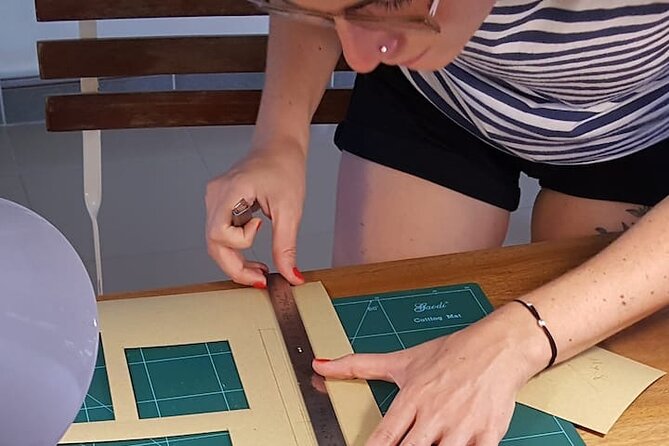
The first technical step is working with a professional pattern. This gives you a clear shape to follow and helps keep the final item consistent. For a beginner, that support is important. You are learning a real craft, but you are not expected to invent a usable design from scratch.
You then cut the leather accurately. This is one of the steps where careful work matters most. A rough cut can affect the fit of later pieces, so you should resist the urge to rush simply because the material looks easy to handle.
Anton’s role is especially useful here. He can show you how to follow the pattern and help correct your approach before a small mistake becomes a larger one. At the same time, the process leaves you with a genuine sense of ownership. The item is not merely assembled in front of you. Your decisions and handwork affect the result.
This is also where the workshop feels different from a quick souvenir-making activity. The goal is not just to decorate a blank object. You learn how the parts are prepared and why accurate cutting matters to a finished leather good.
The satisfying hammer work: punching holes
Punching the holes is one of the most physical parts of the class. You use a hammer and leatherworking tools to prepare the material for stitching. It is simple to understand, but the spacing and placement still need attention.
This stage tends to be rewarding because the work makes an audible, visible change. Each hole gives the leather a clearer shape and moves the project closer to completion. You also get a sense of the tools used in professional leatherwork rather than working only with soft craft materials.
You should follow Anton’s instructions closely here. The holes need to line up with the pieces that will later be stitched together. A little care at this stage makes the final seams look cleaner.
The hammering also gives the workshop a pleasant hands-on rhythm. It is more active than sitting through a demonstration, but it does not require special strength or advanced skill. If you enjoy practical tasks, this may be one of the most memorable parts of the session.
More Ancient Town walks in Hoi An:
- Hoi An Ancient Town Walking Tour with a Local
★ 5.0 · 517 reviews - The Lantern Lady: Traditional Lantern Class in Old Town
★ 4.9 · 444 reviews - Hoi An Ancient Town – Walking Tour with Local Guide
★ 4.9 · 385 reviews - Hoi An Night Market – Ancient Town street food tours by Night
★ 5.0 · 165 reviews
Shaping, stitching, and putting the item together
After cutting and punching, you shape the leather and begin stitching. These steps bring the project from separate pieces to a recognizable wallet, purse, or other chosen good.
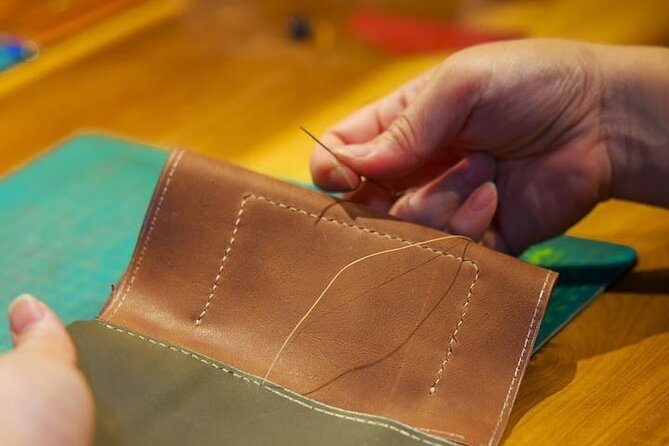
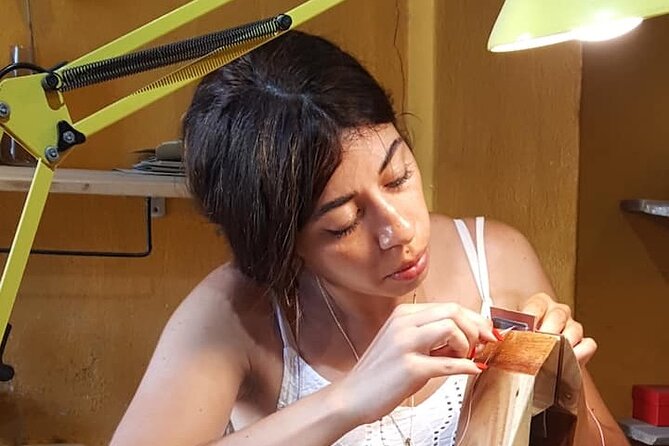
Stitching requires patience. You will need to work through the prepared holes and keep the line neat as the pieces come together. Anton provides individual help throughout the class, which is valuable when you reach a corner, a tight section, or a part of the pattern that feels less obvious.
The guide’s teaching style is hands-on without taking every decision away from you. You can ask for help, but you still do the work. That balance is important. If an instructor does everything, you leave with a nice object but less of a connection to the making process. Here, the aim is to let you create the item while stepping in when technique or accuracy needs attention.
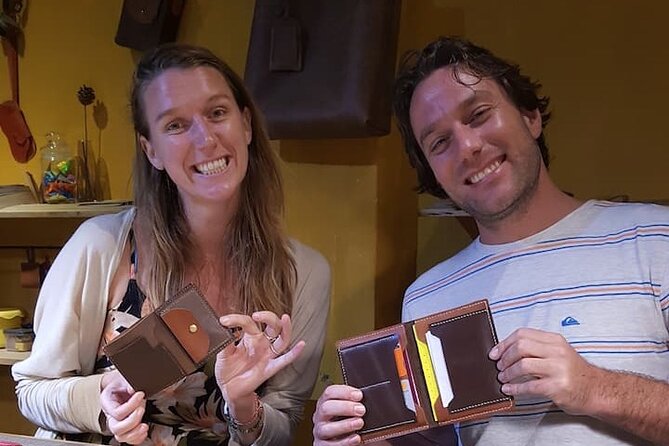
Once the construction is complete, the item is professionally finished and packed for you to take home or give as a gift. The final result may carry small signs of handwork, and that is part of its value. You have made something useful during your time in Hoi An, not just purchased something with the city’s name attached to it.
Why the two-hour format needs careful planning
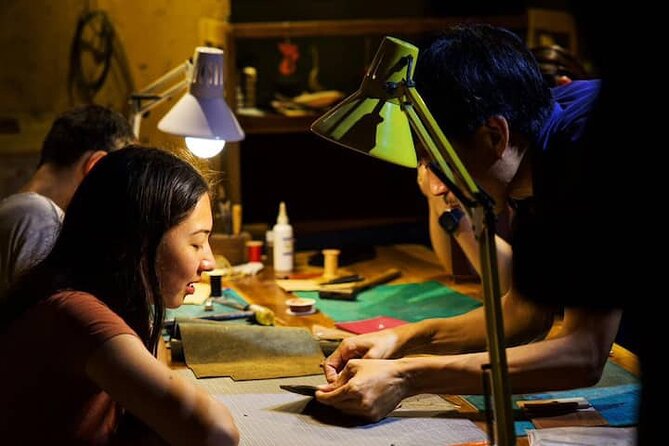
The advertised experience lasts about two hours and costs $37 per person. That price is reasonable if you want a guided craft activity, quality leather, personal instruction, and a finished item to take home. You are paying for more than time at a table. The cost includes the materials, the use of professional tools, the instruction, and the chance to make a product from its early stages.
Still, the value depends on your project. A small or straightforward item should fit the shorter session more comfortably. A wallet or bag involves more cutting, punching, shaping, and stitching. One piece of direct advice from the experience is to book the four-hour class if making a wallet or bag is your priority.
That distinction could affect your enjoyment. Rushing the final stitching would take away from the calm, careful character of the workshop. If you have only two hours available, choose a project that matches the time rather than selecting the most ambitious design and hoping to finish.
You should also remember that the two-hour duration is approximate. Craft work varies from person to person, especially when everyone chooses different items. The group can include beginners moving at different speeds, although Anton’s individual attention helps keep the session moving.
How the small group affects the class
The maximum group size is 10 people. That is not a private lesson, but it is small enough for the instructor to move around the room and check each project.
The available feedback suggests that Anton can support people working on different class lengths at the same time. That flexibility is useful if one person is doing a shorter project while others are taking on a longer one. You should still expect periods when Anton is helping someone else, especially if the room is full.
The teaching style is described as friendly, clear, patient, and supportive. Those qualities matter more here than a long speech about leather. You need short, useful instructions at the right moment, followed by enough freedom to try the task yourself.
For couples and friends, the class offers a shared activity without forcing you to make identical souvenirs. For families, the broad suitability of the projects may help, though the exact age fit depends on the chosen design and the child’s ability to follow tool instructions. The available information says most people can participate, but it does not provide a detailed age policy.
Who will get the most from this Hoi An experience
I would choose this workshop if you want a souvenir with a story attached to it. The finished object can remind you not only of Hoi An, but also of the morning or afternoon spent cutting, hammering, and stitching it.
It is a good fit for:
- People curious about leatherwork but new to the craft
- Hobbyists who enjoy making practical objects
- Couples who want a shared activity with separate finished goods
- Anyone tired of buying the same types of souvenirs
- Visitors who want a quiet break from Old Town sightseeing
- Shoppers looking for a handmade gift
You may want to skip it if you dislike detailed handwork, want a fast activity with no concentration, or have a very tight schedule. The class involves real making, and the final quality depends partly on the care you put into each step.
It is also not the best choice if you want to guarantee a large bag or detailed wallet within two hours. Pick the longer four-hour option if that is the item you most want to bring home, and confirm the class length when booking.
Practical details for fitting it into your day
The meeting point is in Hoi An, Quảng Nam, Vietnam, and the activity ends back there. Since the studio is near the Old Town, it can fit before or after time spent walking the historic center, though the exact distance and transfer arrangements are not specified.
A mobile ticket is provided, and confirmation arrives at booking. The group can hold up to 10 people, and most people can take part. You should plan to be ready to work rather than treating the class as a demonstration you can join casually halfway through.
The cancellation terms are friendly if your plans change early. You can cancel for a full refund up to 24 hours before the start time. Cancellations or changes made within 24 hours are not refunded or accepted, and the cut-off uses Hoi An local time.
The activity is supplied by DN Tour. Because the project choice affects the time needed, I would pay close attention to the selected session and item before confirming.
Is the finished leather good worth bringing home?
Yes, if you value the making process as much as the object. You are not simply buying a leather accessory in Hoi An. You are learning how its pieces are cut, prepared, joined, and finished.
The souvenir also has practical value. A wallet, purse, or other leather good can be used long after your trip, and the personal color choices make it less generic than a standard shop purchase. You can keep it or give it as a gift, with the added detail that you made it yourself.
Do keep expectations sensible. Handmade work may not look exactly like a factory-made product, especially if you are new to stitching. That is not a flaw in the experience, but it is worth knowing before you book. The workshop promises a professionally finished result while still giving you a hands-on role, not the precision of a fully industrial production line.
Should you book the Hoi An leather workshop?
Book it if you want a calm, practical activity near the Old Town and like the idea of taking home something made by your own hands. Anton’s patient instruction, broad project choice, professional tools, and color options give the class more substance than a simple craft demonstration.
At $37, the value is strongest when you choose a project that fits the session. For a two-hour visit, select a smaller or simpler item. For a wallet or bag, choose the four-hour class if available and confirm the timing before you pay.
I would recommend it to first-time leather workers, couples, creative hobbyists, and anyone seeking a personal Hoi An souvenir. Just do not book the short class expecting to finish a complex item without pressure. Give the craft enough time, and this can become one of the more useful keepsakes from your visit.
FAQ
Where does the leather workshop take place?
The workshop takes place in Hoi An, Quảng Nam, Vietnam, at a studio close to the Old Town. The studio is described as a quiet place with a small garden in front.
How long does the workshop last?
The experience lasts approximately two hours. A longer four-hour class is recommended for making a wallet or bag.
How much does the experience cost?
The listed price is $37 per person.
Who leads the workshop?
Anton leads the workshop and provides instruction and individual help throughout the project.
What will I learn during the class?
You will learn how to work with a professional pattern, cut leather accurately, punch holes, shape leather, and stitch the pieces together.
Can I choose what to make?
Yes. You can choose an item before starting, either from the available options or from photographs sent by Anton. You can also select the leather and color combination.
How many people can join?
The activity has a maximum group size of 10 people.
What is the cancellation policy?
You can cancel at least 24 hours before the start time for a full refund. Cancellations or changes made less than 24 hours before the start time are not refunded or accepted.
More Hands-On Workshops in Hoi An
- Hoi An: Vietnamese Coffee Culture and Coffee Making Class
★ 4.9 · 4,006 reviews - Hoi An: Vietnamese Foldable Lantern Making Class
★ 4.9 · 3,742 reviews - Cooking Class Hoi An:Local Market, Basket Boat, Fishing & Cooking
★ 5.0 · 3,660 reviews - Hoi An Cooking Class(Market,BasketBoat Crabfishing&Cooking Class)
★ 5.0 · 3,386 reviews
Just added around Hoi An
- Hoian Old Town – Immersive Free Walking Tour★ 4.3 · 3 reviews
- Da Nang to Hoi An Transfer: Convenient Airport and City Transport★ 3.5 · 3 reviews
- Hoi An City Tour–Boat Ride–Release Flower Lantern on river★ 5.0 · 3 reviews
- Hoi An to Nha Trang by Private Car with Professional Driver★ 5.0 · 3 reviews
- Hoi An: Pottery Making Workshop With Local Craftsmen★ 5.0 · 3 reviews
- Hoi An:Cycling,Traditional Farming & Fishing Life Experience★ 4.0 · 3 reviews
- My Son Half Day Private Tour From Hoi An★ 4.5 · 3 reviews
- Hoi An/ Da Nang: Hue City Tour with HaiVan Pass★ 4.7 · 3 reviews
Hoi An Ancient Town Tours, compared.

The Lantern Lady: Traditional Lantern Class in Old Town
Read our review →
Hoi An Ancient Town – Walking Tour with Local Guide
Read our review →
Hoi An Night Market – Ancient Town street food tours by Night
Read our review →
Hoi An Ancient Town – Night Market Street Food Tours By Night
Read our review →

PRIVATE Hoi An Ancient Town – Night Market Street Food By Night
Read our review →
Hoi An Ancient Town Walking Street Food Tours with Night Market
Read our review →Browse the lists this tour appears in