
Reviewed · HOI AN CRAFT VILLAGE WORKSHOPS
Discover Traditional Silk Process in Hoi An Silk Village
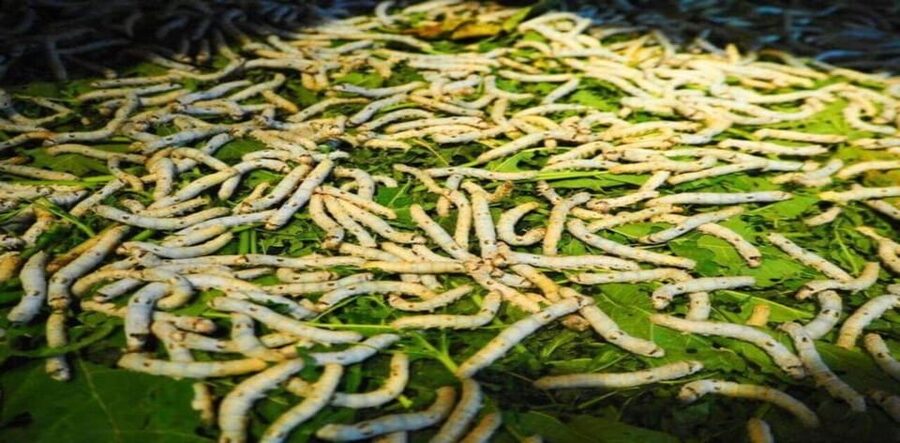
At Hoi An Silk Village, the silk story begins with a living worm, not a glossy shop display. You follow the process from mulberry leaf to silkworm cocoon, then watch workers unwind the cocoon into thread and weave it into cloth. It is a compact look at one of Central Vietnam’s oldest crafts.
I like two things here. First, the tour shows the work by hand, including the less comfortable fact that the traditional extraction method kills the silkworm inside the cocoon. Second, it connects silk making with Quang Nam, the Champa and Dai Viet eras, and the old mulberry-growing tradition. The main drawback is the short 50-minute duration, which leaves little time for lingering or careful shopping.
In This Review
- Key points to know before you go
- Why silk makes a good Hoi An side trip
- Starting at the Quang Nam traditional house
- Walking through the mulberry garden
- The Unraveling House and the difficult part of silk
- Watching silk become fabric
- Comparing pure silk with imitation fabric
- What the $11 price actually buys you
- Timing, meeting point, and group comfort
- Who will enjoy this silk tour most
- A practical way to fit it into your day
- Should you book the Hoi An Silk Village visit?
- FAQ
- How long does the Hoi An Silk Village tour last?
- How much does the experience cost?
- What is included in the price?
- Where do I meet the guide?
- Is hotel transportation included?
- What will I see during the visit?
- Is the tour suitable for wheelchair users?
Key points to know before you go
- The visit follows the whole silk chain: You see mulberry gardens, silkworm breeding, cocoon removal, thread making, weaving, and finished cloth.
- The strongest stop is the Unraveling House: This is where cocoons become silk thread, a simple process to watch but an important one to understand.
- English guiding is part of the experience: Guides including Thu and Tsu have led visitors through the process in clear English.
- The price is modest: At $11 per person, the tour offers a useful cultural stop for about an hour, with entrance, a guide, and bottled water included.
- Shopping comes at the end: You can compare pure and imitation silk and buy fabric, shirts, or other silk goods, though the print selection may feel limited.
- Plan for a small, active site: Comfortable shoes and clothing are sensible, and large bags are not allowed.
Why silk makes a good Hoi An side trip
Hoi An is famous for old streets, tailoring, lanterns, and food. Silk adds another layer to the town’s identity. This visit explains how clothing begins long before a tailor cuts fabric or a shop displays a finished shirt.
The village preserves handmade silk methods linked to the Champa and Dai Viet eras. That matters because silk production here is not presented as a modern factory shortcut. You see a sequence of tasks that depends on plants, insects, human hands, and patient work.
The site also holds valuable mulberry genetic sources. You do not need a background in agriculture to appreciate this. Mulberry trees feed the silkworms, so protecting old varieties helps protect the craft itself. The tour makes that connection clear through its garden and breeding areas.
I would treat this as a focused cultural stop rather than a full-day attraction. At 50 minutes, it fits neatly into a busy Hoi An schedule. You get a lesson with real demonstrations, not just a room filled with finished products.
More craft village workshops in Hoi An:
- Thanh Ha Village: Pottery Workshop with Locals
★ 4.4 · 223 reviews - Hoi An: Thanh Ha Village Tour with Pottery Making and Gift
★ 4.8 · 78 reviews - Hoi An: Handmade Leather Crafts Workshop (Starter Course)
★ 4.9 · 71 reviews
Starting at the Quang Nam traditional house
The visit begins with a welcome drink and a look at a traditional house from Quang Nam. Here you hear how sericulture, the raising of silkworms for silk, developed as a local craft.
This opening gives the rest of the tour a useful frame. Instead of seeing a cocoon as an isolated object, you learn that silk production depends on a chain of local skills. Mulberry cultivation supports silkworm breeding. Silkworms produce cocoons. Workers then process those cocoons into thread for weaving.
The house also helps place the craft in the wider culture of Central Vietnam. The focus is practical rather than academic. You learn how people worked with local plants, insects, and tools to make material for traditional garments and textiles.
If you have only a vague idea of how silk is made, pay attention here. The later demonstrations move quickly, and the opening explanation helps you understand what you are seeing.
Walking through the mulberry garden
The next stop is the old mulberry garden. Mulberry leaves are the food source for silkworms, so this modest garden is the foundation of the entire process.
I like this part because it strips away the mystery. Silk does not appear from a machine or a shop shelf. It starts with a plant that must be cultivated and maintained. The tour connects the garden to the breeding house, showing how closely farming and textile production are tied together.
You then see the silkworm-breeding house and learn how the worms are fed. The process may sound simple, but this is one of the points where the craft depends on steady care. The worms need their food, and the people raising them must monitor each stage before the cocoons are ready.
The breeding area is not a theatrical show. It is a working part of the process, and some people may find the insects less appealing than the finished silk. If you are comfortable with that, it adds a useful dose of reality to the visit.
The Unraveling House and the difficult part of silk
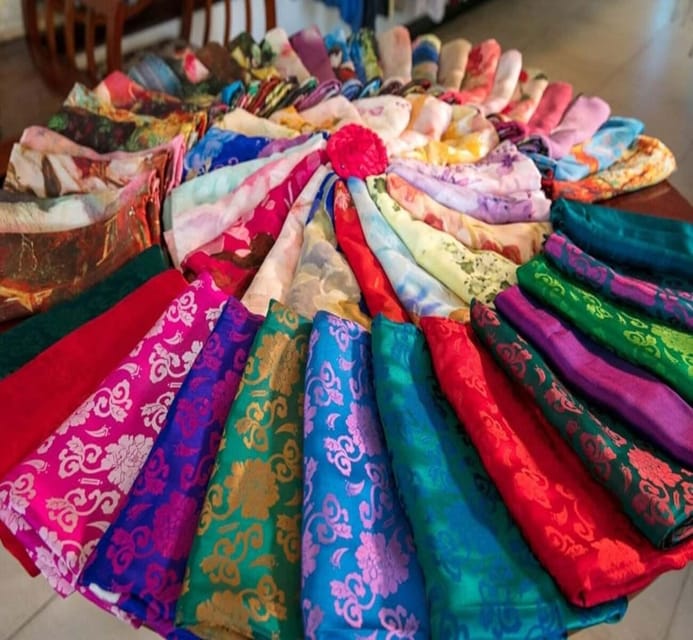
The Unraveling House is likely to be the most memorable stop. Here you see how silk thread is drawn from the cocoon so it can later be woven into fabric.
A cocoon consists of one long, fine filament. Workers loosen and combine these filaments to create a usable thread. Watching this happen makes the high price of good silk easier to understand. The material looks delicate, but producing it requires many careful steps.
You also learn an important ethical fact: in the traditional method shown here, the silkworm dies during extraction. That detail can change the way you look at a silk shirt or scarf. The tour does not hide the connection between the living insect and the finished cloth.
This stop works best when you take your time, even though the overall visit is short. Ask questions if the guide is available. Guides such as Thu and Tsu have been praised for clear explanations and patience, and the demonstrations are much more useful when you understand what each tool and motion is doing.
Same town, a completely different sort of day:
- Hoi An: Basket Boat Ride in the Coconut Forest
★ 4.9 · 4,956 reviews - Hoi An: Vietnamese Coffee Culture and Coffee Making Class
★ 4.9 · 4,006 reviews - Hoi An: Vietnamese Foldable Lantern Making Class
★ 4.9 · 3,742 reviews - Cooking Class Hoi An:Local Market, Basket Boat, Fishing & Cooking
★ 5.0 · 3,660 reviews
Watching silk become fabric
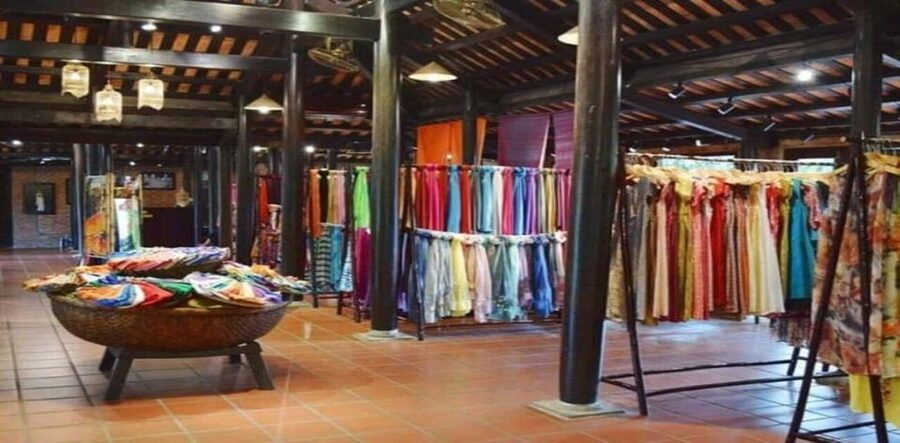
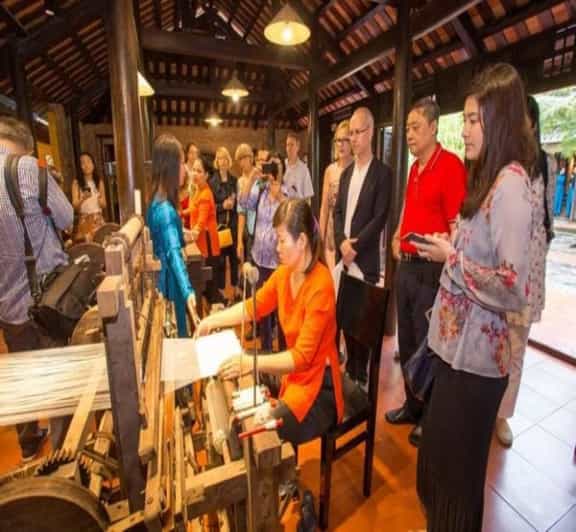
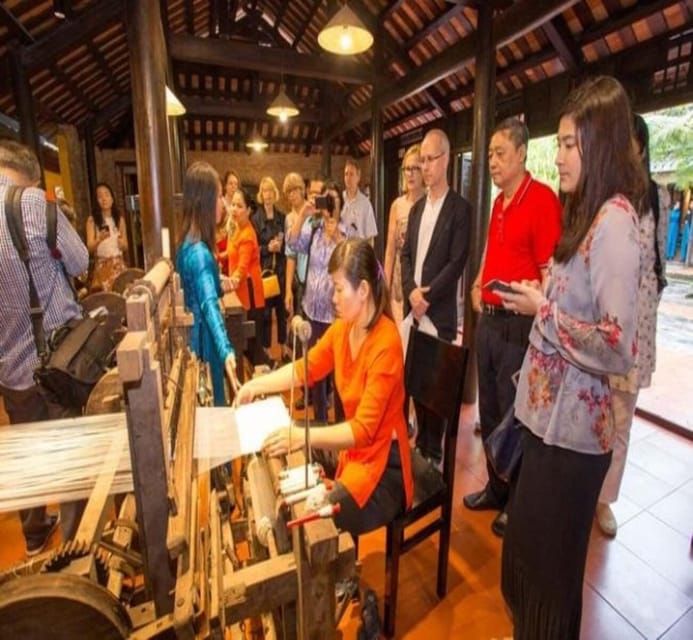
After the thread is prepared, the tour moves to the traditional silk weaving house. This is where separate strands become a patterned or plain textile.
You see workers weaving silk into fabric and learn how the method relates to older Champa traditions. The handwork gives you a better sense of the time behind the cloth. A finished piece can look smooth and effortless, but the loom demands repeated movement and close attention.
The weaving demonstration is one of the most visual parts of the visit. It gives you something concrete to watch after the more explanatory stops in the garden and breeding house. You can also see how traditional textiles differ from the modern printed goods found in many shops around Hoi An.
The site includes handicrafts associated with the Cham people. This makes the experience broader than a simple explanation of insect breeding. You are also looking at regional textile design and the ways communities have used silk for clothing and cultural expression.
Do not expect a long workshop where you make a garment yourself. The format is a guided demonstration, not a hands-on class. If you want to learn the basics and see the equipment in use, the time works well. If you want detailed instruction in weaving, you will need a longer craft course.
Comparing pure silk with imitation fabric
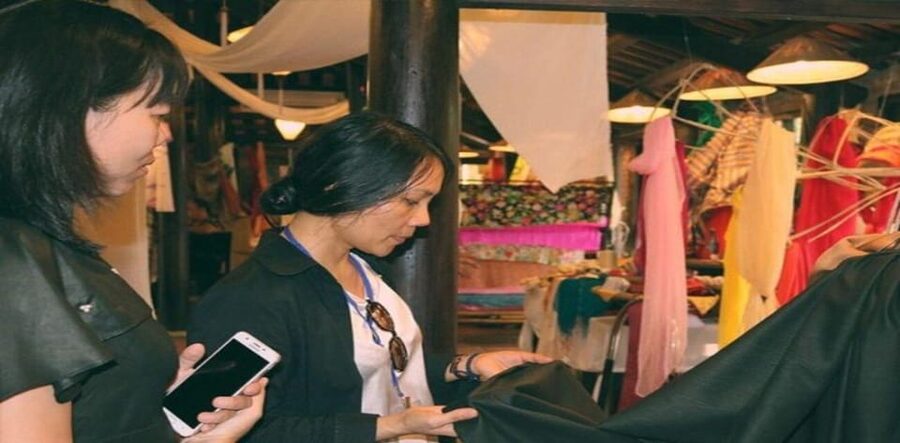
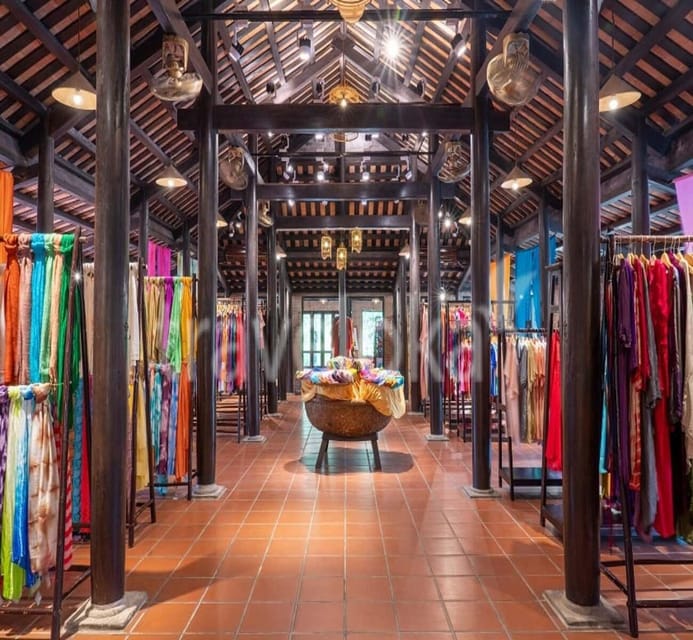
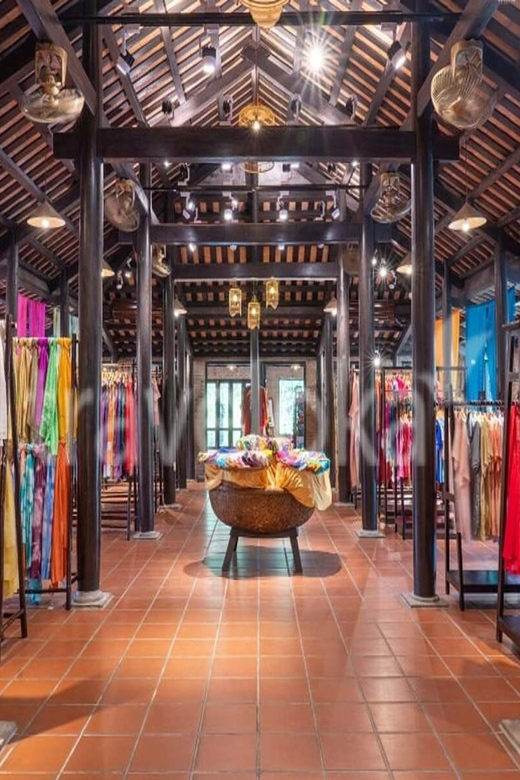
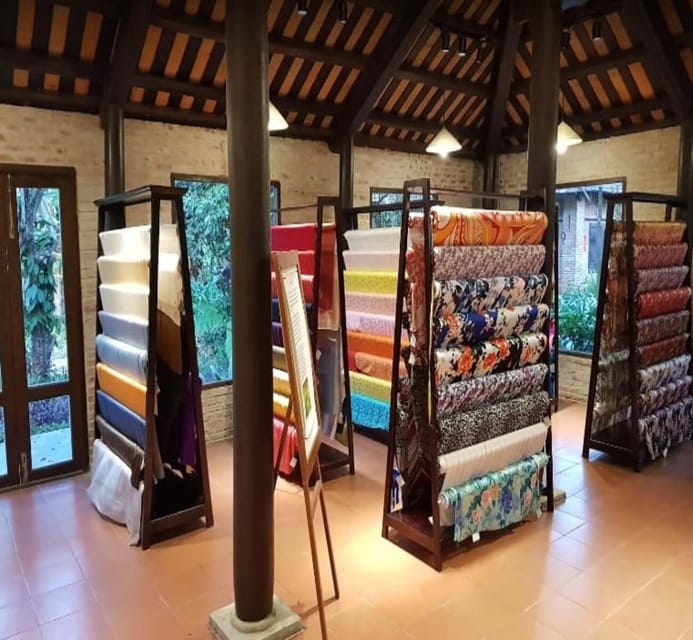
The final part takes place in the Hoi An Silk Village exhibition. Here you learn how pure silk differs from imitation material, then see a selection of silk products for sale.
This is useful if you plan to buy clothing or fabric in Hoi An. Silk shops can look similar at a glance, and a short explanation of texture, construction, and material can help you ask better questions. The tour gives you a starting point before you spend money.
The range of products includes silk clothing and other goods, with tailoring and shopping needs in mind. One visitor bought a silk shirt after initially planning not to shop, describing the quality as worth the price. That does not mean every item will suit every budget or taste, so inspect the fabric and decide for yourself.
The print selection may not appeal to everyone. The color combinations can feel busy, and the choice of prints may be narrower than expected. If you are buying gifts, allow yourself time to compare rather than assuming the first design is the best one.
The exhibition is a practical ending, but it does introduce a shopping element. That is normal for a craft village, yet you should know the distinction: the educational portion is the main reason to visit, while purchases are optional.
What the $11 price actually buys you
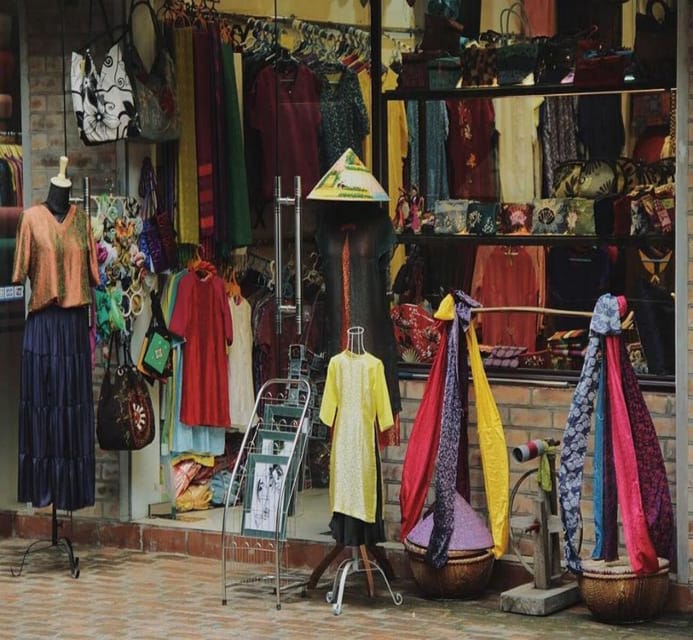
At $11 per person, this is a good-value short stop if you are curious about Vietnamese textiles. The price includes entrance, an English-speaking guide, and a bottle of water. You are paying for access to several working areas and a structured explanation, not simply admission to a shop.
The value comes from the number of stages covered in a small amount of time. In 50 minutes, you can see the plant that feeds the worms, the breeding area, the cocoon process, the thread, the loom, and the finished products. That is a useful overview for the cost of a casual meal or a small souvenir.
The short length is also the limit. You will not get an extended discussion of every regional silk style, nor will you have unlimited time to study fabrics. If you prefer slow museum visits or detailed craft instruction, this may feel rushed.
For most people, I would place it in the good-value category, especially if you already plan to visit Hoi An’s tailoring shops. The tour helps you understand what you are seeing before you buy.
Timing, meeting point, and group comfort
The meeting point is 28 Nguyen Tat Thanh in Hoi An, Quang Nam. At reception, give your name as confirmation of the booking. Hotel pickup and drop-off are not included, so you need to arrange your own way to the site.
The tour has scheduled starting times, and the 50-minute length makes it easy to pair with other plans. Still, allow a little flexibility. A group of schoolchildren once caused a delayed start, although staff kept people informed and apologized. The buildings can also feel tight when several groups arrive at once.
Small groups are an advantage here. The work areas are not large, and a group of five provides a better view than a crowd. If the English group is small, you might even receive a more personal explanation. One visitor ended up with a private tour because no other English speakers were present.
Wear comfortable shoes and comfortable clothes. You will be moving between different parts of the site, and practical clothing suits the setting better than anything formal. Large bags and luggage are not allowed, so leave bulky items elsewhere.
Who will enjoy this silk tour most
I would recommend it to anyone who wants a clear explanation of how silk is made. It suits first-time visitors to Hoi An, shoppers planning to buy clothing, families with older children, and anyone interested in farming, traditional crafts, or regional culture.
It is also a good choice when you have only an hour free. The tour is short, organized, and easy to fit between meals, old-town visits, or tailoring appointments.
You should think twice if you dislike seeing live insects or do not want to confront the fact that the traditional cocoon method kills the silkworm. The subject is part of the process, not an optional aside.
The site is not suitable for wheelchair users or people with mobility impairments. That is important to consider before booking, since the experience involves moving through multiple buildings and garden areas.
A practical way to fit it into your day
Book the silk visit when you have a clear hour rather than squeezing it between two fixed appointments. A delayed start is possible if the site becomes busy, and the final exhibition may tempt you to spend extra time looking at clothing and fabric.
I would visit before making a major silk purchase. The explanation of pure and imitation silk gives you useful context, even if you ultimately buy elsewhere. You can then compare fabric with a better understanding of what you are paying for.
If shopping is not your goal, you can still enjoy the visit. The garden, breeding house, cocoon work, and loom demonstrations carry the experience. The shop is the final stop, not the whole point.
Free cancellation up to 24 hours before the start gives you some planning room, and you can reserve now and pay later. Those terms help if your Hoi An schedule is still changing.
Should you book the Hoi An Silk Village visit?
Book it if you want an affordable, plainly explained look at a traditional Vietnamese craft. The best reasons are the complete process, the short duration, the English guide, and the chance to see real handwork rather than only finished souvenirs.
I would be especially keen to book before shopping for silk. You will learn enough to judge the material more carefully, and the weaving demonstrations give meaning to the shirt, scarf, or fabric you may take home.
Skip it if you need wheelchair access, dislike insect-based demonstrations, or want an all-day craft workshop. For everyone else, $11 buys a focused and worthwhile hour in Hoi An, with enough history and hands-on detail to make the town’s silk shops more understandable.
FAQ
How long does the Hoi An Silk Village tour last?
The tour lasts 50 minutes. Starting times vary, so check availability when booking.
How much does the experience cost?
The listed price is $11 per person.
What is included in the price?
An English-speaking guide, the entrance fee, and a bottle of water are included.
Where do I meet the guide?
Meet at 28 Nguyen Tat Thanh, Hoi An, Quang Nam, Vietnam. Give your name at reception to confirm the booking.
Is hotel transportation included?
No. Hotel pickup and drop-off are not included, so you need to make your own way to the meeting point.
What will I see during the visit?
You will see a mulberry garden, a silkworm-breeding house, cocoon unwinding, silk thread production, traditional weaving, Champa handicrafts, and an exhibition comparing pure and imitation silk.
Is the tour suitable for wheelchair users?
No. The experience is not suitable for wheelchair users or people with mobility impairments.
Just added around Hoi An
- Da Nang to Hoi An Transfer: Convenient Airport and City Transport★ 3.5 · 3 reviews
- Hoi An City Tour–Boat Ride–Release Flower Lantern on river★ 5.0 · 3 reviews
- Hoian Old Town – Immersive Free Walking Tour★ 4.3 · 3 reviews
- Hoi An to Nha Trang by Private Car with Professional Driver★ 5.0 · 3 reviews
- Hoi An: Pottery Making Workshop With Local Craftsmen★ 5.0 · 3 reviews
- Hoi An:Cycling,Traditional Farming & Fishing Life Experience★ 4.0 · 3 reviews
- My Son Half Day Private Tour From Hoi An★ 4.5 · 3 reviews
- Hoi An/ Da Nang: Hue City Tour with HaiVan Pass★ 4.7 · 3 reviews
Hoi An Craft Village Workshops, compared.
Thanh Ha Village Tour with Pottery Making and Gift
Read our review →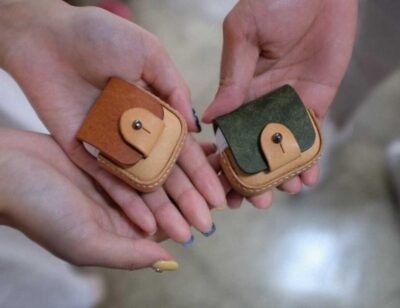
Handmade Leather Crafts Workshop (Starter Course)
Read our review →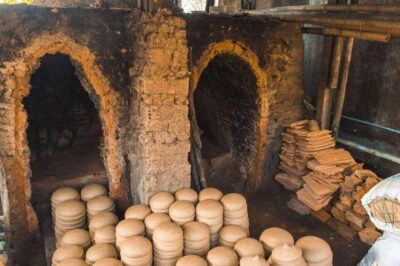
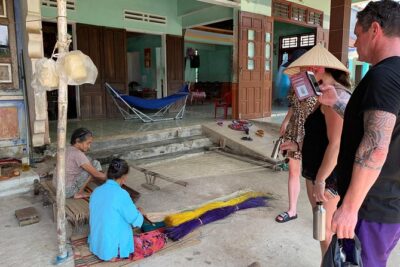
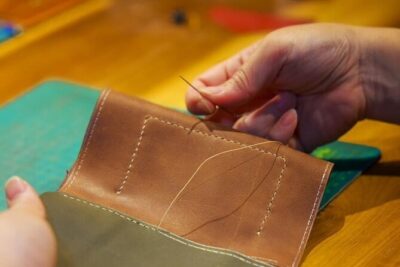
Discover Leather Workshops Experience in Old Town Hoi An
Read our review →
Hoi An Wood Carving: Create Your Art Wood with Master Artisan
Read our review →
Hoi An Ceramic/Pottery/Lantern Making Class Cafe & Basket Boat
Read our review →Browse the lists this tour appears in