
Reviewed · HOI AN ANCIENT TOWN TOURS
Experience Making Coffee with Tri Long in Hoi An old Town
Vietnamese coffee is not simply a strong drink in a small glass. At Tri Long Coffee, you learn why the phin filter creates such a slow, concentrated brew, then turn that coffee into egg, coconut, or salt coffee. I like the hands-on format and the lively explanations about roasting and coffee culture. The main caution is the course wording: clarify exactly how many drinks your $17 booking includes before you start.
I also like that the activity lasts only about 90 minutes and takes place in Hoi An’s old town, so it fits neatly between sightseeing stops. The staff add recipes and a certificate, but the small amount of customer feedback points to one real issue: the number of included coffee preparations may not be clear.
In This Review
- Key points to know before booking
- Starting on Phan Chu Trinh Street
- Understanding Vietnamese coffee culture
- Watching the beans and learning the roast
- Choosing between egg, coconut, and salt coffee
- Special egg coffee
- Coconut coffee
- Salt coffee
- The free phin filter lesson
- Making the drink yourself
- What the certificate adds
- Is $17 good value?
- Who will enjoy this Hoi An activity?
- Practical questions to settle before you go
- Should you book Tri Long Coffee?
- FAQ
- Where does the coffee experience begin?
- Where does the activity end?
- How long does the experience last?
- How much does the experience cost?
- What coffee choices are available?
- Is the Vietnamese phin filter lesson included?
- How many people can join?
- Can I cancel for a full refund?
Key points to know before booking
- Three signature coffee choices: Select from special egg coffee, coconut coffee, or salt coffee, depending on the arrangement of your course.
- Traditional phin brewing: The Vietnamese phin filter lesson is offered free alongside the selected course.
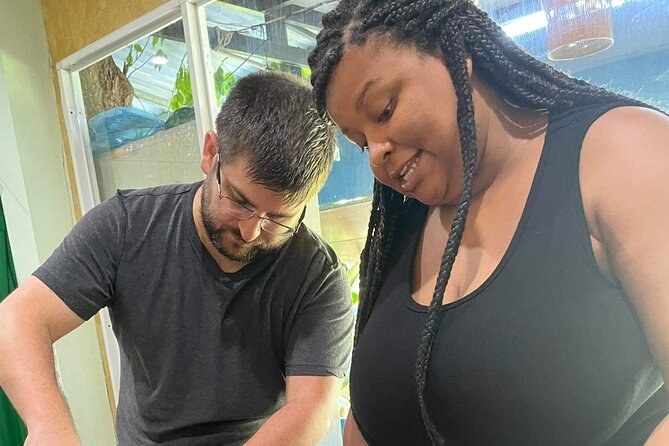
- Hands-on preparation: You do not simply watch a demonstration. You take part in making your drink.
- Coffee from bean to cup: The session covers Vietnamese coffee culture, roasting, brewing, and the role of coffee in local life.
- Small group setting: The maximum group size is 10 people, which should allow room for questions and personal instruction.
- Important booking check: One customer expected three coffees plus the free phin class but was told only two drinks were included, so confirm the exact package.
Starting on Phan Chu Trinh Street
The experience begins at Trí Long Coffee, 88 Đ. Phan Chu Trinh, in Hoi An’s Minh An ward. It ends at the same place, so you do not need to arrange transport between several parts of town.
That simple setup is useful in Hoi An. You can pair the class with a walk through the old town rather than setting aside half a day for a distant farm or factory visit. The published duration is about one hour and 30 minutes, long enough for explanation and preparation without taking over your day.
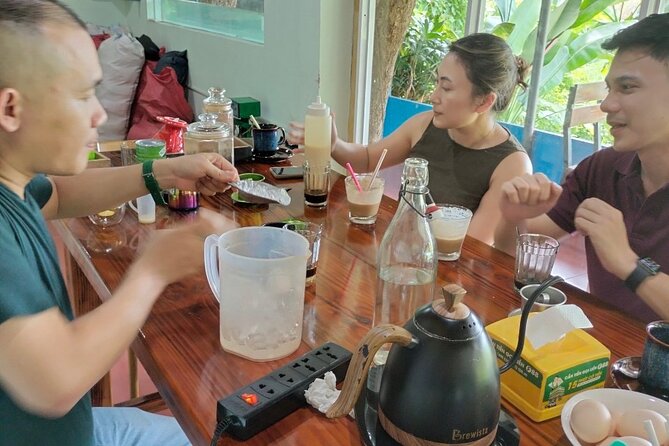
The group limit is 10 people. That is small enough to make a hands-on lesson practical, though the exact feel will depend on how many people book your time. If you want to ask about coffee equipment, milk, roasting, or recipes, a smaller class gives you a better chance to speak with the staff.
Bring your attention and a little patience. Vietnamese coffee is designed around a slow drip, not a hurried espresso-style routine. The pause while the phin works is part of the lesson, not a delay to be endured.
More Ancient Town walks in Hoi An:
- Hoi An Ancient Town Walking Tour with a Local
★ 5.0 · 517 reviews - The Lantern Lady: Traditional Lantern Class in Old Town
★ 4.9 · 444 reviews - Hoi An Ancient Town – Walking Tour with Local Guide
★ 4.9 · 385 reviews
Understanding Vietnamese coffee culture
The class opens with an introduction to Vietnamese coffee and its place in local café life. You learn about the drink often called cà phê sữa Sài Gòn, a strong filtered coffee combined with sweet milk.
The description also refers to fresh cow’s milk and a special blend. The exact blend is not specified, so you should think of this as a general introduction to the drink rather than a formal coffee tasting with detailed origin notes.
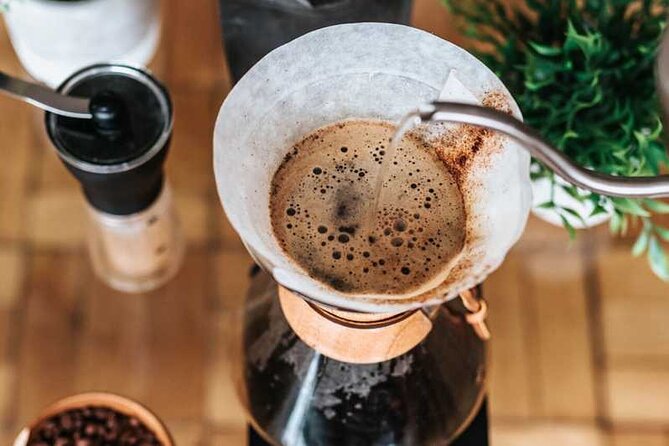
The useful part is the connection between method and flavor. A phin filter sits over the cup and lets hot water pass slowly through ground coffee. That produces a concentrated base that can handle sweet milk, coconut, egg cream, or salt without disappearing under the added flavors.
I like this kind of context because it helps you make sense of the drink after the class. Vietnamese coffee can seem unusually intense if you expect a mild drip coffee. Once you understand the slow filter and the sweet additions, the cup feels less like a novelty and more like a deliberate style.
The staff also discuss the coffee industry and the roasting process. One piece of feedback describes the explanations as especially detailed and says the team covered the wider industry well. That suggests the session is not limited to mixing ingredients in a glass.
Watching the beans and learning the roast
The roasting section gives the class a broader shape. Instead of beginning with a finished product, you get an introduction to what happens before brewing.
The available information does not specify whether you roast beans yourself or watch a demonstration, so do not book this expecting a full roasting workshop. The clear promise is instruction about the roasting process, along with an explanation of how coffee becomes ready for the phin.
This matters because roast affects the character of the drink. A heavily roasted coffee can provide the bold flavor associated with Vietnamese café drinks, while the brewing method and additions change the final balance. Even a short explanation can make the later tasting more useful.
The class is aimed at coffee lovers, but you do not need advanced coffee skills. The format is built around clear explanations and guided preparation. A coffee drinker who normally orders by habit will get more out of the session by asking why each ingredient is used.
The lively approach is another plus. The team promises humor and entertainment as part of the instruction, which should help keep the technical parts from becoming dry. The available comments also describe clear explanations and effective demonstrations.
Choosing between egg, coconut, and salt coffee
Tri Long Coffee offers three main course choices: special egg coffee, coconut coffee, and salt coffee. The drinks are different enough that your choice changes the character of the session.
A few more Hoi An half-days to weigh up
- Hoi An: Vietnamese Coffee Culture and Coffee Making Class
★ 4.9 · 4,006 reviews - Early Morning My Son Sanctuary Trip w. Champa Food & Coffee
★ 5.0 · 629 reviews - Vietnamese Culture and Coffee Making Class
★ 5.0 · 497 reviews - Hoi An: My Son Early Morning with Banh My and Coffee 6 am
★ 4.7 · 205 reviews
Special egg coffee
Egg coffee is the most unusual option for many first-time visitors. It combines coffee with a sweet, silky custard made with egg. The result is aromatic and creamy rather than simply milky.
The appeal is contrast. The strong coffee underneath cuts through the sweetness of the custard, while the thick topping gives the drink a dessert-like feel. If you enjoy rich sweets, this is probably the most natural choice.
The drawback is that it may feel heavy if you prefer clean, unsweetened coffee. The description does not provide exact quantities or ingredients beyond the custard, so anyone with food sensitivities should ask the staff before preparing or drinking it.
Coconut coffee
Coconut coffee is described as refreshing and delicious, with a flavor that suits people who like coconut. It is a good pick if you want something cooler and lighter in mood than egg coffee, though the exact serving style is not stated.
One comment specifically describes the coconut drink as delicious and refreshing. That makes it a sensible choice for someone who already knows they enjoy coconut flavor and wants a drink with a tropical edge.
You should not assume the class includes a large range of coconut ingredients or a full recipe workshop. You learn to make the selected drink, and recipes are provided to take home, but the available details do not list the full contents or serving size.
Salt coffee
Salt coffee has the most intriguing name of the three. The small amount of salt is meant to change the balance of the drink, not turn it into a savory soup.
This is a good choice if you enjoy trying local variations and want something less expected than a sweet cream topping. One customer specifically made salt coffee and coconut coffee and praised the explanations and demonstrations.
The best way to approach it is with curiosity. Salt can sharpen sweetness and soften bitterness, but the final taste depends on the recipe and proportions used in your session. You get the chance to prepare it yourself, which makes the flavor easier to understand.
The free phin filter lesson
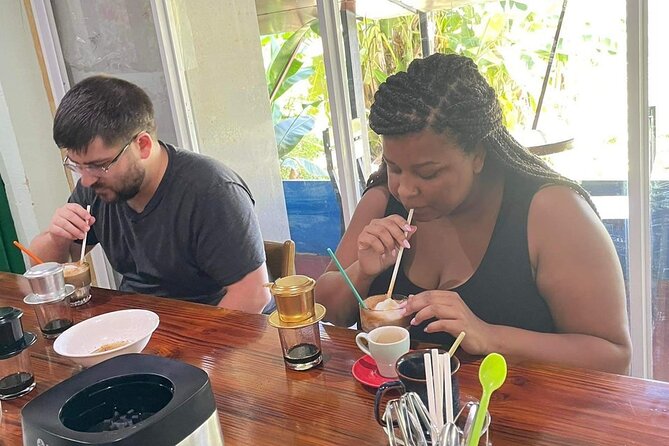
The Vietnamese phin filter course is presented as a free addition. This is one of the most useful parts of the experience because the phin is the basic tool behind many Vietnamese coffee drinks.
You learn how to brew coffee through the metal filter, then see how that concentrated coffee forms the base for other preparations. The lesson gives you a practical skill you can repeat at home if you buy a phin later.
The wording around the free course needs care. One customer understood the offer to mean three coffees plus an additional phin course, then was told at the venue that only two coffees were included. That is a serious difference in value, especially when the drink count is a main reason for booking.
Before paying, ask one direct question: How many total drinks will I make, and is the phin coffee included in that number or added to it? Get the answer in writing if possible. This is the single most important practical tip for booking.
Making the drink yourself
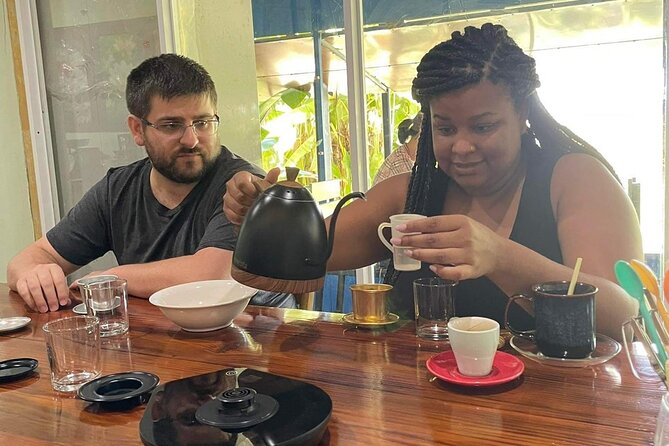
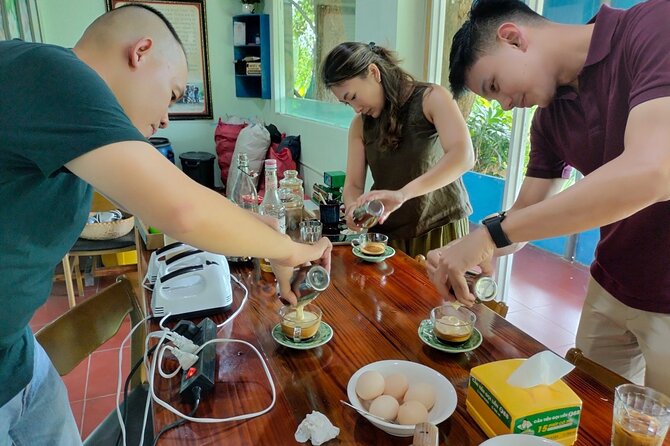
The hands-on section is where the activity earns its place over simply ordering coffee at a café. You take part in the preparation, follow the demonstration, and build your own selected drink.
The staff explain the process and show you what to do. You should expect guidance rather than complete freedom to invent a recipe. That is appropriate for a 90-minute class, since the goal is to learn a recognizable Vietnamese preparation.
The value comes from small details. You see how the coffee is filtered, how the milk or topping is added, and how the final drink is assembled. A demonstration alone can be easy to forget. Taking part gives you a better chance of remembering the steps.
The available feedback highlights this point: the staff explain the process clearly and demonstrate it well, then let you move on to the product itself. That combination of instruction and practice is the strongest part of the experience.
You may want to take notes, especially if you choose egg or salt coffee. The class provides recipes to take home, so you do not have to rely on memory. Those recipes help turn a pleasant holiday activity into something you can repeat.
What the certificate adds
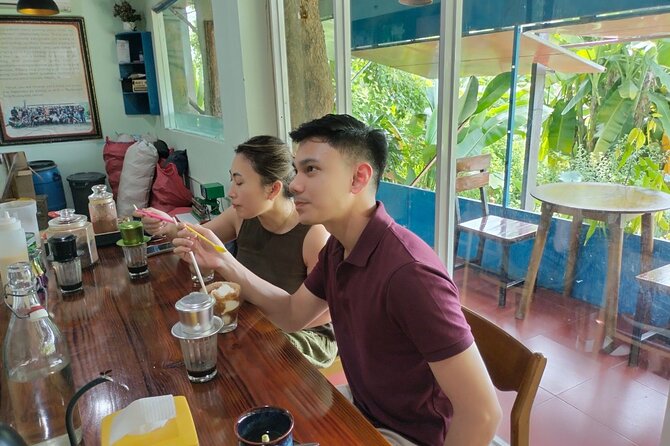
At the end, you receive a certificate and the recipes. The certificate is a lighthearted souvenir rather than a professional qualification, but it can be fun if you enjoy collecting small reminders of trips.
The recipes are more useful. They give you a way to recreate the drink after leaving Hoi An, though the available information does not say how detailed they are or whether they include brand-specific ingredients.
I would value the recipe more than the certificate. A certificate adds a little ceremony, while a workable recipe extends the experience beyond the café. If you are taking the class with children, friends, or family, the certificate can also make the activity feel like a finished event.
Is $17 good value?
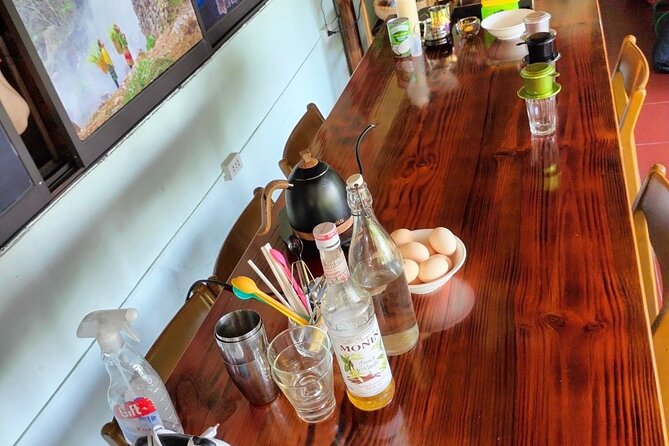
At $17 per person, this is not the cheapest way to drink coffee in Hoi An. You can order a Vietnamese coffee for much less at many cafés. The price needs to be judged as a short workshop, not as a beverage purchase.
You are paying for roughly 90 minutes of instruction, a guided preparation, coffee culture and roasting information, a phin filter lesson, recipes, and a certificate. The maximum group size of 10 also gives the activity a more personal format than a large demonstration.
The value is strongest if you want to learn how the drinks work. If you only want to taste egg, coconut, and salt coffee, ordering them separately may be simpler and cheaper.
The unclear drink count weakens the value. The experience advertises three signature choices and a free phin course, but one customer was told only two coffees were included. You should confirm the precise number before booking, because the difference between two and three preparations changes the price per drink.
The booking is refundable if canceled at least 24 hours in advance. Confirmation is provided when you book, and the mobile ticket makes it easy to keep the reservation on your phone.
Who will enjoy this Hoi An activity?
I would recommend this experience to anyone who wants more context with a local drink. It suits coffee fans, people curious about Vietnamese café customs, and visitors who like short classes that fit around sightseeing.
It is also a good option for a mixed group. The lively teaching style and simple hands-on format mean the non-coffee expert in your party can still take part. The egg, coconut, and salt options give you different flavor paths rather than one fixed cup.
Families and small groups may like the certificate and recipes, though the activity data does not specify a minimum age or child pricing. Ask before booking if those details matter to your group.
I would be more cautious if you want a serious barista qualification, a farm visit, or a long roasting session. The course is a compact cultural and cooking-style activity. It introduces ideas and lets you prepare drinks, but the available details do not promise advanced technical training.
Practical questions to settle before you go
The meeting point is Trí Long Coffee at 88 Đ. Phan Chu Trinh, Hoi An. Since the activity returns there, you can plan it as one fixed stop in the old town.
The experience is listed at about one hour and 30 minutes. Allow a little flexibility around that if you have a tightly timed dinner or ticketed activity afterward.
The class accepts a maximum of 10 people. Confirmation arrives at booking, and you can use a mobile ticket. No transport is included or needed between stops because the class begins and ends at the same café.
Most important, confirm what your selected course includes. Ask about the number of drinks, the free phin preparation, and which of the three options you will make. This avoids the confusion that caused one customer to feel the experience was misleading.
Should you book Tri Long Coffee?
Book it if you want to understand Vietnamese coffee rather than simply drink it. The best features are the clear demonstrations, the chance to prepare your own cup, the phin filter lesson, and the choice between egg, coconut, and salt coffee.
At $17, the activity makes sense for a curious coffee drinker who values instruction and a small-group setting. It makes less sense if you are counting on three signature drinks or are mainly looking for the lowest-cost tasting.
My advice is simple: confirm the exact drink allowance before booking. If the package gives you two prepared coffees plus the phin lesson, and that matches your expectations, this is a pleasant, practical addition to a Hoi An old-town day. If you expect three signature drinks as well as an extra phin coffee, get that promise clarified first.
FAQ
Where does the coffee experience begin?
It begins at Trí Long Coffee, 88 Đ. Phan Chu Trinh, Phường Minh An, Hội An, Quảng Nam, Vietnam.
Where does the activity end?
The activity ends back at the meeting point, Trí Long Coffee.
How long does the experience last?
It lasts approximately one hour and 30 minutes.
How much does the experience cost?
The listed price is $17 per person.
What coffee choices are available?
The available course choices are special egg coffee, coconut coffee, and salt coffee.
Is the Vietnamese phin filter lesson included?
The Vietnamese phin filter coffee course is offered free alongside the selected course. Because the drink allowance has caused confusion, confirm how the free course is counted when you book.
How many people can join?
The activity has a maximum of 10 participants.
Can I cancel for a full refund?
Yes. You can cancel up to 24 hours before the experience for a full refund.
Just added around Hoi An
- Hoi An City Tour–Boat Ride–Release Flower Lantern on river★ 5.0 · 3 reviews
- Hoian Old Town – Immersive Free Walking Tour★ 4.3 · 3 reviews
- Da Nang to Hoi An Transfer: Convenient Airport and City Transport★ 3.5 · 3 reviews
- Hoi An to Nha Trang by Private Car with Professional Driver★ 5.0 · 3 reviews
- Hoi An: Pottery Making Workshop With Local Craftsmen★ 5.0 · 3 reviews
- Hoi An:Cycling,Traditional Farming & Fishing Life Experience★ 4.0 · 3 reviews
- My Son Half Day Private Tour From Hoi An★ 4.5 · 3 reviews
- Hoi An/ Da Nang: Hue City Tour with HaiVan Pass★ 4.7 · 3 reviews
Hoi An Ancient Town Tours, compared.
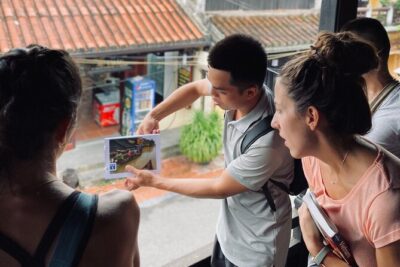
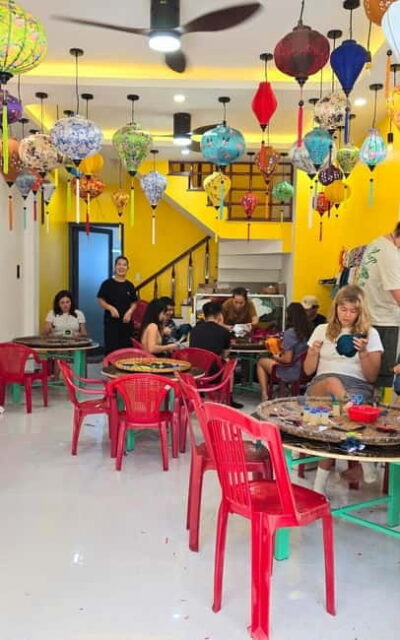
The Lantern Lady: Traditional Lantern Class in Old Town
Read our review →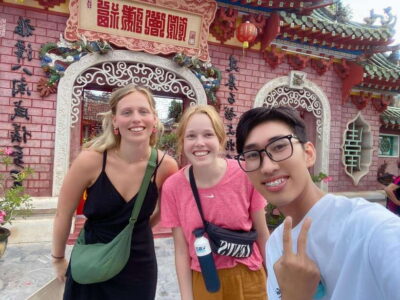
Hoi An Ancient Town – Walking Tour with Local Guide
Read our review →
Hoi An Night Market – Ancient Town street food tours by Night
Read our review →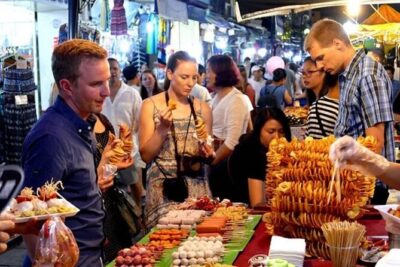
Hoi An Ancient Town – Night Market Street Food Tours By Night
Read our review →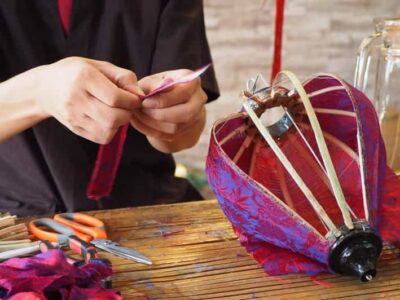
PRIVATE Hoi An Ancient Town – Night Market Street Food By Night
Read our review →
Hoi An Ancient Town Walking Street Food Tours with Night Market
Read our review →Browse the lists this tour appears in